


What Is a Cricket Egg?
If you’ve ever wondered how crickets reproduce or how their life begins, it all starts with the cricket egg. These tiny, oval-shaped capsules are the foundation of a cricket’s life cycle, holding the potential for hundreds of new chirping insects. Whether you’re a pet owner, reptile breeder, or simply curious about nature, understanding cricket eggs can help you better care for or control these fascinating creatures.
In this article, we’ll explore how cricket eggs look, where they’re laid, how long they take to hatch, and how they survive in various environments.
What Do Cricket Eggs Look Like?
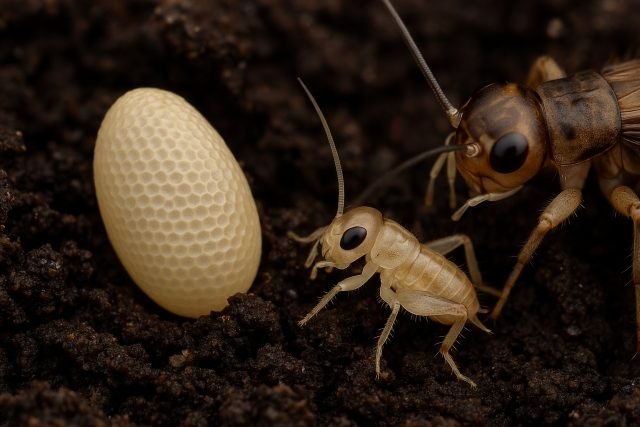
Cricket egg is small, cylindrical, and slightly curved, resembling a grain of rice. Typically:
- Color: Pale white to light yellow or translucent
- Size: About 2–3 mm long
- Shape: Slightly elongated with rounded ends
- Texture: Smooth and soft when freshly laid
Female crickets deposit eggs in moist soil or substrate, using their ovipositor — a thin, needle-like tube at the end of their abdomen. This helps bury the eggs deep enough to keep them safe from predators and environmental stress.
Pro Tip: If you’re breeding crickets, use a damp sand or peat moss substrate about 1 inch deep — ideal for egg laying and incubation.
Where Do Crickets Lay Their Eggs?
Female crickets prefer warm, humid environments to lay eggs. In nature, they choose loose soil, decaying plant matter, or compost piles. In captivity (such as cricket farms or reptile feeders), breeders often provide egg-laying containers filled with moist sand or coconut fiber.
Common Egg-Laying Environments:
| Environment | Description | Survival Rate |
|---|---|---|
| Natural soil | Shaded, moist ground | Moderate |
| Compost or leaf litter | Nutrient-rich and warm | High |
| Indoor containers | Controlled temperature and humidity | Very high |
The Cricket Reproduction Process
The process starts when a male cricket chirps to attract a female. Once mating occurs, the female stores the sperm and begins laying eggs — up to 100 eggs at a time. Over her lifetime, one female can lay up to 1,000 eggs depending on the species and environmental conditions.
Steps in the Cricket Egg-Laying Process:
- Male attracts female with chirping (mating call).
- Mating occurs, transferring sperm.
- Female inserts ovipositor into soil.
- Eggs are deposited in small clusters.
- Incubation begins immediately.
How Long Does It Take for Cricket Eggs to Hatch?
The hatching time of cricket eggs depends largely on temperature and humidity.
| Temperature | Humidity | Hatching Time |
|---|---|---|
| 85°F (29°C) | 90% | 7–10 days |
| 75°F (24°C) | 70% | 14–20 days |
| Below 70°F (21°C) | <60% | May not hatch |
Under optimal conditions, the cricket nymphs emerge in about 10 days. These nymphs look like miniature adults but without wings, gradually molting several times before reaching maturity.
Tip for Breeders: Keep your incubation container warm (80–90°F) and slightly damp for consistent hatching.
How Do Cricket Eggs Survive in the Wild?
Cricket eggs have evolved to withstand moderate environmental stress. The outer shell, though delicate, helps retain moisture and protects against mild temperature fluctuations.
Key Survival Factors:
- Moisture: Prevents eggs from drying out
- Burial Depth: Protects from predators and sunlight
- Temperature: Warmer environments speed development
- Predator Avoidance: Hidden in soil or under debris
In colder climates, some cricket species enter diapause — a suspended development stage that allows the eggs to survive through winter and hatch in spring.
Cricket Egg Identification: How to Tell Them Apart
If you’re trying to identify cricket eggs in your garden or terrarium, here’s how to distinguish them from other insect eggs:
| Feature | Cricket Eggs | Termite Eggs | Ant Eggs |
|---|---|---|---|
| Shape | Cylindrical | Oval | Elongated |
| Color | White/cream | Pearly white | Translucent |
| Size | 2–3 mm | <1 mm | 0.5 mm |
| Location | In soil | In wood tunnels | In colonies |
Note: Cricket eggs are often laid in clusters, but you might only notice small patches of them on the surface of moist soil.
Common Questions About Cricket Eggs
1. Can you see cricket eggs with the naked eye?
Yes, cricket eggs are visible to the naked eye. They look like small white grains of rice embedded in moist soil.
2. How do you know if cricket eggs are fertile?
Fertile eggs turn slightly darker or opaque as they mature, while infertile ones remain translucent and eventually decompose.
3. Can cricket eggs survive without moisture?
No. Dry conditions will quickly kill cricket eggs before they hatch.
4. How to collect and hatch cricket eggs at home?
Use a moist substrate, remove it after 3–5 days of laying, and store it in a separate warm container. Within 1–2 weeks, tiny nymphs will start emerging.
Breeding Tips: How to Care for Cricket Eggs
- Maintain 80–90°F temperature and high humidity (85–95%).
- Avoid overwatering — too much moisture can drown eggs.
- Use shallow containers for easy observation.
- Transfer eggs gently to avoid breaking them.
- Once hatched, feed nymphs crushed grains or cricket feed.
Interesting Facts About Cricket Eggs
- Female crickets can lay eggs for several weeks after a single mating.
- Some cricket species produce eggs that survive freezing temperatures.
- A group of 500 cricket eggs can yield up to 5 pounds of live feed for reptiles over a breeding cycle.
- Crickets’ egg-laying activity often increases after rainfall or artificial misting.
Conclusion: The Remarkable Life Within a Cricket Egg
From their rice-like appearance to their delicate incubation process, cricket eggs are an incredible example of insect resilience. Understanding how these eggs look, hatch, and survive gives insight into one of nature’s most efficient life cycles — and for breeders, it’s the key to maintaining a healthy cricket colony.
Whether you’re studying entomology, managing pests, or breeding feeders, caring for cricket eggs correctly ensures better survival and growth.














Leave a comment