

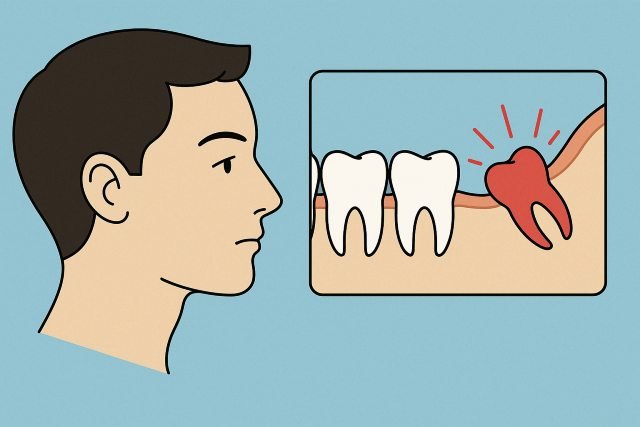

Why Do We Have Wisdom Teeth?
If you’ve ever wondered “why do we have wisdom teeth?” you’re not alone. These late-erupting molars are notorious for causing pain, crowding, infections, and expensive dental extractions. Yet thousands of years ago, wisdom teeth actually served a useful purpose.
In this article, we’ll explore the evolutionary reason behind wisdom teeth, why they often cause problems today, symptoms to watch out for, and what modern dentistry recommends.
What Are Wisdom Teeth?
Wisdom teeth — also called third molars — are the last set of teeth to erupt, usually appearing between ages 17 and 25. In the past, this was the age when people were considered “wiser,” which is where the name comes from.
Quick Facts:
- Humans typically have four wisdom teeth.
- Up to 35% of people are born without one or more third molars (a result of evolutionary change).
- They are positioned at the very back of the mouth, behind the second molars.
Why Do We Have Wisdom Teeth? The Evolutionary Purpose
1. Early humans needed extra chewing power
Anthropologists believe wisdom teeth evolved to help our ancestors chew tough, fibrous foods, such as:
- Roots
- Leaves
- Raw meat
- Nuts and seeds
Before fire, softer diets, and cooking, this extra set of molars provided a survival advantage.
2. Jaw sizes used to be larger
Early humans had wider jaws that comfortably held 32 teeth without crowding.
Over time, as our diets changed and cooking softened food, our jaw structure evolved:
- Jaws became smaller
- Wisdom teeth became less necessary
- But the genetic blueprint for extra molars stayed
3. Tooth wear and loss made them useful
Before modern dentistry, people commonly lost teeth at young ages.
Wisdom teeth were essentially nature’s ‘backup plan’, erupting later in life to replace missing molars.
Why Do Wisdom Teeth Cause Problems Today?
Modern humans still grow third molars, but our mouths no longer have space for them. This mismatch leads to multiple complications.
1. Smaller jaws = no room to erupt
Most wisdom tooth problems stem from impaction, meaning the teeth have no space to emerge properly.
Types of impaction:
| Type | Description |
|---|---|
| Mesial impaction | Tooth angled forward into the second molar |
| Distal impaction | Tooth angled backward |
| Vertical impaction | Tooth upright but stuck below the gums |
| Horizontal impaction | Tooth lies sideways and pushes into the jawbone |
2. Modern diets reduce need
Soft, cooked foods cause less natural tooth wear, meaning our back molars stay intact longer—and wisdom teeth become unnecessary extras.
3. Genetic inconsistency
Jaw size has shrunk faster than tooth count has evolved.
This creates a biological “mismatch,” often resulting in dental issues.
Common Problems Caused by Wisdom Teeth
1. Pain and Swelling
A partially erupted tooth can trap bacteria under the gums, causing inflammation.
2. Crowding and Tooth Shifting
Wisdom teeth may push other teeth forward, disrupting orthodontic results.
3. Pericoronitis
A common gum infection that occurs when wisdom teeth partially erupt.
4. Cysts and Tumors
Impacted teeth can develop fluid-filled sacs that damage surrounding bone.
5. Cavities
Wisdom teeth are hard to clean, increasing the risk of decay.
6. Sinus Pain and Pressure
Upper wisdom teeth roots may affect the sinuses when impacted.
Signs Your Wisdom Teeth May Be Causing Problems
- Persistent jaw or gum pain
- Swollen or bleeding gums
- Difficulty opening your mouth
- Bad breath or bad taste
- Headaches or earaches
- Crowding of front teeth
- Redness or infection around back molars
If you experience more than one of these symptoms, schedule a dental checkup.
When Should Wisdom Teeth Be Removed?
Dentists typically recommend removal when:
- Teeth are impacted
- Pain, swelling, or infection is present
- There is not enough room in the jaw
- They threaten orthodontic treatment
- A cyst forms around the tooth
- They damage nearby molars
According to the American Dental Association (ADA), extraction is advised when there is:
- Pain
- Damage to other teeth
- Infection
- Tumors or cysts
(Source: ADA — American Dental Association)
Do All Wisdom Teeth Need to Be Removed?
No. Wisdom teeth that:
- Are fully erupted
- Fit comfortably in the jaw
- Are easy to brush and floss
- Show no signs of infection
…may be left alone and monitored.
However, studies show up to 85% of people eventually need removal due to complications.
How Dentists Diagnose Wisdom Tooth Issues
Dentists use:
- X-rays
- 3D imaging (CBCT)
- Bite analysis
These tools show how close the teeth are to nerves, sinuses, and bone structures — helping dentists decide whether removal is needed.
Step-by-Step: Wisdom Tooth Extraction Process
- Consultation & Imaging
- Local anesthesia or sedation
- Small incision in gums (if impacted)
- Tooth removal (whole or in sections)
- Stitches (if needed)
- Aftercare instructions
Most procedures take 20–45 minutes.
Recovery After Wisdom Tooth Removal
Most people recover within 3–7 days.
What to expect:
- Mild pain
- Swelling
- Jaw stiffness
- Slight bleeding
Aftercare Tips
- Use cold compresses
- Stick to soft foods
- Avoid straws (prevents dry socket)
- Rinse with saltwater after 24 hours
- Take prescribed medications
FAQs About Wisdom Teeth (Featured Snippet Style)
1. Why do we have wisdom teeth if we don’t need them?
They were useful for chewing tougher foods and replacing lost teeth in early humans.
2. Why do wisdom teeth hurt?
Pain usually comes from impaction, infection, or pressure against other teeth.
3. What age do wisdom teeth come in?
Typically between 17–25, but some erupt earlier or later — or never.
4. Can wisdom teeth cause headaches or ear pain?
Yes. Impacted teeth can radiate pain to the head, ears, and jaw.
5. How long does recovery take?
Most people heal in a week, though full bone healing takes a few months.
Conclusion: Why Do We Have Wisdom Teeth — And Why Problems Happen
Now you know the evolutionary reason why we have wisdom teeth and why they cause so many issues today. Our ancestors benefited from extra molars, but modern humans have smaller jaws, softer diets, and better dental care — making these teeth more of a liability than an advantage.
If you’re experiencing discomfort, swelling, or crowding, it’s important to consult a dental professional early to avoid complications.















Leave a comment