

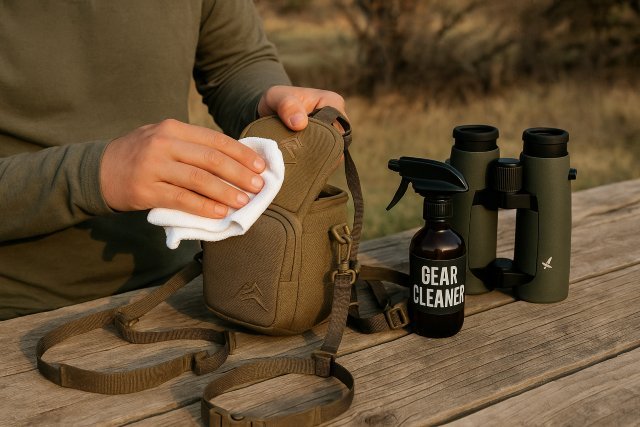

Why Proper Care for Your Bino Harness Matters
Your bino harness is one of the most essential pieces of gear for hunters, birdwatchers, and outdoor explorers. It keeps your binoculars secure, accessible, and protected from the elements. Yet despite constant use, many outdoor enthusiasts rarely give their harness the cleaning or maintenance it deserves.
Regular care can significantly improve the durability, comfort, and performance of your bino harness — ultimately extending the life of your binoculars themselves. In this guide, we explore professional, practical ways to maintain your bino harness so it lasts for years.
What Is a Bino Harness and Why Does It Need Maintenance?
A bino harness is a wearable system that distributes the weight of your binoculars evenly across your upper body, preventing strain and protecting your optics. Whether you’re trekking through rugged landscapes or scanning fields for wildlife, your harness encounters dust, sweat, mud, and constant friction.
Why maintenance matters:
- Prevents material breakdown
- Reduces odor and bacterial buildup
- Protects sensitive straps and stitching
- Ensures quiet movement (important for hunters)
- Extends harness and binocular lifespan
According to outdoor gear experts, proper maintenance can extend the life of nylon and polyester equipment by up to 50%.
How to Clean Your Bino Harness (Step-by-Step Guide)
Proper cleaning is essential. Avoid harsh chemicals or heat, which can weaken straps and warp protective compartments.
1. Remove the Binoculars and All Accessories
Detach your binos, rangefinder attachments, tethers, lens cloths, and pockets. This prevents moisture or cleaners from affecting your optics.
2. Shake Out Dirt and Debris
Turn the harness upside down and gently shake to remove trapped grit, grass, and dust.
3. Hand-Wash the Harness
Use these cleaning guidelines:
- Mix mild soap with lukewarm water
- Use a soft brush or microfiber cloth
- Scrub gently in circular motions
- Pay attention to sweat-heavy areas like shoulder straps
- Rinse thoroughly
Never use bleach or washing machines — they degrade stitching and elastic over time.
4. Clean Zippers and Buckles
Use a toothbrush or soft-bristle brush to clean zipper teeth.
Add a drop of zipper lubricant if needed to restore smooth function.
5. Air-Dry Completely
Dry indoors or in the shade. Direct sunlight can fade colors and weaken materials.
How Often Should You Clean Your Bino Harness?
| Usage | Cleaning Frequency |
|---|---|
| Heavy use (weekly hunts/hikes) | Every 2–3 weeks |
| Moderate use | Monthly |
| Light use | Every 2–3 months |
| Mud, rain, or sweat exposure | Clean immediately |
This cleaning regimen keeps materials from wearing down prematurely.
Deep Cleaning for Stains, Sweat, and Odor
If your bino harness has stubborn grime or smells, try:
Baking soda deodorizing treatment:
- Sprinkle baking soda inside pockets
- Let sit 12–24 hours
- Shake out and wipe clean
Spot treatment:
Use mild detergent + water. Avoid soaking foam-padded areas.
Anti-bacterial spray:
A light mist of fabric-safe disinfectant helps prevent odor-causing bacteria from sweat.
Maintaining the Straps, Elastic, and Connectors
Your straps are under constant tension, so proper care ensures longevity.
Check for Wear and Fraying
Inspect areas where straps rub against buckles and pack straps.
Tighten and Re-Adjust
A loose strap can cause unnecessary movement and noise — crucial to avoid during hunting.
Elastic Care
Do not overstretch elastic cords when storing.
Store your harness uncompressed to maintain elasticity.
Replace Hardware When Needed
Many brands sell replacement clips, tethers, and buckles.
Replacing worn hardware is cheaper than buying a new harness.
Weatherproofing and Protection Tips
Your bino harness is exposed to sun, rain, snow, mud, and dust — all of which cause wear.
1. Waterproofing Sprays
Use a fabric-safe DWR (Durable Water Repellent) spray on:
- Nylon
- Polyester
- Canvas harnesses
Avoid applying DWR to mesh or elastic unless manufacturer-approved.
2. UV Protection
Prolonged sunlight can:
- Fade colors
- Weaken polyester fibers
- Dry out leather parts
Store your harness in a cool shaded space after each use.
3. Dust and Debris Shielding
Use a bino harness cover or chest pack with a magnetic closure for extra protection.
This minimizes dust entering critical areas like zippers and pockets.
How to Store Your Bino Harness Properly
Proper storage prevents damage when the harness is not in use.
Recommended storage practices:
- Keep in a cool, dry drawer or gear bag
- Avoid storing binoculars inside for long periods
- Hang by straps to maintain shape
- Keep away from direct sunlight
- Add a silica gel pack to reduce moisture
If you live in a humid climate, regular moisture checks are essential.
Common Problems and How to Fix Them
1. Squeaky Straps or Buckles
Apply a small amount of dry silicone lubricant to plastic buckles.
2. Stiff Zippers
Use zipper wax or graphite pencil to restore smooth glide.
3. Elastic Wearing Out
Replace elastic shock cords every 1–2 years depending on use.
4. Fading Color
Use gentle UV-protection spray to help slow fading.
5. Loose Stitching
Reinforce with heavy-duty outdoor thread or take to a gear repair shop.
FAQs About Bino Harness Care
Can I put my bino harness in the washing machine?
No. Machine washing can damage elastic, padding, and stitching.
Can I dry my harness in the sun?
Indirect sunlight is fine, but avoid long exposure to prevent fading and fiber damage.
Should I waterproof my bino harness?
Yes — especially if you hunt or hike in wet environments. Use a DWR spray.
How long do bino harnesses last?
With proper care, a high-quality bino harness can last 5–10 years or longer.
Recommended Bino Harness Brands Known for Durability
- FHF Gear Bino Harness
- Marsupial Gear
- Vortex Optics GlassPak
- Badlands Bino Mag
- Alps OutdoorZ RMEF Ridge Stalker
These brands are praised for rugged construction and dependable performance.
Conclusion: Keep Your Bino Harness Running Strong for Years
Maintaining your bino harness is essential for protecting both your gear and your investment. With simple cleaning habits, strap maintenance, and proper storage, you can extend the life of your harness and ensure it performs flawlessly every time you head outdoors. Whether you’re glassing for elk in the mountains or birdwatching on a quiet trail, a well-maintained bino harness will always support your next adventure.















Leave a comment