

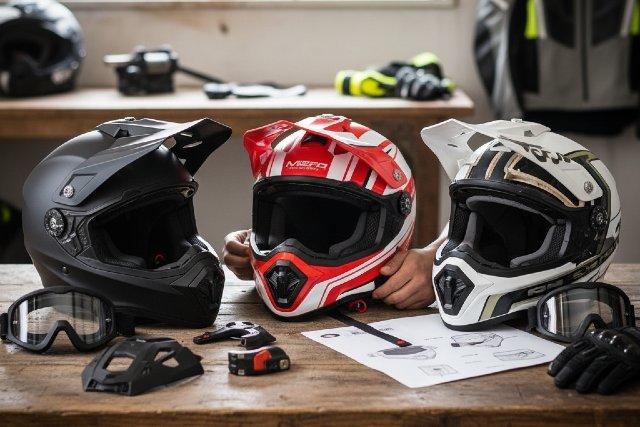

Choosing the right dual sport helmet can feel overwhelming, especially with the wide variety of features, safety standards, and designs available today. Whether you’re an adventure tourer, weekend trail rider, or daily commuter, your helmet is the most important piece of protective gear you own. In this comprehensive guide, we break down everything you need to know — from construction and ventilation to fit, sizing, and the latest safety technologies — to help you confidently select the ideal dual sport helmet for your riding needs.
What Is a Dual Sport Helmet?
A dual sport helmet (also known as an ADV helmet or dual-purpose helmet) blends the best features of off-road and street helmets, making it ideal for riders who split time between pavement and dirt.
Key characteristics:
- A pronounced peak/visor like off-road helmets
- A full-face shield like street helmets
- Aerodynamic shape for high-speed riding
- Larger eye ports for improved visibility
In short: A dual sport helmet gives you the comfort of a street helmet with the ruggedness of a dirt helmet.
Benefits of Using a Dual Sport Helmet
1. Versatility Across Terrains
You can ride highways, gravel roads, and technical trails without switching helmets.
2. Enhanced Visibility
Large face openings and wide-angle face shields improve peripheral vision — crucial for trail riding.
3. Superior Ventilation
Dual sport helmets often include multiple intake and exhaust vents, similar to dirt helmets.
4. Off-Road Sun Peak
The adjustable visor blocks sunlight and roost from riders ahead but is engineered to stay stable at highway speeds.
Essential Features to Look For in a Dual Sport Helmet
To choose the right dual sport helmet, evaluate the following critical features.
1. Helmet Shell Materials
The shell material determines durability, weight, and impact absorption. Common options include:
| Material | Pros | Cons |
|---|---|---|
| Polycarbonate | Affordable, decent impact resistance | Heavier, less durable over time |
| Fiberglass composite | Strong, lighter than polycarbonate | Usually more expensive |
| Carbon fiber | Ultra-light, high strength | Premium price |
| Kevlar blends | Exceptional impact distribution | Rare and costly |
Expert tip: Riders who spend long hours touring benefit greatly from carbon fiber’s reduced fatigue.
2. Visor and Face Shield Design
A dual sport helmet’s visor must balance off-road practicality with on-road aerodynamics.
Important elements:
- Scratch-resistant and anti-fog coatings
- Quick-release shield mechanisms
- Compatibility with goggles (for dusty trail riding)
- Wide eye port for better visibility
Many premium helmets also include Pinlock-ready shields, allowing riders to install an anti-fog insert for humid or cold conditions.
3. Ventilation System
Heat management is crucial for comfort and safety.
Look for:
- Adjustable chin vents
- Brow vents for eyeport circulation
- Top intake vents
- Rear exhaust vents
- Removable breath deflectors
According to research published by the Journal of Safety Research, rider fatigue and heat stress increase when airflow is insufficient. A proper dual sport helmet mitigates this risk effectively.
4. Interior Comfort & Liner Quality
The interior liner affects both comfort and long-term hygiene.
Features to consider:
- Removable, washable liners
- Moisture-wicking materials
- Anti-bacterial fabric
- Emergency cheek pad release systems
High-quality liners provide better long-distance comfort and reduce pressure points.
5. Weight and Aerodynamics
Dual sport helmets typically weigh between 1.4 to 1.9 kg. Lightweight models reduce neck strain during long rides or technical trail sections.
Aerodynamic testing is now built into many ADV helmets, reducing helmet lift and buffeting at highway speeds.
6. Communication System Compatibility
Modern ADV riders often rely on intercoms or Bluetooth communicators such as Sena, Cardo, or UClear.
When evaluating a helmet:
- Look for speaker pocket cutouts
- Check for flat-mount areas for clamp kits
- Some helmets include built-in Bluetooth readiness
7. Safety Ratings to Check
Safety should never be compromised. Make sure your dual sport helmet is certified under at least one of the following ratings:
DOT (U.S.)
Baseline road safety requirement.
ECE 22.06 (Europe)
Stricter impact testing and rotational-force assessments.
SNELL M2020
Voluntary and highly rigorous testing — common in performance helmets.
SHARP Rating (U.K.)
Not a certification, but provides a 1–5 star crash performance score.
Tip: Helmets with multi-directional impact protection systems (MIPS) provide enhanced rotational-force management.
How to Choose the Right Size and Fit
A proper fit can drastically improve comfort and safety.
1. Measure Your Head Correctly
Use a tailor’s measuring tape:
- Wrap around the widest part of your head
- Measure just above the eyebrows
- Compare with the brand’s sizing chart
General size reference:
| Head Circumference | Helmet Size |
|---|---|
| 53–54 cm | XS |
| 55–56 cm | S |
| 57–58 cm | M |
| 59–60 cm | L |
| 61–62 cm | XL |
| 63–64 cm | XXL |
2. Check for the Proper Fit
Your helmet should be:
- Snug but not painful
- Stationary when you shake your head
- Without pressure points
- Evenly contacting the crown and cheeks
Expect a slight break-in period over the first 10–20 hours of riding.
3. Head Shape Matters
Helmets are designed for three head shapes:
- Long Oval
- Intermediate Oval (most common)
- Round Oval
A mismatched head shape is the #1 cause of pressure points and discomfort.
Safety Technologies in Modern Dual Sport Helmets
Today’s helmets integrate advanced technology to improve rider protection.
1. MIPS (Multi-Directional Impact Protection System)
MIPS is a low-friction liner that allows slight movement between the head and helmet shell, reducing rotational forces that contribute to brain injuries.
2. Koroyd® Impact Protection
Used in some premium helmets, Koroyd is a collapsible honeycomb structure that absorbs up to 48% more impact energy compared to standard EPS foam.
3. Emergency Quick Release Systems (EQRS)
These systems allow first responders to safely remove cheek pads and the helmet without causing additional neck strain.
4. Dual-Density EPS Liners
Multiple layers of foam handle both high- and low-speed impacts.
Who Should Use a Dual Sport Helmet?
Dual sport helmets are ideal for:
Adventure Riders
Perfect for multi-day touring and mixed terrain.
Dual-Sport Motorcycle Owners
Designed specifically for bikes meant for both road and dirt.
Commuters
Offers better visibility and ventilation.
Trail Riders
Goggle compatibility is a huge advantage in dusty or muddy environments.
Common Questions About Dual Sport Helmets (FAQ)
1. Are dual sport helmets good for highway riding?
Yes. Modern ADV helmets feature aerodynamic peaks and face shields designed to reduce wind drag at highway speeds.
2. Can I use goggles with a dual sport helmet?
Most models are designed to work with both Face shields and off-road goggles.
3. Are dual sport helmets quieter than full-face helmets?
Usually, they are slightly noisier due to extra vents and the visor peak. However, premium helmets have excellent noise control.
4. Do dual sport helmets work for long-distance touring?
Absolutely. Many adventure riders prefer them due to comfort, visibility, and ventilation.
5. Are they safe?
As long as the helmet meets DOT or ECE certification standards, a dual sport helmet is as safe as any full-face road helmet.
Recommended Dual Sport Helmet Examples
1. Shoei Hornet X2
Premium build, excellent aerodynamics, and top-tier comfort.
2. Arai XD-4
Superior ventilation and legendary Arai quality.
3. Bell MX-9 Adventure MIPS
Affordable with MIPS protection — excellent value.
Final Tips for Buying a Dual Sport Helmet
- Buy from reputable brands with proven safety records.
- Replace your helmet every 5 years or after any impact.
- Prioritize fit over features — comfort = long-term safety.
- Test multiple helmets before choosing one.
Conclusion
Selecting the right dual sport helmet is essential for comfort, performance, and safety on every ride. By understanding key features — like ventilation systems, shell materials, safety ratings, and liner quality — you can make an informed decision that suits your riding style. Remember, the best helmet is the one that fits properly, meets safety standards, and keeps you comfortable on both pavement and trail. With the right dual sport helmet, every ride becomes safer, smoother, and more enjoyable.













Leave a comment