

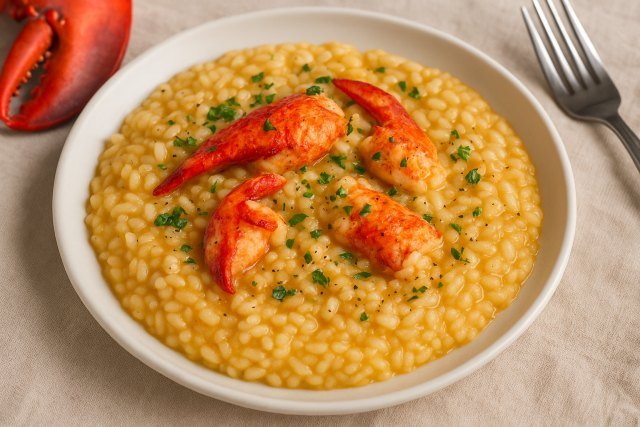

A well-made lobster risotto is one of the most elegant comfort dishes in Italian cuisine. Its rich, creamy texture paired with sweet, tender lobster makes it a showstopping meal for date nights, gatherings, or fine-dining moments at home. In this guide, you’ll learn how to prepare a restaurant-quality lobster risotto with step-by-step instructions, expert cooking tips, and insights on how to extract maximum flavor from every ingredient.
This article is designed for both beginners and confident home cooks who want a foolproof, luxurious risotto that highlights the natural sweetness of lobster while achieving the signature creamy consistency risotto is known for.
Why This Classic Lobster Risotto Recipe Works
A great lobster risotto is more than just rice and seafood — it’s a layered process that builds flavor slowly. Here’s why this recipe stands out:
- Homemade lobster stock adds depth
- Arborio or Carnaroli rice ensures the perfect creamy texture
- White wine balances richness with acidity
- Aromatic vegetables create a savory base
- Butter and Parmesan add luxurious creaminess
According to Serious Eats and America’s Test Kitchen, risotto texture depends almost entirely on starch release and slow broth absorption. Following the technique outlined below ensures you achieve the classic, velvety finish.
Ingredients for Classic Lobster Risotto
Below is the full ingredient list for a traditional lobster risotto with rich, creamy flavor.
Main Ingredients
- 1 ½ cups Arborio or Carnaroli rice
- 2 whole cooked lobsters (or 2 cups cooked lobster meat)
- 5 cups homemade lobster stock (or quality seafood stock)
- 1 small onion, finely diced
- 2 cloves garlic, minced
- 1 cup dry white wine
- 3 tbsp unsalted butter
- ¼ cup freshly grated Parmesan cheese
- 2 tbsp olive oil
- Salt and pepper to taste
- Fresh parsley or chives for garnish
How to Make Homemade Lobster Stock
A flavorful stock is the backbone of any successful lobster risotto. Avoid skipping this step — it elevates the dish significantly.
Ingredients for Stock
- Lobster shells from 2 lobsters
- 1 carrot
- 1 celery stalk
- 1 small onion
- 1 bay leaf
- 4–5 cups water
- 1 tbsp tomato paste
Instructions
- Heat olive oil in a pot and sauté lobster shells until fragrant.
- Add chopped vegetables and tomato paste.
- Pour in water and bring to a simmer.
- Cook uncovered for 35–45 minutes.
- Strain and keep warm for risotto use.
Pro Tip: Warm stock helps the rice cook evenly and release starch gradually.
Step-by-Step: How to Make Lobster Risotto
Follow this precise method to ensure your lobster risotto comes out creamy, flavorful, and perfectly cooked.
1. Prepare the Lobster Meat
If using whole lobsters:
- Remove meat from claws, knuckles, and tail.
- Cut into bite-sized chunks.
- Set aside the shells for stock.
Using pre-cooked lobster meat works as well, but fresh lobster produces better flavor and texture.
2. Sauté Aromatics
In a large pan:
- Heat olive oil over medium heat.
- Add onions and sauté until translucent.
- Add garlic and cook for 30 seconds.
This creates the savory foundation of your lobster risotto.
3. Toast the Rice
Add the Arborio or Carnaroli rice to the pan and stir for 1–2 minutes.
Why toasting matters:
- Coats grains in fat
- Encourages even starch release
- Prevents mushiness
The rice should become slightly translucent at the edges.
4. Deglaze with White Wine
Pour in 1 cup of white wine and stir constantly until it evaporates.
Use a dry wine such as:
- Pinot Grigio
- Sauvignon Blanc
- Chardonnay (unoaked)
Wine adds acidity that balances the richness of lobster and butter.
5. Add Warm Lobster Stock Gradually
This is the heart of the risotto process.
- Add one ladle of stock.
- Stir gently until mostly absorbed.
- Add another ladle.
- Repeat for 18–20 minutes.
Do not rush this step.
The slow absorption releases starch and creates the classic creamy texture.
The risotto is ready when:
- The rice is al dente (slightly firm)
- The texture is creamy and flowing
- Grains are distinct, not mushy
6. Add Lobster, Butter, and Parmesan
Turn off the heat and fold in:
- Lobster meat
- Butter
- Parmesan cheese
This step, known as mantecatura, transforms the dish into a smooth, velvety masterpiece.
Taste and adjust with salt and pepper.
7. Serve Immediately
Risotto waits for no one — the longer it sits, the thicker it becomes.
Serve in warm bowls, topped with:
- Fresh herbs
- Extra Parmesan
- Lemon zest (optional for brightness)
Nutritional Information
| Nutrient | Approx. Value (Per Serving) |
|---|---|
| Calories | 540–620 kcal |
| Protein | 28g |
| Carbohydrates | 55g |
| Fat | 22g |
| Omega-3s | High |
| Sodium | Moderate |
Lobster is naturally rich in protein and omega-3 fatty acids, making this dish both luxurious and nutritious.
Tips for the Best Lobster Risotto
Here are expert-level insights to elevate your dish:
Use Carnaroli for Extra Creaminess
Carnaroli rice has higher starch content than Arborio, producing an ultra-creamy finish.
Keep Stock Warm
Cold stock disrupts cooking and slows starch release.
Avoid Over-stirring
Risotto needs gentle movement — not rapid whisking.
Add Lobster at the End
Lobster gets tough if cooked too long.
Rest Risotto for 1 Minute Before Serving
This helps the consistency settle to the perfect flow.
Variations and Flavor Add-Ins
Saffron Lobster Risotto
Add a pinch of saffron threads to the stock for color and aroma.
Lobster and Truffle Risotto
Finish with white truffle oil for a gourmet twist.
Lemon-Herb Lobster Risotto
Add lemon zest and fresh herbs for a bright, refreshing flavor.
Spicy Lobster Risotto
Incorporate a dash of chili flakes for heat.
Wine Pairings for Lobster Risotto
The following wines complement the creamy and delicate flavor of lobster risotto:
- Chardonnay (unoaked)
- Champagne or sparkling wine
- Pinot Grigio
- Vermentino
- Chablis
Seafood dishes like risotto pair best with wines that offer minerality and acidity to cut through richness.
Frequently Asked Questions (FAQ)
1. Can I use frozen lobster?
Yes. Ensure it is fully thawed and drained. Fresh lobster provides better texture, but frozen is acceptable for convenience.
2. Can I make lobster risotto ahead of time?
Risotto is best fresh. However, you can pre-cook rice halfway, chill it, and finish it later — a technique used in restaurants.
3. How do I prevent mushy risotto?
Use the right rice, add stock slowly, and avoid overcooking. Stop when grains are tender yet firm.
4. Can I use chicken broth instead of seafood stock?
You can, but seafood stock preserves the authentic flavor profile of lobster risotto.
5. Why is my risotto too thick?
Add a splash of warm stock to loosen the texture before serving.
Conclusion: Create a Rich, Creamy Lobster Risotto at Home
With the right ingredients, timing, and technique, you can prepare a restaurant-quality lobster risotto at home — complete with rich, creamy texture and deep seafood flavor. Whether you’re cooking for a romantic evening or hosting guests, this classic recipe delivers elegance and comfort in every bite. Follow the steps, master the method, and you’ll soon have a signature dish that always impresses.
















Leave a comment