

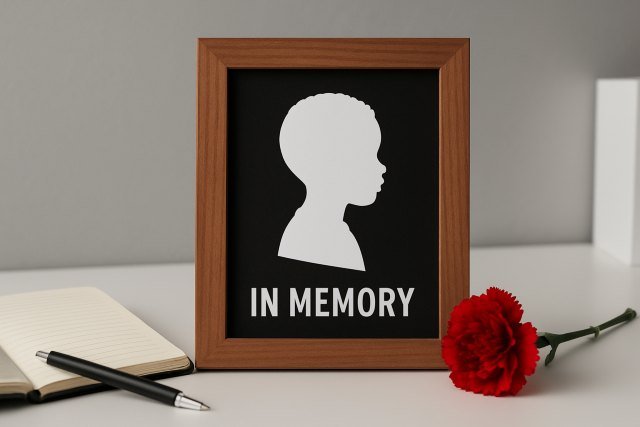

On January 26, 2017, 8-year-old Gabriel Taye tragically ended his life after what his family says was years of unchecked bullying. The case shocked his community and raised serious questions about school safety, supervision, and the signs parents should watch. In this article, we’ll examine exactly what happened to Gabriel Taye, the timeline of events, and most importantly — what parents and guardians can learn from this tragedy to protect children and encourage open communication.
Background: Who Was Gabriel Taye?
Gabriel Taye was an 8-year-old third-grader at Carson Elementary School in Cincinnati, Ohio. He loved dressing up, wearing neckties, and had a quiet, thoughtful personality. According to his mother, he seemed cheerful on the surface, which made the deeper bullying he experienced harder to detect.
His death by suicide shocked many because of his young age and the allegations of prolonged bullying that preceded it.
The Timeline of Events
Below is a summarized timeline of key incidents that led to Gabriel’s death:
| Date | Incident | Source & Notes |
|---|---|---|
| Prior years | Repeated bullying at school | Family alleges multiple incidents. |
| Jan. 25-27 2017 | Bathroom incident: knocked unconscious for ~7 minutes | Video surveillance captured it. |
| Jan. 27 2017 | Additional bullying: water bottle theft & attempted flush | Alleged by attorneys. |
| Jan. 26 2017 | Gabriel hangs himself at home | Officially ruled suicide. |
| 2021 | Settlement: School district agrees to $3 million settlement |
Detailed breakdown:
- Two days before his death, Gabriel was reportedly unconscious in a school bathroom after being knocked down. He lay for minutes while other children walked past.
- On the day of his death, attorneys say he was bullied again, then went home and took his life.
- The family sued the Cincinnati Public Schools district, alleging failures in supervision, reporting, and response. The matter led to a settlement.
What the Investigations Found
School Response & Oversight
Investigations revealed:
- The school failed to adequately investigate or document bullying incidents involving Gabriel.
- The video of the bathroom incident indicated negligence in supervision and response time.
- A federal appeals court ruled that school officials were not immune from civil rights claims, finding the allegations credible enough.
Impact on Policy
As part of the settlement, the school district agreed to reforms including greater tracking of bullying incidents, surveillance oversight, and enhanced communication with parents.
Key Lessons for Parents & Guardians
The tragedy of Gabriel Taye’s death holds several critical lessons for parents:
1. Maintain open communication
Children may hide bullying due to shame or fear. Regular check-ins help.
Encourage your child to speak up.
2. Monitor behavioral and emotional signs
Signs may include:
- Reluctance to go to school
- Unexplained injuries or complaints
- Sudden drop in grades or interest
- Heightened anxiety or sadness
3. Understand your child’s social context
Even well-meaning peers can participate in bullying dynamics. Understand your child’s relationships, not just overt “bully vs victim” scenarios.
4. Engage with the school proactively
If your child reports bullying or safety concerns, ask for:
- Incident logs
- Video or witness review
- Action plan from school administrators
5. Know the warning signs for suicidal ideation
The American Academy of Pediatrics and other research indicate risk factors for youth suicide include sustained bullying, isolation, mood changes, and access to means. Early detection saves lives.
6. Encourage resilience and coping skills
Build self-esteem, teach conflict resolution, provide opportunities for success outside of academics or friendships.
7. Advocate for systemic change
Parents and guardians should push for robust anti-bullying policies, meaningful supervision, confidential reporting systems, and transparency from schools.
Warning Signs & What to Do
Table: Warning Signs vs. Parental Action
| Warning Sign | What You Should Do |
|---|---|
| Reluctance to go to school | Ask open-ended questions; speak with teacher |
| Unexplained physical injuries | Request surveillance review; talk to child |
| Sudden mood changes or withdrawal | Engage a mental health professional |
| Reports of bullying or physical assault | Speak with school admin; document evidence |
| Mentions of death, self-harm, or suicide | Immediately seek help (911 or local hotline) |
Important: If your child mentions self-harm or suicide, do not wait — contact a mental health professional or emergency services immediately.
Support Systems & Resources
- National Suicide Prevention Lifeline (US): 988 (or 1-800-273-8255)
- Crisis Text Line: Text TALK to 741741
- StopBullying.gov: Offers guides on anti-bullying programs and parental resources
- Local school counselor or pediatrician
Empowering yourself with knowledge and resources makes all the difference.
Frequently Asked Questions (FAQ)
Q1: What exactly happened to Gabriel Taye?
A1: Gabriel Taye was an 8-year-old who died by suicide after what his family says was years of bullying at school. Two days before his death he was knocked unconscious in a school bathroom, and the school failed to properly notify his parents.
Q2: Was the school held accountable for what happened?
A2: Yes. In 2021 the school district reached a settlement of about $3 million with Gabriel’s family and agreed to structural changes in bullying response.
Q3: What signs of bullying should parents watch for?
A3: Parents should be alert to behavioral changes: anxiety about going to school, unexplained injuries, drop in performance, or talk of self-harm.
Q4: How can I talk to my child about bullying in a non-threatening way?
A4: Use open-ended questions: “How was recess today?” rather than “Did someone bully you?” Create a safe, judgment-free space.
Q5: What if my child says they feel suicidal?
A5: Treat all talk of suicide seriously. Seek immediate help — contact a crisis line, mental health professional, or emergency services.
Conclusion: Why the Story of Gabriel Taye Matters for Parents
The story of Gabriel Taye is heartbreaking yet deeply important. It underlines how bullying, when left unchecked, can lead to tragic consequences — even for young children who love life and seem fine on the surface. As parents and guardians, staying engaged, vigilant, and proactive is essential. Ensure your child knows they are heard and safe, advocate for transparent school policies, and always take signs of distress or bullying seriously. In doing so, we honor Gabriel’s memory and strive to protect children everywhere.
If you suspect your child is being bullied — or is showing signs of emotional distress — don’t wait. Reach out for support and begin a conversation today.














Leave a comment