

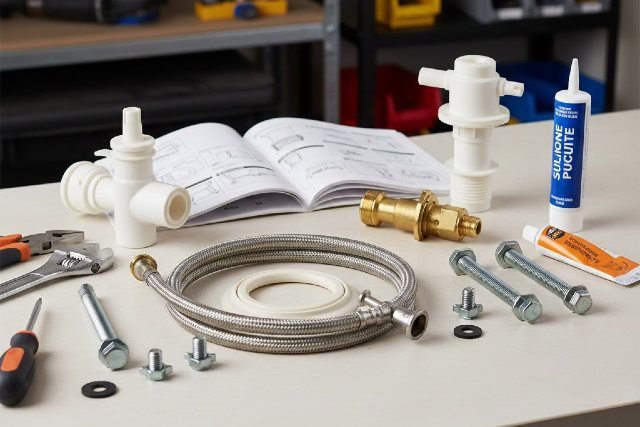

A toilet fixing kit is one of the most essential yet often overlooked components of a stable, leak-free toilet installation. Whether you are replacing an old toilet, fixing a loose base, or installing a new unit in a bathroom renovation, the right toilet fixing kit ensures durability, safety, and long-term performance. In modern plumbing, these kits are designed to simplify installation while preventing common issues such as wobbling, water leakage, and floor damage.
In this complete guide, you will learn what a toilet fixing kit is, how it works, which types are available, and how to choose the right one for your needs. Drawing on real-world plumbing practices and authoritative sources, this article provides expert-level insights for both DIY users and professionals.
What Is a Toilet Fixing Kit?
A toilet fixing kit is a set of components used to securely anchor a toilet pan to the floor and connect it safely to the waste outlet. These kits typically include bolts, screws, washers, plugs, and caps designed to stabilize the toilet and prevent movement over time.
From a plumbing perspective, a properly installed fixing kit reduces stress on the wax ring or rubber seal, which is a leading cause of leaks according to plumbing maintenance studies published by industry bodies like the Plumbing Manufacturers International. A loose toilet may seem minor, but even slight movement can compromise seals and damage flooring beneath.
Why a Toilet Fixing Kit Is Essential for Bathroom Safety
Using a high-quality toilet fixing kit is not optional if you want a long-lasting installation. A poorly fixed toilet can rock, crack grout lines, and allow moisture to seep into subfloors. Over time, this can lead to mold growth and structural damage, particularly in wooden or laminate floors.
According to data shared by home improvement authorities such as This Old House, toilet-related leaks account for a significant portion of household water damage claims. A secure toilet fixing kit minimizes this risk by keeping the fixture firmly in place under daily use.
Types of Toilet Fixing Kits Explained
Floor-Mounted Toilet Fixing Kit
A floor-mounted toilet fixing kit is the most common option in residential bathrooms. It is designed for toilets that sit directly on concrete, tile, or wooden floors. These kits typically use expansion plugs or anchors that grip firmly into the floor material.
This type of toilet fixing kit is ideal for standard Western-style toilets and is widely used in homes, apartments, and commercial restrooms.
Concealed Toilet Fixing Kit
A concealed toilet fixing kit is designed for modern bathrooms where aesthetics matter. The fixings are hidden from view, giving the toilet a clean and minimalist appearance. These kits are often used with wall-hung or back-to-wall toilets.
Professional installers often prefer concealed systems because they combine strong anchoring with a premium finish, making them popular in luxury bathroom projects.
Universal Toilet Fixing Kit
A universal toilet fixing kit is designed to work with multiple toilet models and floor types. These kits are especially useful for DIY users who may not know the exact specifications of their toilet.
Manufacturers often test universal kits against common ceramic pan designs to ensure compatibility and safety.
What Comes Inside a Standard Toilet Fixing Kit?
Most toilet fixing kits include essential hardware designed to handle weight, moisture, and vibration. High-quality kits use corrosion-resistant materials such as stainless steel or brass to prevent rust in damp bathroom environments.
Some advanced toilet fixing kits also include rubber grommets or vibration-dampening washers, which help reduce noise and micro-movement during use. This small detail significantly improves long-term performance.
How to Choose the Right Toilet Fixing Kit
Choosing the correct toilet fixing kit depends on several practical factors. Floor type is one of the most important considerations. Concrete floors require different anchors compared to wooden subfloors or ceramic tiles.
Toilet design also matters. Wall-hung and back-to-wall toilets require specialized concealed fixing kits, while traditional close-coupled toilets typically use standard floor-mounted kits. Always check the manufacturer’s installation guidelines before purchasing.
Step-by-Step Overview of Installing a Toilet Fixing Kit
Installing a toilet fixing kit correctly ensures stability and prevents future problems. After positioning the toilet over the waste outlet, alignment is checked to ensure the pan sits flush with the floor.
Once aligned, the fixing points are marked and drilled according to the floor type. Anchors are inserted, and the toilet is secured using the bolts provided in the toilet fixing kit. Tightening should be done evenly to avoid cracking the ceramic base, a common mistake among inexperienced installers.
Common Mistakes to Avoid When Using a Toilet Fixing Kit
One of the most frequent mistakes is overtightening the bolts. Ceramic toilet bases are strong but brittle, and excessive force can cause hairline cracks that worsen over time.
Another common error is using a low-quality toilet fixing kit in high-traffic bathrooms. Professional plumbers recommend investing in certified kits tested for load-bearing capacity, especially in commercial or family bathrooms.
Toilet Fixing Kit vs. Adhesive Installation Methods
Some installers use adhesive-only methods instead of a toilet fixing kit, particularly in rental properties. While adhesives may offer temporary stability, they do not provide the same level of long-term security.
Industry experts, including guidance from the Home Depot installation standards, recommend mechanical fixing kits over adhesives because they allow for future maintenance and toilet replacement without floor damage.
Maintenance Tips for Long-Term Performance
A properly installed toilet fixing kit requires minimal maintenance, but periodic checks are recommended. If you notice movement or creaking sounds, it may indicate loosening bolts or floor expansion.
Plumbers suggest checking toilet stability once a year, particularly in regions with temperature fluctuations that affect flooring materials. Early detection can prevent costly repairs.
Real-World Scenario: Fixing a Wobbling Toilet
In a typical household scenario, a homeowner notices their toilet rocking slightly. Upon inspection, the issue is traced back to worn bolts and a low-quality fixing kit installed years earlier.
Replacing the old hardware with a modern toilet fixing kit solved the problem immediately. The new kit included anti-rust bolts and reinforced anchors, restoring stability and preventing further seal damage.
Frequently Asked Questions About Toilet Fixing Kits
What is the best toilet fixing kit for home use?
The best toilet fixing kit for home use is one that matches your floor type and toilet design, preferably made from corrosion-resistant materials and certified by plumbing standards.
Can I install a toilet fixing kit myself?
Yes, many toilet fixing kits are DIY-friendly. However, for concealed or wall-hung toilets, professional installation is recommended.
How long does a toilet fixing kit last?
A high-quality toilet fixing kit can last 10–20 years or more when properly installed and maintained.
Conclusion: Why a Toilet Fixing Kit Matters
A toilet fixing kit is a small investment that delivers significant long-term benefits. From preventing leaks and floor damage to ensuring user safety and comfort, the right kit plays a critical role in bathroom functionality. By choosing a high-quality toilet fixing kit and installing it correctly, homeowners and professionals alike can achieve a secure, durable, and maintenance-friendly toilet installation.
In modern plumbing, reliability starts from the base, and a well-installed toilet fixing kit is the foundation of a trouble-free bathroom experience.















Leave a comment