

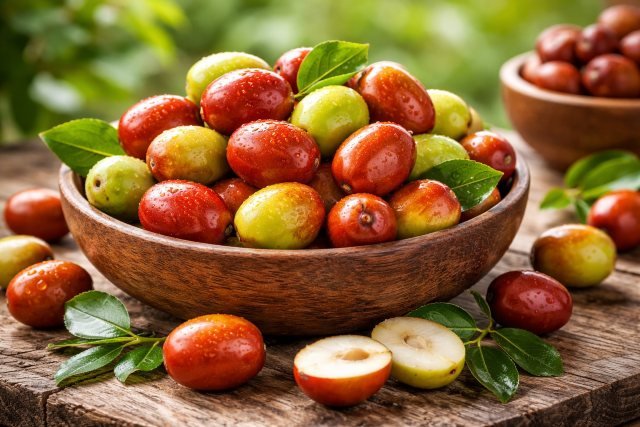

Žižole (pronounced zhee-zho-le) are small, oval fruits known globally as jujube or Chinese date. Botanically, they come from the tree Ziziphus jujuba and are popular across the Mediterranean, South Asia, and East Asia. When eaten fresh, Žižole are crisp and mildly sweet — similar to a small apple. When dried, they become wrinkled and chewy like dates, with a deeper caramel-like flavor.
What makes Žižole special isn’t just their taste — it’s their nutrient density. Despite being tiny, they deliver fiber, vitamin C, minerals, and a wide spectrum of antioxidant plant compounds. That’s exactly why they’ve been used in traditional wellness systems for centuries and are now being explored by modern science.
Why Žižole Are Suddenly Trending in Nutrition and Wellness
The wellness world is obsessed with “superfruits,” but many are expensive, exotic, or hard to source. Žižole are different: they’re affordable, versatile, and culturally familiar in many regions — yet still underused in mainstream diets.
The rising interest comes from three factors:
- High antioxidant content, including phenolics and flavonoids
- Digestive support via fiber and polysaccharides
- Traditional calming uses, especially with jujube seeds in Chinese medicine
As more research evaluates jujube’s bioactive compounds, Žižole are starting to earn scientific credibility beyond folklore.
Žižole Nutrition Profile: Small Fruit, Big Nutrients
If you’re wondering whether Žižole are actually nutritious or just “health hype,” the nutritional evidence is strong. Jujube fruit provides:
- Vitamin C (supporting immunity and collagen formation)
- Dietary fiber (important for digestion and metabolic health)
- Potassium and minerals (supporting nerve and heart function)
- Antioxidant compounds (protecting cells from oxidative stress)
Health-oriented medical resources describe jujube as rich in fiber, vitamin C, and antioxidants — especially phenolic acids and flavonols.
A review of the nutritional composition of jujube highlights its meaningful micronutrient and bioactive content across maturity stages.
Fresh vs Dried Žižole: Which Is Better?
Both forms have benefits, but they behave differently in the body:
- Fresh Žižole: lower calories and sugar, higher water content, lighter taste
- Dried Žižole: more concentrated sugars and calories, longer shelf-life, often more convenient
If you’re managing blood sugar, fresh Žižole may be easier to incorporate daily. Dried Žižole is great for quick energy, but portion size matters. Health sources also note that dried jujube becomes more sugar-dense as water is removed.
Žižole for Immunity: Vitamin C That Actually Adds Up
Most people associate vitamin C with citrus, but Žižole can compete surprisingly well. Vitamin C supports:
- immune defense
- collagen production (skin, joints, connective tissue)
- iron absorption
- antioxidant protection
Medical nutrition writers often highlight that jujube contains meaningful vitamin C and contributes to immune health.
Actionable tip:
If you’re not a fan of sour fruits, Žižole can be a gentler way to raise vitamin C intake. Add a few fresh Žižole into yogurt or smoothies instead of relying only on citrus.
Žižole for Digestion and Gut Health (Fiber + Plant Compounds)
Fiber is one of the most evidence-backed nutritional tools for long-term health, and Žižole naturally contain it. Fiber supports:
- smoother digestion
- better stool consistency
- improved gut microbiome diversity
- greater satiety (helpful for weight management)
Beyond fiber, jujube contains bioactive polysaccharides that may help support the gut environment. Research and clinical discussions commonly link jujube with digestive support and overall metabolic wellness.
Real-world scenario:
If you often snack on cookies or chips in the afternoon, switching to a small bowl of dried Žižole and nuts can keep you full longer and reduce sugar cravings — without feeling like “diet food.”
Žižole as an Antioxidant Fruit: Why That Matters
Oxidative stress is linked to aging, inflammation, and many chronic diseases. Antioxidants don’t “cure” anything overnight, but they help the body maintain balance by neutralizing free radicals.
Žižole contain numerous antioxidant compounds, including phenolics and flavonoids. Several studies have measured changes in phenolic composition and antioxidant capacity during the fruit’s maturity stages, confirming that jujube is a strong antioxidant source.
Why this is meaningful for daily health
Antioxidants support:
- cellular protection
- skin health (via reduced oxidative damage)
- cardiovascular protection
- better recovery from stressors like pollution, processed foods, and smoking
Actionable tip:
For maximum antioxidant benefit, choose deep-colored dried Žižole (richer reddish-brown) rather than overly pale ones — processing can reduce polyphenol retention.
Žižole and Sleep: Traditional Use Meets Modern Research
One of the most famous traditional uses of jujube is for calming the nervous system, especially in Chinese medicine where jujube seeds (often called Suan Zao Ren) are widely used.
Modern research reviews and pharmacology papers describe jujube seed extracts as having sedative and hypnotic potential, with investigations into mechanisms linked to neurotransmitter pathways such as GABA.
There is also growing interest in sleep-related formulations that include jujube seed extract combined with other botanicals, though not all evidence is conclusive and much of it is still in preclinical stages.
Does eating Žižole fruit help sleep?
Here’s the honest answer:
- Jujube seed extracts have stronger research signals for sleep than the fruit alone.
- Eating the fruit may still support relaxation indirectly (through micronutrients, antioxidants, and routine-building), but it shouldn’t be viewed as a “sleep medication.”
A consumer medical review notes that some small studies show sleep improvements with certain jujube preparations, but larger studies are still needed.
Practical sleep routine idea:
Try warm Žižole tea 60 minutes before bedtime (dried fruit simmered in water). Even if the effect is partially placebo, the ritual itself can reduce sleep anxiety — which is often the true barrier to rest.
Žižole and Metabolic Health: Cholesterol, Blood Sugar, and More
Metabolic syndrome and blood sugar regulation are major global health concerns. A randomized controlled trial explored jujube consumption in individuals with metabolic syndrome to assess metabolic and mental health outcomes.
While the full clinical conclusions vary by study design, the fact that randomized trials exist is a major credibility marker: researchers are taking Žižole seriously as a functional food.
What this means for you
Žižole may support:
- healthier snack substitution (reducing ultra-processed foods)
- fiber-driven glycemic moderation
- antioxidant support tied to inflammation reduction
Actionable tip for blood sugar control:
Pair dried Žižole with a protein/fat source like nuts or yogurt. This slows absorption and reduces sugar spikes compared to eating dried fruit alone.
Žižole and Heart Health: Potassium + Plant Protection
Žižole contain potassium and additional compounds that may support cardiovascular wellness. Health reviews commonly highlight jujube’s potential in supporting cardiovascular health through fiber, antioxidants, and micronutrients.
The heart-health advantage isn’t a miracle effect — it’s cumulative. The combination of:
- fiber
- antioxidant polyphenols
- reduced processed-snack reliance
can be meaningful over months and years.
Anti-Inflammatory Potential: What the Research Suggests
Chronic inflammation is tied to everything from joint pain to metabolic dysfunction. Plant phenolics are often studied for anti-inflammatory potential, and jujube’s polyphenols are widely documented across the scientific literature.
That said, it’s important to keep expectations realistic:
- Žižole can be a supportive dietary tool, not a replacement for treatment.
- Benefits are strongest when combined with a healthy overall diet.
How to Eat Žižole: Easy, Delicious Ways (Fresh + Dried)
Žižole are surprisingly flexible. Here are a few simple ways to incorporate them:
Fresh Žižole
- Eat like an apple (wash and bite)
- Slice into salads for crunch
- Add to smoothies for mild sweetness
Dried Žižole
- Snack straight from the pack
- Simmer into jujube tea
- Chop into oatmeal
- Use in baking instead of dates
Many wellness guides recommend starting small — especially with dried Žižole — because fiber and concentrated sugars can be intense if you overdo it quickly.
Buying and Storing Žižole: What to Look For
When shopping, you’ll usually find:
- Fresh Žižole: seasonal, often in specialty markets
- Dried Žižole: widely available year-round
Quality checklist
- Avoid overly glossy dried fruits (can indicate heavy additives)
- Look for minimal ingredient lists (ideally: “jujube” only)
- Choose whole, unbroken fruits (better nutrient retention)
If you buy dried Žižole in bulk, store them in an airtight container in a cool, dry place. For long storage, refrigeration is ideal.
Are Žižole Safe? Side Effects, Allergies, and Medication Cautions
For most people, Žižole are considered safe as a food. However:
- Dried Žižole can be high in sugar, especially in large servings.
- Rare allergies have been reported (especially with certain Ziziphus species).
- If you take medication for anxiety, depression, seizures, blood pressure, or heart issues, it’s wise to consult a healthcare professional before using concentrated jujube supplements.
Important distinction:
Eating the fruit is not the same as taking extracts or capsules. Supplements can have stronger biological effects and higher interaction risk.
Žižole vs Dates: What’s the Difference?
People often confuse dried Žižole with dates because they look similar. But they’re not the same fruit:
- Žižole (jujube): Ziziphus jujuba
- Dates: Phoenix dactylifera
Taste, texture, and nutrient composition differ, and Žižole tend to offer a unique mix of vitamin C and plant compounds that dates don’t always match.
Frequently Asked Questions (FAQ)
Are Žižole the same as jujube?
Yes. Žižole is a regional name, while jujube is the commonly used English name. The fruit comes from the tree Ziziphus jujuba.
Can I eat Žižole every day?
For most healthy people, yes — especially fresh Žižole. With dried Žižole, portion control matters because sugars are concentrated.
Do Žižole really help with sleep?
Traditional systems commonly use jujube seeds for sleep support. Modern research explores sedative mechanisms, but eating the fruit alone may have a milder effect.
Are dried Žižole healthy or too sugary?
They can be healthy, but they’re more calorie- and sugar-dense than fresh. Pair them with protein or healthy fats to reduce glucose spikes.
Who should avoid Žižole supplements?
Anyone with allergies or people on medications affecting mood, blood pressure, seizures, or heart rhythm should consult a clinician before using extracts.
Conclusion: Why Žižole Deserve a Spot in Your Diet
Žižole are the definition of a small food with oversized benefits. They offer vitamin C for immunity, fiber for digestion, and a wide range of antioxidant compounds that support long-term cellular health. Traditional systems also value jujube — especially the seed — for calming and sleep support, and modern research continues to explore these effects with increasing seriousness.
The best part is how easy Žižole are to use. You don’t need a complicated protocol: start with a few fresh fruits as a snack, add dried Žižole to tea, or swap them in for processed desserts. Small daily habits add up — and Žižole are a simple, delicious way to make your nutrition more functional.















Leave a comment