

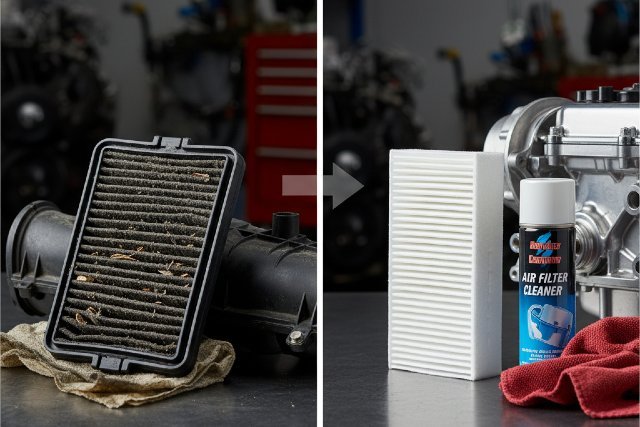

Why an Air Filter Cleaner Matters
A clean air filter is crucial to your vehicle’s performance. When it becomes clogged with dirt, dust, and debris, your engine struggles to breathe — resulting in reduced power, poor fuel efficiency, and increased wear. That’s where an air filter cleaner comes in.
Using a high-quality air filter cleaner ensures that your engine gets the optimal air-to-fuel ratio, improving combustion, performance, and longevity. In this guide, we’ll explain how air filter cleaners work, why they’re essential, and how to use them correctly.
What Is an Air Filter Cleaner?
An air filter cleaner is a specialized solution or cleaning system designed to remove dust, grime, and oil build-up from reusable air filters, particularly performance or oiled filters. Unlike disposable filters that need frequent replacement, reusable ones can be cleaned, oiled, and reused — saving both money and waste.
Types of air filter cleaners:
- Spray cleaners – For quick maintenance and easy rinsing.
- Foam cleaners – Designed for off-road or high-dust environments.
- Cleaning kits – Include cleaner and filter oil for complete maintenance.
How an Air Filter Cleaner Improves Engine Performance
1. Enhances Airflow
Clean filters allow unrestricted airflow into the engine. With better airflow:
- Combustion becomes more efficient.
- The engine burns fuel completely.
- Horsepower and throttle response improve noticeably.
2. Increases Fuel Efficiency
A clogged air filter can lower fuel economy by up to 10%, according to the U.S. Department of Energy. Using an air filter cleaner regularly helps maintain optimal air intake, ensuring better mileage per gallon.
3. Extends Engine Life
When dust and debris enter the combustion chamber, they can cause abrasion and wear on engine components. Regular cleaning with a filter cleaner prevents contaminants from reaching sensitive parts, prolonging your engine’s lifespan.
4. Reduces Emissions
A clean filter promotes more complete fuel combustion, which means fewer unburned hydrocarbons escape through the exhaust — leading to cleaner emissions and a greener drive.
Signs Your Air Filter Needs Cleaning
Before diving into maintenance, look for these warning signs:
- Reduced acceleration or sluggish performance
- Noticeable drop in fuel efficiency
- Black smoke or soot from the exhaust
- Dirty or clogged filter material (visible debris)
- Unusual engine sounds
If you notice any of these, it’s time to grab your air filter cleaner.
Step-by-Step Guide: How to Use an Air Filter Cleaner
| Step | Action | Description |
|---|---|---|
| 1 | Remove the Filter | Take out the air filter carefully. Tap it to loosen surface dirt. |
| 2 | Apply Cleaner | Spray the air filter cleaner evenly on both sides. Allow 10–15 minutes for it to penetrate. |
| 3 | Rinse with Water | Use low-pressure water from the clean side out to flush contaminants. |
| 4 | Dry Completely | Let it air dry naturally (avoid heat). |
| 5 | Re-Oil (if applicable) | For oiled filters, reapply a small amount of air filter oil for dust retention. |
| 6 | Reinstall the Filter | Once dry and treated, reinstall it securely. |
Pro Tips for Air Filter Maintenance
- Clean your reusable filter every 10,000 to 15,000 miles, or sooner in dusty conditions.
- Always use a manufacturer-approved air filter cleaner.
- Avoid over-oiling — it can damage sensors in modern vehicles.
- Replace the filter if it shows signs of damage, cracks, or deterioration.
Comparing Air Filter Cleaners: Which One Is Best?
| Brand | Type | Best For | Key Benefit |
|---|---|---|---|
| K&N Power Kleen | Spray | Oiled filters | Deep cleaning and residue-free |
| Maxima Air Filter Cleaner | Foam | Off-road bikes | Removes heavy grease and dirt |
| Uni Filter Cleaner | Liquid | Foam filters | Eco-friendly and biodegradable |
| Spectre Performance | Kit | Performance cars | Includes cleaner and red oil |
Pro Tip: Always match your cleaner type with your filter’s material — using the wrong one can reduce efficiency or damage the media.
FAQs: Air Filter Cleaner Explained
1. How often should I clean my air filter?
Generally, every 10,000–15,000 miles or every 6 months, depending on your driving environment. Off-road vehicles may require more frequent cleaning.
2. Can I use soap and water instead of a dedicated cleaner?
Not recommended. Regular soap can leave residues that clog the filter or reduce filtration efficiency. Use only an approved air filter cleaner.
3. Does cleaning really improve performance?
Yes! Clean filters can restore up to 11% of lost horsepower and improve fuel economy by 5–10%, according to several performance tests.
4. Are reusable filters worth it?
Absolutely. Although more expensive upfront, reusable filters last for years and only need cleaning, making them eco-friendly and cost-effective.
Expert Insight: The Science Behind Clean Air Intake
Engines rely on a precise air-to-fuel ratio — typically around 14.7:1 for gasoline engines. When airflow is restricted, the engine compensates by adjusting fuel delivery, leading to inefficiency. An air filter cleaner ensures consistent airflow and stable combustion, which translates into better throttle response and smooth acceleration.
Environmental Benefits of Cleaning Your Air Filter
- Reduces disposable filter waste.
- Enhances fuel efficiency, cutting CO₂ emissions.
- Promotes sustainable vehicle maintenance.
Using an eco-safe air filter cleaner further reduces environmental impact.
Conclusion: Keep Your Engine Breathing with an Air Filter Cleaner
A clean air filter is the simplest yet most effective way to boost your engine’s performance, extend its life, and save on fuel. Investing in a reliable air filter cleaner pays off through smoother rides, cleaner emissions, and long-term cost savings.











Leave a comment