

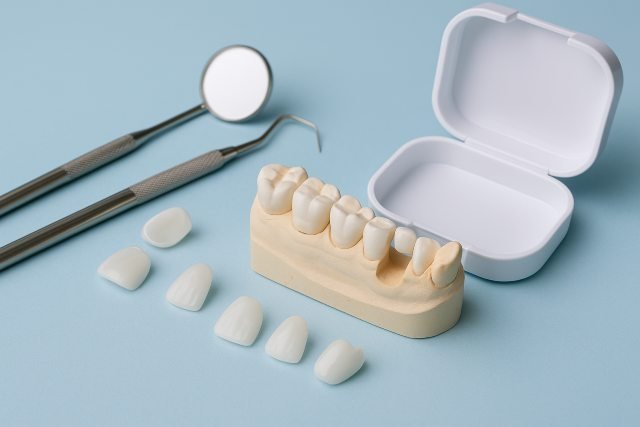

Choosing the right treatment for tooth loss is a major decision, and many people wonder whether dental veneers for missing teeth are the right solution. Veneers are widely used to enhance smiles, but using them to replace missing teeth is a different matter. Understanding how veneers work, when they are effective, and when alternatives make more sense can help you make an informed, long-lasting decision.
In the first 100 words, it’s worth clarifying that dental veneers for missing teeth are not typically recommended. While veneers are excellent cosmetic restorations for chipped, discolored, or misshapen teeth, they cannot replace the function or durability of a natural tooth. When one or more teeth are missing, most dental professionals prefer options such as implants, bridges, or dentures. Still, some people wonder whether modifying the surrounding teeth with veneers can fill a visible gap. To answer this thoroughly, we must explore how veneers work, why they fail when used incorrectly, and which replacement methods offer a healthier, more stable outcome.
Understanding What Veneers Can — and Cannot — Do
Veneers are thin shells made from porcelain or composite resin. They are bonded to the front surface of existing teeth to improve appearance. This means veneers require a healthy tooth structure to anchor them securely. Because a missing tooth leaves no structure behind, applying a veneer alone cannot fill or support the empty space.
Dentists emphasize that veneers are purely cosmetic. They enhance smiles but do not restore biting strength, chewing ability, or jawbone health. According to the American Dental Association (ADA), veneers work best for teeth that need aesthetic correction rather than structural replacement. This helps explain why dental veneers for missing teeth are not considered a viable standalone solution.
Some patients explore the idea of using veneers to reshape neighboring teeth to camouflage gaps. This technique can slightly close small spaces, but it does not replace an actual tooth. Attempting to use veneers in place of a tooth risks functional issues, uneven bite pressure, and long-term discomfort.
Why Veneers Alone Cannot Replace a Missing Tooth
To understand why veneers are inappropriate for fully replacing a missing tooth, it is helpful to examine the role teeth play in oral health. Each tooth supports the surrounding teeth, helps maintain proper bite alignment, and stimulates the jawbone through chewing. When a tooth goes missing, bone resorption begins, and the neighboring teeth may start shifting.
Because veneers only attach to the surface of teeth, they cannot provide the structural support necessary to stabilize an empty space. They also cannot prevent bone loss. According to research published in the Journal of Prosthetic Dentistry, only restorative options anchored in bone or fully supported by adjacent teeth can maintain long-term oral health after tooth loss.
For example, a veneer cannot endure the pressure exerted by chewing, nor can it restore lost tooth function in the way an implant crown can. Therefore, dental veneers for missing teeth are usually discouraged unless used strictly for cosmetic reshaping in extremely minor gaps.
When Veneers Are Helpful for Small Gaps or Aesthetic Concerns
Some patients have small gaps, called diastemas, that do not require full tooth replacement. In these situations, veneers can be used to create the illusion of a fuller smile. When a tooth is present but undersized or shaped irregularly, a veneer can be applied to widen or lengthen it.
This works under specific conditions where the natural tooth is healthy and stable. Since veneers adhere to the tooth surface, they can successfully close small spaces without requiring major dental procedures. This is an aesthetic solution, not a restorative one.
An example scenario might involve a patient whose lateral incisors are naturally narrow. Veneers can widen these teeth to reduce visible gaps and create a symmetrical smile. However, this approach cannot be applied when a tooth is completely absent.
The Risks of Using Veneers to Cover a Missing Tooth
Attempting to use dental veneers for missing teeth can create several long-term risks. Veneers are not designed to handle pressure from areas with unsupported gaps. Forcing them to act as substitutes for replacement teeth can lead to fractures, adhesive failures, and recurrent dental problems.
One significant risk involves over-preparing the neighboring teeth to compensate for the missing space. Removing too much enamel weakens the teeth and may lead to sensitivity or the need for future restorations. This creates a cycle of ongoing dental work that might have been avoided with proper tooth replacement.
Another issue arises when veneers disrupt bite alignment. If veneers are made larger than normal to cover a gap, they can create interference during chewing. Excessive forces may cause cracks, discomfort, or jaw strain. Studies from the National Institute of Dental and Craniofacial Research point out that bite misalignment contributes to TMJ disorders, which underscores why improper veneer use can become harmful.
Why Dentists Recommend Alternatives Instead of Veneers
Restorative dentistry focuses on replacing both the function and appearance of missing teeth. This is why most dental professionals recommend alternatives such as implants, bridges, or dentures. These options do more than fill a visible gap — they restore stability, prevent bone loss, and support long-term oral health.
Veneers simply cannot achieve this. They do not reinforce the jawbone, do not restore bite strength, and do not replace missing tooth structure. While they may improve the appearance of surrounding teeth, they do nothing to address the underlying issue.
Therefore, veneers are best reserved for enhancing the teeth that are already present. When a tooth is missing, the focus should shift to methods capable of replacing the lost structure entirely.
Alternative Options to Replace Missing Teeth
While dental veneers for missing teeth are not recommended, there are reliable solutions that effectively restore both appearance and function. Understanding your options can make the decision easier and more informed.
Dental Implants: The Gold Standard
Dental implants are widely regarded as the top option for replacing missing teeth. They involve a titanium post bonded to the jawbone and a custom crown attached to the post. This method mimics natural teeth in appearance and function.
Implants prevent bone loss by stimulating the jawbone in the same way natural tooth roots do. According to Mayo Clinic findings, implants boast success rates as high as 98% and can last decades with proper care.
Dental Bridges: A Reliable Non-Surgical Option
Bridges fill the gap left by a missing tooth by anchoring to two adjacent teeth. Unlike veneers, bridges replace the entire tooth structure above the gumline. They restore chewing function and prevent neighboring teeth from shifting.
Partial Dentures: A Removable Alternative
For multiple missing teeth, partial dentures provide an affordable and effective solution. Modern partial dentures are lightweight, natural-looking, and more comfortable than older designs.
Cost Considerations: Veneers vs. Tooth Replacement Options
Cost is often a factor when choosing between dental veneers and true tooth replacement methods. Veneers are typically less expensive per tooth, but they do not solve the root issue of tooth loss. Over time, veneers may need replacement or repair, leading to cumulative costs.
Implants, while more expensive upfront, provide long-term value by reducing the need for future dental work. Bridges fall somewhere in between, offering affordability and functionality without the surgical requirements of implants.
Investing in a proper tooth replacement solution prevents complications such as bone loss, shifting teeth, and bite misalignment — issues that veneers cannot address.
Case Study: When Veneers Failed to Replace a Missing Tooth
Consider a scenario involving a patient who attempted to camouflage a missing lateral incisor using veneers on the neighboring teeth. To fill the space visually, the veneers were made larger than natural proportions. Within two years, the veneers fractured due to uneven bite pressure. The patient also experienced jaw discomfort and gum inflammation.
Eventually, the patient opted for a dental implant, which resolved the functional issues and restored natural aesthetics. This example highlights why dental veneers for missing teeth often lead to failure and why proper replacement is necessary.
Expert Insights on the Right Approach
A cosmetic dentist will typically evaluate the health of your gums, jawbone, and neighboring teeth before suggesting treatment. Experts emphasize that cosmetic improvements should never compromise oral function. The American Academy of Cosmetic Dentistry notes that long-term stability should always guide treatment decisions.
Veneers are wonderful tools when used appropriately. They enhance smiles by correcting discoloration, gaps, and minor imperfections. However, they cannot and should not replace missing teeth. Reputable dental professionals universally recommend restorative solutions instead.
Common Questions About Using Veneers for Missing Teeth
Many patients ask whether it’s possible to combine veneers with other restoration methods. For example, some individuals choose implants for missing teeth and veneers for the surrounding teeth to complete a full smile makeover. This is common and highly effective when done correctly.
Others ask whether a veneer can be attached to a dental implant. The answer is no — implants require crowns because crowns offer full coverage and structural strength, whereas veneers only cover the front surface.
Another frequent question involves using veneers to minimize the appearance of missing molars. Because molars play a crucial role in chewing, attempting to hide their absence with veneers would lead to long-term bite issues.
These questions highlight the importance of understanding the role of veneers and why they should not be misused as tooth replacements.
Conclusion
In conclusion, while veneers play an essential role in cosmetic dentistry, dental veneers for missing teeth are not a suitable solution when it comes to restoring function and stability. Veneers cannot replace the structural support, biting strength, or bone stimulation lost when a tooth is missing. They work beautifully for enhancing existing teeth but cannot perform the role of an actual replacement. If you have missing teeth, focusing on proven alternatives such as implants, bridges, or partial dentures is the healthiest, most effective approach. Making an informed decision today ensures long-term oral health and confidence for years to come.














Leave a comment