

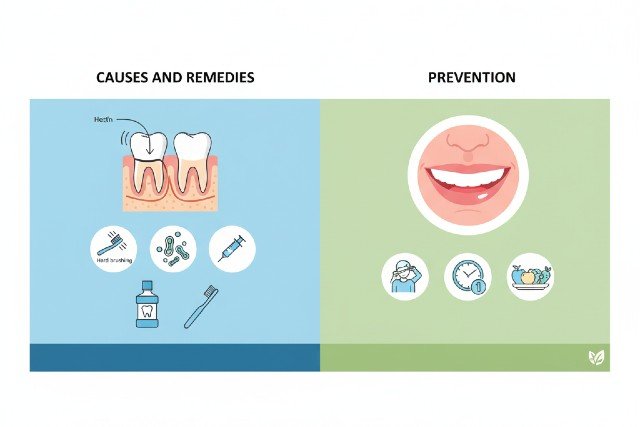

Gum health plays a critical role in maintaining a bright smile and overall oral wellness. Gingival recession self-care refers to the daily habits and treatments that help manage or prevent gum recession — a condition where gum tissue gradually pulls away from the teeth, exposing their roots. This issue not only affects aesthetics but can also lead to tooth sensitivity, decay, and even tooth loss if ignored.
In this guide, you’ll learn everything about the causes, remedies, and prevention of gingival recession, along with expert-backed self-care strategies to restore gum health naturally and effectively.
What Is Gingival Recession?
Gingival recession, also known as gum recession, occurs when the margin of the gum tissue that surrounds the teeth wears away or pulls back, exposing more of the tooth or its root. Over time, gaps form between the teeth and gum line, allowing bacteria to build up and cause further damage.
Common Signs and Symptoms
- Tooth sensitivity to hot or cold
- Longer-looking teeth
- Exposed tooth roots
- Bleeding or swollen gums
- Bad breath or gum inflammation
Primary Causes of Gum Recession
Understanding the root cause is key to effective gingival recession self-care. Here are the most common reasons gums recede:
| Cause | Description | Prevention Tip |
|---|---|---|
| Aggressive brushing | Brushing too hard or using a hard-bristled toothbrush wears down gum tissue. | Use a soft-bristled brush and gentle circular motions. |
| Poor oral hygiene | Plaque and tartar buildup can lead to gum disease and tissue loss. | Brush twice daily and floss regularly. |
| Periodontal disease | Bacterial infections destroy gum tissue and bone. | Regular dental checkups and scaling. |
| Genetics | Some people are predisposed to thinner gum tissues. | Regular monitoring and preventive care. |
| Hormonal changes | Fluctuations during pregnancy or menopause can make gums more sensitive. | Maintain consistent oral hygiene routines. |
| Tobacco use | Smoking restricts blood flow and slows gum healing. | Quit smoking to improve gum health. |
| Misaligned teeth or grinding (bruxism) | Uneven bite pressure can wear down gums. | Use a night guard or orthodontic treatment. |
Effective Gingival Recession Self-Care Remedies
1. Adopt Gentle Oral Hygiene Practices
One of the most effective steps in gingival recession self-care is modifying how you brush and floss.
- Use a soft-bristled toothbrush or an electric toothbrush with pressure control.
- Replace your toothbrush every 3–4 months.
- Floss gently using a “C” shape around each tooth.
- Rinse daily with an alcohol-free antibacterial mouthwash.
2. Use Desensitizing and Re-mineralizing Toothpaste
Toothpastes containing potassium nitrate or stannous fluoride can help relieve sensitivity caused by exposed roots. Brands like Sensodyne or Colgate Pro-Relief are commonly recommended by dentists.
3. Natural Remedies for Gum Recession
For those preferring natural options, certain home remedies may support gum health:
- Aloe Vera Gel: Anti-inflammatory and healing properties.
- Green Tea: Rich in antioxidants that fight gum inflammation.
- Oil Pulling: Swishing coconut or sesame oil for 10–15 minutes may reduce bacteria.
- Salt Water Rinse: Reduces inflammation and kills germs naturally.
(Note: Natural remedies can complement professional care but should not replace dental treatments.)
4. Stay Hydrated
Dry mouth increases bacterial growth and worsens gum issues. Drink plenty of water and avoid excessive caffeine or alcohol.
Professional Treatments to Support Self-Care
If gum recession is advanced, self-care alone may not suffice. Professional options include:
- Scaling and Root Planing: Deep cleaning to remove tartar below the gum line.
- Gum Grafting: Transferring tissue to cover exposed roots.
- Pinhole Surgical Technique: A minimally invasive procedure to reposition gum tissue.
- Laser Therapy: Reduces bacteria and stimulates healing.
Your dentist may recommend combining gingival recession self-care with one of these treatments for lasting results.
Preventing Gum Recession: Daily Habits That Protect Your Smile
1. Brush Smart, Not Hard
- Hold your brush at a 45° angle to your gum line.
- Use small circular motions instead of back-and-forth scrubbing.
2. Regular Dental Visits
Visit your dentist every six months for cleanings and early detection of gum problems.
3. Balanced Diet for Gum Health
- Eat foods rich in Vitamin C, CoQ10, and Omega-3 fatty acids.
- Avoid sugary snacks and acidic drinks.
4. Manage Stress
Stress can increase bruxism (teeth grinding), which accelerates gum wear. Practice relaxation or wear a night guard.
5. Quit Tobacco
Tobacco products restrict oxygen flow to the gums, slowing healing and encouraging bacteria growth. Quitting smoking is one of the most powerful forms of gingival recession self-care.
Frequently Asked Questions (FAQs)
Can gum recession grow back naturally?
No, receded gum tissue doesn’t regenerate naturally. However, you can stop further recession and strengthen existing tissue through proper self-care and dental treatment.
How long does it take to improve gum health?
Mild recession may show improvement within 2–4 weeks of consistent care, while severe cases require professional intervention.
Is mouthwash necessary for gum recession self-care?
Yes, but choose alcohol-free and antibacterial formulas to reduce irritation and bacterial buildup.
Can diet affect gum recession?
Absolutely. Nutrient-rich foods (like leafy greens, citrus fruits, and salmon) help strengthen gums and reduce inflammation.
Conclusion
Effective gingival recession self-care combines professional guidance, good oral hygiene, and healthy lifestyle choices. By understanding the causes, using the right remedies, and maintaining preventive habits, you can protect your gums and preserve your smile for years to come.















Leave a comment