



If you’re researching Digital Fairways BBB information before paying for golf-course or in-app advertising, you’re already doing the smartest thing a small business can do: verify the company’s track record and understand what the public complaint data actually means.
What’s verifiable on the Better Business Bureau profile, what customers say in BBB reviews, how to interpret complaint patterns, and what practical steps you can take to protect your budget — whether you’re still deciding or you’ve already been charged. All details below are based on the BBB business profile and complaint/review pages for Digital Fairways, plus consumer-protection guidance from the FTC and BBB’s own education resources.
What is Digital Fairways?
Digital Fairways presents itself as a golf advertising company connected to a mobile scoring/golf app ecosystem. On its own official “Official Company Information” page, the company frames its service as brand visibility and golfer awareness, explicitly stating it is not a lead-generation company and does not guarantee sales or specific outcomes. That distinction matters, because many advertising disputes start when buyers assume they’re purchasing leads or guaranteed ROI.
The core offer is typically “exposure” (impressions, brand placement, in-app or course-related visibility), not “results.” If your goal is direct phone calls, booked appointments, or measurable lead volume, you should negotiate deliverables that match that goal — or choose a channel designed for lead-gen.
Digital Fairways BBB snapshot (verified profile details)
Here’s what the Digital Fairways BBB business profile shows at a glance:
- BBB Accreditation: The BBB profile states the business is not BBB accredited.
- BBB rating: The profile shows “Not Rated,” with a note that BBB is evaluating a pattern of complaints before issuing a rating.
- BBB alert: The profile displays 1 alert: “Pattern of Complaints.”
- Business details (BBB listing): The BBB page lists the company location in Tempe, Arizona and provides business start/incorporation information and management contacts.
- Related business: BBB lists Direct Fairways LLC as a related business.
Two quick clarifications that help you read the profile accurately:
First, “Not accredited” is not the same thing as “scam” (many legitimate businesses simply don’t apply for accreditation). But it does mean you’re not getting the extra trust signal of BBB accreditation standards and ongoing oversight.
Second, “Not Rated” is not a grade. It means BBB hasn’t assigned a rating, and in this case, BBB explicitly states it’s evaluating a complaint pattern before doing so. Treat “Not Rated” as a cue to dig deeper, not as a pass/fail outcome.
Digital Fairways BBB reviews: what customers are reporting
On the BBB customer reviews page, Digital Fairways has an average rating of 2.14/5 stars, based on an average of 21 customer reviews (as shown on the BBB page).
What stands out isn’t just the number — it’s the spread. The BBB page shows examples of both:
Some reviewers report seeing their advertisement placed and being satisfied with how it looked (including recent 5-star reviews shown on the BBB page).
Others allege negative experiences that often involve claims of misleading sales pitches, difficulty getting responses, or dissatisfaction about value delivered versus what was expected. The BBB page includes multiple 1-star reviews describing these kinds of issues.
A healthy way to interpret mixed reviews is to ask: “What conditions separate good experiences from bad ones?” In advertising, those conditions are usually:
- whether the buyer understood the product (exposure vs leads),
- whether placement/delivery was clearly defined,
- whether proof of performance was provided,
- and whether billing matched the written agreement.
Those are exactly the areas you should lock down in writing before paying.
Digital Fairways BBB complaints: volume, outcomes, and what it means
The BBB complaints section provides the clearest “pattern” view because it aggregates outcomes and categories over time.
According to the BBB complaints page for Digital Fairways:
- 53 total complaints in the last 3 years
- 10 complaints closed in the last 12 months
- Complaint status breakdown shown includes Resolved and Answered
- Complaint-type categories shown include Product issues, service/repair issues, billing issues, sales/advertising issues, customer service issues, and order issues
This kind of breakdown is useful because it tells you where friction tends to happen. For an advertising vendor, the categories that deserve extra scrutiny are:
- Billing Issues (especially recurring charges, upsells, or disputed authorizations)
- Sales and Advertising Issues (misalignment between pitch and deliverables)
- Service Issues (placement not delivered, delays, or support gaps)
Just as important: BBB reminds readers that complaint “text displayed might not represent all complaints filed,” and not all details are always published. So use complaint summaries and patterns as your compass, not as your only evidence.
How to interpret “Pattern of Complaints” on BBB (without overreacting)
When you see a “Pattern of Complaints” alert, don’t jump straight to conclusions — but don’t ignore it, either.
A practical interpretation is:
- A pattern alert suggests repeated issues are being reported in similar themes.
- Your job as a buyer is to reduce your risk by ensuring you won’t become “one more repeat of the pattern.”
BBB itself encourages consumers to consider the nature of complaints and a firm’s responses, not just raw counts.
So, instead of asking “Is this company good or bad?” ask these higher-signal questions:
- Are the deliverables measurable and documented?
- Do customers report unauthorized billing or confusing renewals?
- Does the company respond in writing and resolve issues?
- Are there clear cancellation/refund terms?
Those answers determine your real risk.
Why “exposure advertising” causes so many disputes (and how to avoid them)
One reason “golf course / app exposure” offers create friction is that they sit in a fuzzy middle ground:
- They feel like local sponsorship (branding).
- They’re sold with the urgency and confidence of performance marketing.
- But they often don’t come with performance metrics that a small business expects.
Digital Fairways explicitly says it does not guarantee sales or outcomes, positioning the service as brand exposure. If a salesperson implies guaranteed results, that’s a mismatch you must correct before you sign.
This is also why the FTC warns small businesses about deceptive tactics that create urgency or impersonate trusted organizations, and stresses the value of training staff and verifying claims.
Consumer checklist: how to vet a Digital Fairways-style offer before paying
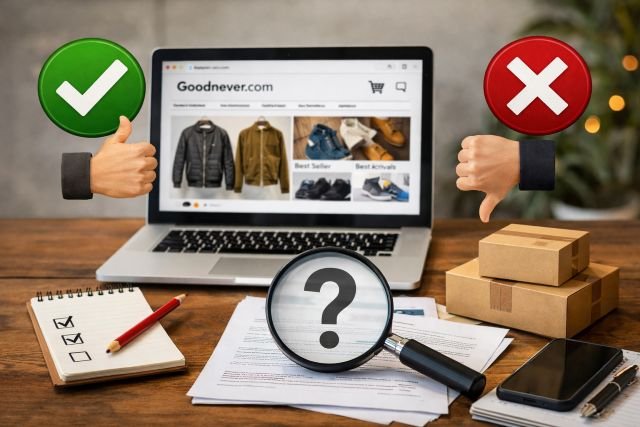
Here’s a “do-this-before-you-pay” checklist you can use for Digital Fairways or any similar golf advertising vendor.
1) Verify the exact business identity you’re contracting with
BBB lists Digital Fairways and also references a related business (Direct Fairways LLC). Make sure the contract name, billing descriptor, website domain, and customer support contacts match what you’re seeing on official pages.
2) Ask for deliverables in writing, not in a call summary
If your deliverable is “your ad will appear on X holes/courses,” define:
- the exact course names (and whether they’re guaranteed),
- the exact placements (hole numbers, in-app screens, rotations),
- the start date and duration,
- what counts as “delivered,” and
- what proof you’ll receive.
If they can’t define delivery, you can’t verify it.
3) Require proof-of-performance
For in-app visibility, ask for reporting (screenshots, timestamps, impression metrics if available). For physical or course placements, ask for photo confirmation plus a schedule.
If the business model is awareness-only, proof-of-performance is what separates “branding” from “trust me.”
4) Nail down billing terms and renewal rules
A large share of BBB complaint categories include billing issues, so treat billing clarity as non-negotiable.
Your contract should plainly state:
- total price,
- when charges occur (one-time vs monthly),
- whether the agreement auto-renews,
- how cancellation works (and deadlines),
- refund eligibility.
5) Call one golf course (or check independently)
If the pitch references partnerships with specific courses in your area, verify with a quick call or email to the course pro shop confirming the advertising medium exists and how vendors typically place ads.
This one step eliminates a huge amount of uncertainty.
If you already paid and you’re unhappy: what to do next
If you feel you didn’t get what was promised, act quickly while your documentation and timelines are fresh.
Step 1: Gather proof in one place
Save the contract, invoice, card statements, emails, voicemails, and any screenshots or placement claims.
Step 2: Ask the company for a written resolution
Keep it calm and specific: “Here is what was promised. Here is what was delivered. Here is what I’m requesting.”
BBB complaint records often show that businesses may respond with instructions to contact customer service directly and confirm resolution steps. Whether or not you’re using BBB, written trails help you resolve faster.
Step 3: Dispute charges if appropriate
If you believe a charge was unauthorized or the service was misrepresented, you may be able to dispute it with your card issuer. Visa explains the dispute process at a high level and emphasizes responding quickly and providing documentation.
Also, many banks provide dispute guidance and timelines; for example, large issuers publish step-by-step instructions for card disputes.
Step 4: File a BBB complaint if you want a structured channel
BBB provides a formal complaint pathway and publishes summaries that can help other consumers evaluate risk (and can encourage a company response). You can file directly through BBB’s complaint system from the business profile.
Step 5: Use scam-prevention education to train your team
Even if this is “just an advertising dispute,” the same protective habits reduce future risk. The FTC’s small business scam guidance focuses on recognizing pressure tactics, verifying claims, and educating staff.
BBB also publishes scam-prevention resources that are useful for internal process-building.
How a small business can avoid a costly mismatch
Imagine a local HVAC company is pitched “exclusive advertising on five local courses” for a yearly fee. The salesperson talks about “new customers” and “high-intent golfers,” and the owner assumes this is lead generation.
But the contract language (often) frames the service as exposure without guaranteed outcomes. After paying, the owner sees little change in calls and feels misled.
How to prevent that scenario:
- Before paying, the owner requests: (1) proof of where the ad will appear, (2) a sample report, (3) refund/cancellation terms, and (4) a clause that forbids unauthorized billing beyond the written total.
- The owner also clarifies in writing: “We understand this is awareness-based and not guaranteed leads,” so expectations match the product.
That single email can be the difference between a clean campaign and a messy dispute.
FAQs
Is Digital Fairways BBB accredited?
No. The BBB business profile states Digital Fairways is not a BBB accredited business.
What is Digital Fairways’ BBB rating?
The BBB profile shows “Not Rated,” and notes BBB is evaluating a complaint pattern before issuing a rating.
How many BBB complaints does Digital Fairways have?
BBB’s complaint summary shows 53 total complaints in the last 3 years and 10 complaints closed in the last 12 months on the Digital Fairways complaints page.
What do Digital Fairways BBB reviews say?
BBB reviews show a mixed picture, with an average rating of 2.14/5 stars based on 21 customer reviews (as displayed on BBB). Some customers report satisfied outcomes; others report disputes about billing, delivery, or expectations.
Does Digital Fairways guarantee leads or sales?
On its official information page, Digital Fairways says it is not a lead-generation company and does not guarantee sales or specific outcomes, framing the service as brand exposure.
Conclusion: How to use Digital Fairways BBB data to make a safer decision
The Digital Fairways BBB profile provides clear, verifiable signals you can use to reduce risk: the business is not BBB accredited, it’s marked Not Rated while BBB evaluates a complaint pattern, and the BBB site shows both review ratings and a complaint summary that highlights recurring friction areas — especially billing and sales/advertising expectations.
That doesn’t automatically tell you “buy” or “avoid.” What it does tell you is where to apply pressure: insist on written deliverables, proof of placement, and crystal-clear billing and cancellation terms. Pair that with the FTC’s small-business scam-avoidance habits — verify claims, slow down urgency, document everything — and you’ll dramatically improve your odds of a positive outcome with any advertising vendor.











Leave a comment