

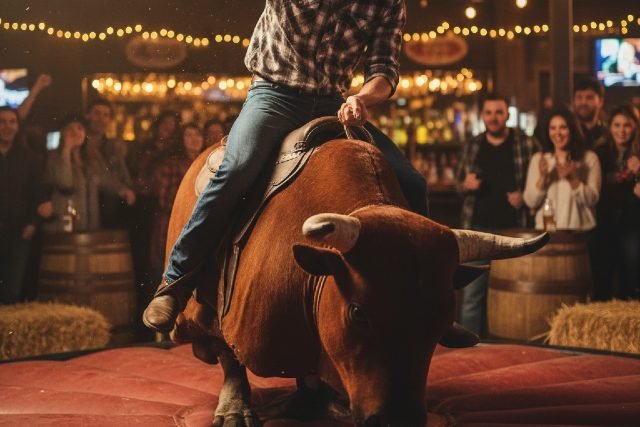

Riding a mechanical bull offers an exhilarating mix of challenge, athletic skill, and body awareness. Whether you ride for fun, fitness, competition, or confidence building, mastering the right techniques is essential for staying balanced and in control. In the first moments of your training journey, it becomes clear that balance is not only a physical ability but also a mental skill that riders gradually refine. The mechanical bull brings unpredictability, speed variations, and sudden directional changes, making it the perfect tool for building core strength, reflexes, and confidence. Understanding how your body responds to motion is the first step toward becoming a more stable and capable rider.
Mechanical bull riding has grown beyond rodeo-themed entertainment and now appears in gyms, training studios, sports programs, and coordination therapy sessions. Its rising popularity is backed by research showing that balance-based training improves neuromuscular connection, reaction time, and overall physical stability. A study published by the National Strength and Conditioning Association explains that dynamic balance training is one of the most effective ways to reduce injury risk and enhance movement efficiency. This makes the mechanical bull an ideal platform for developing coordination and strength through controlled instability.
How Body Position Affects Mechanical Bull Balance
Your riding posture dictates your ability to react quickly and maintain stability. When you mount the mechanical bull, your center of gravity becomes your primary anchor. Keeping your weight centered and low helps you absorb sudden motions. The body naturally adjusts to each twist and rotation, and the key is learning how to move with the bull rather than against it. Riders who stiffen up or lean too far in one direction usually lose their balance faster, while riders who stay relaxed and centered maintain better fluidity during the ride.
Core stability plays a powerful role during this process. Your abdominals, obliques, lower back, and hip flexors work together to stabilize your torso while the bull shifts beneath you. The goal is to maintain a strong but flexible midsection, which allows your upper body to remain isolated while your lower body absorbs most of the impact. Trainers often compare this sensation to riding a real horse or performing advanced balance exercises on a stability ball. This level of control requires practice but becomes easier as your muscle memory develops.
Developing Balance Through Repetition and Rhythm
The rhythm of the ride is a crucial component of balance. Every mechanical bull operator programs the machine differently, which means you must adjust to new speeds and motion patterns each time. The bull often starts with slow, circular movements that help riders warm up before progressing to faster rotations or abrupt direction changes. Recognizing these patterns helps you anticipate what comes next. Over time, your body learns to feel the bull’s rhythm, making it easier to react instinctively rather than consciously.
Experienced instructors often advise riders to focus on breathing rather than tensing up during difficult motions. Steady breathing helps the brain coordinate timing, rhythm, and muscle activation. This practice aligns with studies from sports psychology research indicating that controlled breathing enhances performance in dynamic balance tasks by reducing stress responses. A calm, balanced mindset creates a calm, balanced ride.
Hand Position and Grip Control for Mechanical Bull Stability
One important technique that riders frequently overlook involves hand positioning. While it may seem that gripping the handle tightly provides more control, the opposite is true. A relaxed but secure grip allows the body to move naturally and reduces tension in your shoulders and arms. When riders pull too hard with their hands, their upper body becomes rigid, which disrupts balance and makes every jerking motion feel more intense.
Keeping your free arm extended for counterbalance adds another level of stability. This movement helps distribute your weight evenly and offsets the bull’s direction changes. Riders who let their free arm move fluidly often last longer and maintain a smoother ride. This method mirrors the techniques traditionally used in rodeo bull riding, where the free arm acts as a balance stabilizer.
Engaging Your Lower Body to Maintain Control
Your legs act as the foundation of your stability during mechanical bull riding. Keeping them snug against the bull creates a controlled grip that supports the rest of your body. The pressure from your inner thighs, knees, and hips works to lock your lower body into place while still allowing you to respond to movement. This engagement activates muscles similar to those used during horseback riding, martial arts stances, and lower-body athletic training.
The hips play an especially important role. As the bull rotates, your hips should move with the motion rather than resisting it. This natural sway helps maintain your balance and prevents your upper body from being thrown forward or backward. Fitness specialists often recommend hip mobility exercises as part of mechanical bull training to develop smoother, more controlled motion.
Core Strength and Its Impact on Riding Performance
Strong core muscles help stabilize the spine and maintain posture throughout the ride. Riders with developed core strength tend to experience fewer falls because they can react more quickly when the bull shifts. Exercises like planks, rotational movements, and balance drills support the level of core strength required for advanced riding.
Furthermore, professional trainers emphasize that core strength is closely linked to injury prevention. Because the bull’s motion challenges your balance constantly, your core must resist excessive twisting and overextension. Training your core improves your tolerance for these movements, reducing the likelihood of strain or discomfort.
Breathing Techniques to Improve Balance and Endurance
Riders who focus on breathing perform with more control and composure. When the mechanical bull intensifies its pace, the instinct is to hold your breath. This disrupts muscle coordination and creates tension that leads to quicker fatigue. Riders who maintain slow, deliberate breathing gain better rhythm and natural balance.
Deep breathing lowers the heart rate and sends consistent oxygen flow to the muscles. This improves reaction time and makes each movement feel more fluid. Breathing techniques practiced in yoga and athletic meditation can enhance riding performance and help the rider remain centered during fast-paced sequences.
Using Vision and Focus to Stay Centered During the Ride
Visual focus plays a major role in maintaining balance. Keeping your eyes fixed on a stable point in front of you helps your brain process the bull’s motion more effectively. When riders look down at their hands or feet, the rapid movement can disrupt their equilibrium and increase the risk of falling. Maintaining a steady gaze aligns your posture and enhances your overall awareness of the ride.
Sports science research shows that athletes who focus their gaze during balance activities perform better and maintain stability longer. This principle applies equally to mechanical bull riding, where environmental distraction can make the experience more chaotic.
Mechanical Bull Speed Adjustments and How They Influence Balance
As the operator increases speed, the bull introduces more advanced balance challenges. The faster rotations and sudden directional shifts engage quick-reaction muscles and demand full-body coordination. Riders who start at slower speeds gradually develop sensitivity to these motions, enabling them to transition smoothly into faster riding sessions. Progression is essential because it builds confidence and strengthens the nervous system’s ability to react quickly.
Instructors usually adjust speed based on the rider’s skill level. Beginning riders benefit from slower, predictable patterns, while advanced riders thrive on unpredictability. This adaptability is what makes the mechanical bull a valuable training tool in both recreational and athletic settings.
Safety Considerations and Body Awareness Techniques
Even though mechanical bull riding is safe for most participants, understanding your body’s limits is essential. Proper warm-up and stretching routines help prepare your muscles for dynamic movement. Riders who approach the bull with stiffness or tension often experience quicker fatigue and higher discomfort. Body awareness allows you to adjust posture and muscle engagement in real time, minimizing strain.
Professional facilities ensure that the bull is surrounded by safety pads and operated by trained staff. However, personal responsibility also plays an important role. Listening to your body and recognizing when to stop ensures a safe and enjoyable riding experience.
Case Study: How Riders Improve Balance Through Consistent Mechanical Bull Training
Many riders report significant improvements in balance after training on mechanical bulls several times a week. One example comes from a fitness center that incorporated a mechanical bull into its core-strength program. Participants consistently showed increased coordination, reduced falls, and improved athletic performance in unrelated exercises such as squats and lunges. Over a six-week period, riders demonstrated measurable improvement in both reaction speed and balance retention.
The reason for this success lies in the mechanical bull’s unpredictable motion patterns. Every ride requires total body involvement, which enhances neuromuscular communication and builds stronger balance mechanisms.
Conclusion
Mastering the ride on a mechanical bull begins with understanding how your body interacts with motion, balance, and rhythm. As you strengthen your core, engage your lower body, improve your breathing, and develop sharper focus, your balance naturally becomes more refined. Mechanical bull riding offers more than excitement; it serves as a powerful tool for improving coordination, reaction time, and overall body control. Through consistent practice and mindful technique, riders gain confidence and stability that extend far beyond the arena. Whether you ride for fun, training, or physical development, embracing these balance-enhancing techniques will help you achieve smoother, safer, and more controlled performances every time.















Leave a comment