

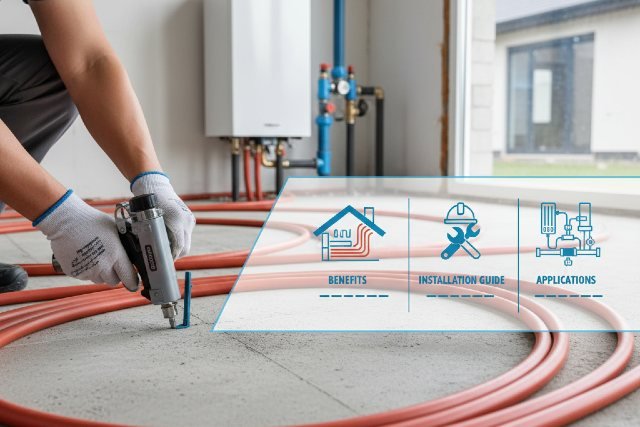

When considering modern plumbing and heating systems, polyethylene of raised temperature resistance (PE RT) pipe stands out. In this article we will explore what PE‑RT pipe is, its key advantages, wide-ranging applications and a step-by-step installation guide. Whether you are a homeowner, plumbing professional or engineer, understanding PE RT pipe will help you make better choices for your next project.
Here we’ll also address common questions and provide actionable tips so you can apply these insights with confidence.
What is PE RT Pipe?
PE RT stands for Polyethylene of Raised Temperature Resistance. It is a thermoplastic piping material formulated to withstand elevated temperatures and pressures compared to standard polyethylene.
Key features:
- Engineered molecular structure (tie-chains) to resist temperature-induced deformation.
- Flexible and lightweight, making handling and installation easier.
- Available in solid wall or multilayer composite forms (sometimes with aluminium barrier).
In short: if you need a plastic pipe that can handle hot-water service, hydronic heating, or versatile plumbing usage with less corrosion risk — PE RT is a strong contender.
Benefits of PE RT Pipe
Let’s review the major benefits you’ll get when choosing PE RT pipe for your system.
1. Durability & Temperature Resistance
PE RT pipe is built for applications where temperatures are higher than those standard polyethylene pipes can manage. For example:
- It can handle continuous operation in elevated temperatures (-49 °F to ~180 °F) in some formulations.
- It resists stress-cracking, chemical corrosion, tuberculation and deposit buildup — all of which can degrade pipe performance.
- This makes it especially suited for hot-water distribution and heating systems.
2. Flexibility & Ease of Installation
Because of its material properties:
- PE RT pipe bends more easily than rigid metal or some other plastic pipes — reducing need for joints and fittings.
- It’s lightweight and easier to transport, cut and handle on-site.
- Fewer joints = fewer potential leak points, faster installation times, and lower labour cost.
3. Corrosion, Scale & Maintenance Advantages
- Unlike metal piping, PE RT won’t rust or suffer galvanic corrosion.
- Cleaner internal surface means less scale, fewer deposits and better long-term flow.
- It’s recyclable, doesn’t use cross-linking chemicals (in many cases) and has a smaller environmental footprint.
4. Cost & Energy Efficiency
- Lower material cost than some traditional piping (like copper) for many applications.
- Because of reduced thermal losses and easier installation, energy and labour savings follow.
- Long lifespan means less frequent replacements and lower lifecycle cost.
Summary Table of Benefits
| Benefit | Why it matters |
|---|---|
| Temperature & pressure resilience | Handles hot water/heating systems reliably |
| Flexibility & ease of installation | Fewer joints, quicker installation, lower labour cost |
| Corrosion/scale resistance | Better flow, fewer maintenance issues |
| Cost & energy efficiency | Lower upfront + operating costs |
Applications of PE RT Pipe
Where can PE RT pipe be used? A broad range of applications across residential, commercial and industrial domains.
1. Hot & Cold Water Supply
For both residential and commercial buildings, PE RT pipe is suitable for potable water systems (both hot and cold). Its flexibility and durability make it a strong choice for water distribution.
2. Hydronic Heating & Radiant Floor Systems
PE RT is commonly used in radiant floor heating, wall heating, and ceiling cooling systems where hot water circulates through loops of pipe embedded in or behind surfaces.
3. Snow & Ice Melting Systems
Outdoor systems such as driveways, sidewalks or sports surfaces can employ PE RT tubing to circulate heated fluid to melt snow or ice.
4. Geothermal & Ground-Source Heat Systems
Because PE RT pipe can tolerate a wide temperature range and is flexible for long runs, it’s used in ground-loop and borehole geothermal systems.
5. Industrial and High-Temperature Applications
Manufacturers offer high spec PE RT (e.g., the “PlatinumStripe® 1800 Series”) for mining, oil & gas gathering, or other industrial use where elevated temperature, high stress, or chemical resistance matter.
Key Application Summary
- Residential hot & cold water systems
- Commercial plumbing and heating distribution
- Radiant heating/cooling systems
- Snow/ice melt & turf conditioning
- Ground-source geothermal loops
- Industrial high-temperature pipelines
How to Install PE RT Pipe – Step-by-Step Guide
Here’s a detailed installation guide for PE RT pipe including preparation, joining methods, testing and best practices.
Step 1: Planning & Preparation
- Confirm system design: water supply, heating loops, building layout, pressure/temperature requirements.
- Select the correct PE RT type (solid wall vs multilayer barrier) based on specs.
- Ensure all tools, fittings, and accessories are ready. Clean workspace, no debris.
- Review local plumbing codes/standards relevant to PE RT installations.
Step 2: Cutting & Measuring
- Determine the run lengths; use coils or straight lengths.
- Cut the pipe using a pipe cutter or saw, ensuring a clean, square end.
- Deburr the cut ends if required.
Step 3: Joining Methods
There are different methods to join PE RT pipe depending on system and fittings:
- Mechanical fittings (compression, push-fit)
- Heat fusion or welding (for some systems)
- Crimp or clamp fittings for certain barrier pipes
When selecting fittings and method, always follow manufacturer guidance.
Step 4: Routing & Installation
- Lay the pipe according to plan; because PE RT is flexible you can often curve the run smoothly, decreasing need for elbows.
- Secure the pipe in place using supports or hangers as required.
- Avoid excessive bending stress; follow minimum bend radius recommendations from manufacturer.
- Keep the pipe clear of sharp objects, heat sources, or areas of high abrasion.
Step 5: Pressure/Leak Testing
- Once installed but before insulation/back-fill, perform a pressure or leak test in accordance with local code and manufacturer instructions.
- During testing, monitor for pressure drop, visible leaks, pipe deformation.
- For heating loops, pressurize with water or inert gas (depending on system) for recommended duration.
Step 6: Insulation, Back-fill & Commissioning
- After testing, insulate exposed runs as required for energy efficiency or freeze protection.
- In embedded applications (e.g., slab, floor heating) ensure correct embedment material and spacing is used.
- Commission the system: flush water if required, check flow rates, temperature differences, ensure no flow alarms, etc.
Step 7: Operation & Maintenance Tips
- Inspect periodically for visible damage, fittings integrity, thermal insulation.
- Monitor system pressures and temperatures over time; any unexpected changes may indicate issue.
- Though PE RT is low-maintenance, achieving full lifespan still relies on good installation quality and good system operation.
Installation Best Practice Checklist
- Confirm correct material grade, size, pressure & temperature rating
- Ensure minimum bend radius is respected
- Use approved fittings and joining methods
- Perform leak/pressure testing before full commissioning
- Insulate and protect exposed runs properly
- Maintain documentation and installation records
PE RT vs Alternative Pipes (e.g., PEX, Copper)
It’s useful to compare PE RT with other common piping materials to identify when PE RT is the better choice.
Comparison Highlights
- PE RT vs PEX: PE RT does not require cross-linking (in many cases) whereas PEX does; PE RT often offers higher temperature/pressure ratings and easier recyclability.
- PE RT vs Copper: Copper is rigid, heavy, expensive, subject to corrosion and scale under certain water chemistries. PE RT is lightweight, corrosion-resistant, and easier to install in many layouts.
- When to choose PE RT: When you have hot-water distribution, hydronic heating, need flexibility in routing, anticipate long service life, or require better resistance to high temps/pressures.
- When another might be better: If temperatures exceed what PE RT qualifies for, or you require metal piping for fire-rating or specific approval, or you’re constrained to existing old system layouts where metal is mandated.
Common Questions (FAQ)
Q1: What is the maximum temperature PE RT pipe can handle?
Most PE RT systems are rated up to ~80 °C (176 °F) for standard plumbing/hydronic use; industrial variants can handle higher, e.g., –49 °F to 180 °F (-45 °C to ~82 °C).
Q2: Is PE RT suitable for potable (drinking) water?
Yes — it is approved in many model plumbing/mechanical codes for potable hot & cold water service.
Q3: Can PE RT be used in radiant floor heating?
Absolutely — it is commonly used for radiant floor, wall and ceiling heating/cooling loops due to its flexibility and thermal performance.
Q4: Is PE RT installation difficult?
Compared to many rigid pipe systems, PE RT is typically easier — fewer fittings, less labour, simpler handling. Still, correct joining and testing are essential to ensure long-term reliability.
Q5: How long will a PE RT piping system last?
Given proper installation and operation, service lives of 50 to 100 years or more are feasible (depending on subject conditions).
Real-World Example / Scenario
Imagine you are renovating a multi-storey residential building in Karachi and want to upgrade the hot-water distribution system. You choose PE RT pipe because:
- It can be routed through tight spaces with minimal joints (thanks to flexibility).
- It handles the high temperature of the water circulating from the boiler and distribution manifold.
- It resists corrosion from water supply conditions (which may vary).
- Installation time is reduced (less downtime for residents).
- The life cycle cost is lower than if you used copper or rigid metal pipes, especially considering maintenance, labour and downtime.
By following the installation steps above (planning, preparing, correct routing, pressure testing, insulation) you ensure a high-quality outcome.
Installation Tips Specific to Pakistan / Local Conditions
- In Karachi’s climate, temperature fluctuations and water quality variability make corrosion resistance (of PE RT) particularly attractive.
- Ensure suppliers provide certified PE RT pipe that meets relevant standards (check for recognized certification, traceability).
- For buried or embedded runs: ensure proper bedding, back-fill material and avoid contact with sharp debris or aggressive soil.
- For hot-water supply: insulate exposed pipes (especially in unconditioned spaces) to reduce heat loss and avoid excessively hot surfaces.
- Train installers in correct joining techniques and testing protocols — local labour might be less familiar with newer materials like PE RT.
- Maintain access points for future maintenance or inspection (e.g., manifolds, valves, accessible loops).
Conclusion
In summary, choosing PE RT pipe offers a modern, efficient, durable solution for hot and cold water systems, hydronic heating, radiant loops and a host of other plumbing/pipe applications. From its high temperature resistance, flexibility and ease of installation, to its long-term cost and maintenance advantages, PE RT pipe is a smart upgrade from many traditional materials.
Whether you’re specifying for a new build or renovating an existing system, understanding the benefits, applications and correct installation practices will help ensure your piping system delivers performance, reliability and value for years to come.
















Leave a comment