

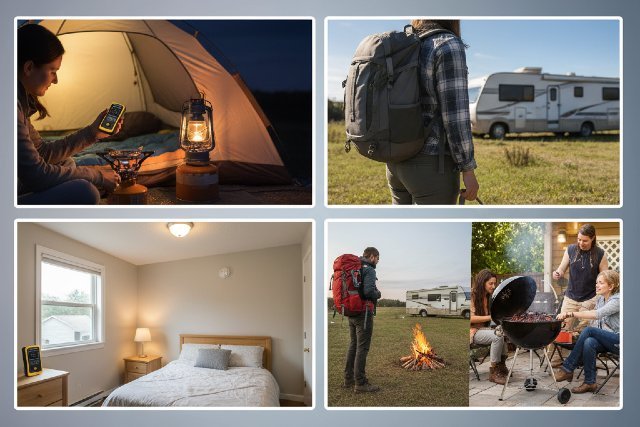

A portable CO detector is one of the most important safety devices you can carry, whether you’re traveling, camping, staying in hotels, or working around fuel-burning equipment. Carbon monoxide (CO) is an invisible, odorless gas that can be deadly within minutes — yet it’s fully preventable with the right detection tools.
In this guide, you’ll learn where to place a portable CO detector, how to use it safely, common mistakes to avoid, and expert-backed safety tips to protect yourself and your family.
What Is a Portable CO Detector?
A portable CO detector is a battery-powered carbon monoxide monitor designed for travel, temporary installation, and mobile safety situations. Unlike wall-mounted home detectors, portable versions are lightweight and compact, making them ideal for:
- Hotels and Airbnbs
- Car, RV, and van life
- Camping tents and cabins
- Workshops, garages & job sites
- Emergency preparedness kits
Most models include features such as digital readouts, peak level monitoring, loud alarms, and long-lasting batteries.
Why Carbon Monoxide Is So Dangerous
Carbon monoxide poisoning is a serious risk. Because CO is colorless and odorless, it’s impossible to detect without a device.
Common Sources of CO Include:
- Gas heaters & furnaces
- Gas stoves
- Fireplaces
- Generators
- Car exhaust
- Fuel-burning lanterns
- Portable heaters
According to the CDC, carbon monoxide poisoning sends more than 20,000 people to the emergency room each year and kills hundreds.
A portable CO detector offers early warnings that can save your life.
Where to Use a Portable CO Detector (Best Locations)
To ensure accurate readings and quick response times, placement is essential.
1. Near Sleeping Areas
Place it on a nightstand or wall shelf.
You need alerts while asleep — poisoning often occurs overnight.
2. Inside Hotel Rooms or Vacation Rentals
Travel accommodations vary widely in safety standards. A portable CO detector gives peace of mind.
Best placement:
- Near the bed
- Away from vents or windows
- Midroom height
3. In RVs, Vans, & Campers
Fuel-burning appliances increase risk significantly.
Place your detector:
- Near the sleeping area
- Close to the kitchen/cooking zone
- At breathing level
4. In Tents & Camping Shelters
Especially when using heaters or stoves outdoors nearby.
Place:
- Just inside the tent entrance
- Away from the direct heat source
5. Workshops & Garages
If using tools, vehicles, or gas-powered equipment.
Place:
- On a tool bench
- At least 5 ft away from vehicles or machinery
- Shoulder height
Where NOT to Place a CO Detector
Improper placement can give false readings or delay detection.
Avoid placing a portable CO detector:
- Directly next to windows or drafts
- Near fans, vents, or HVAC outlets
- On the floor
- Inside cabinets
- Next to cooking appliances
- In extremely humid areas (bathrooms)
- Within 5 ft of fuel-burning sources
- Outdoors in open air (CO dissipates quickly)
Using these guidelines ensures accurate detection.
How to Use a Portable CO Detector Properly
1. Turn it on before entering the environment
Start monitoring early — especially in hotels or RVs.
2. Place it at breathing height
CO mixes evenly in the air; mid-level placement works best.
3. Test the alarm regularly
Press and hold the test button until the alarm sounds.
4. Check the battery before travel
Low batteries reduce reliability.
5. Read the digital display often
Some detectors show low-level CO exposure long before alarms sound.
6. Respond immediately to alerts
If your portable CO detector goes off:
- Leave the area immediately
- Get fresh air
- Call emergency services
- Do NOT re-enter until cleared
Common Mistakes to Avoid
Many users don’t realize mistakes that compromise safety.
Never:
- Ignore low-level alerts
- Silence or cover the detector
- Leave it in a bag or backpack while using it
- Assume hotels or rentals have their own detectors
- Use it while turned upside down (affects sensor orientation)
Proper use = proper protection.
Maintenance Tips for Portable CO Detectors
Portable CO detectors last longer with regular maintenance.
Follow manufacturer recommendations, including:
- Replace unit every 5–7 years (CO sensors expire)
- Change batteries annually or before trips
- Keep vents clean and dust-free
- Store in a cool, dry environment
- Test monthly
Using expired detectors is unsafe — they become unreliable over time.
Travel Safety: Using a Portable CO Detector in Hotels & Rentals
Many hotels lack CO detectors. A portable CO detector protects you anywhere you stay.
Best practices:
- Put it on the nightstand
- Keep it 3–6 ft from the bed
- Avoid placing it near windows or air conditioners
- Start it before settling in
Example scenario:
A family traveling during winter placed a portable detector in their cabin. Overnight, it alerted them to a failing heater — preventing carbon monoxide poisoning.
Portable detectors can truly save lives.
Camping, RV & Outdoor Use
Fuel-burning appliances used outdoors or inside campers pose major CO risks.
Use detectors when:
- Running a generator
- Heating a tent or camper
- Using a grill or stove near sheltered areas
- Sleeping in enclosed spaces
Best placement:
- Near sleeping areas
- Mid-height inside RVs
- Just inside tent entrances
Frequently Asked Questions (FAQ)
1. Do I really need a portable CO detector when traveling?
Yes. Many hotels, rentals, and cabins do not have working CO detectors installed.
2. Can I use a portable CO detector in a car?
Yes, but only when the car is parked or you suspect ventilation issues—never use it as a driving distraction.
3. How long do portable detectors last?
Most have a lifespan of 5–7 years based on sensor degradation.
4. Are portable CO detectors accurate?
Yes — when used correctly and maintained. UL-certified units meet strict safety standards.
5. Do I need more than one detector?
For RVs, cabins, or large spaces, yes — multiple detectors offer better coverage.
Conclusion: Why a Portable CO Detector Is Essential for Safety
A portable CO detector is an affordable, life-saving tool that everyone should carry while traveling, camping, or staying in unfamiliar places. With proper placement, regular maintenance, and smart safety habits, you can drastically reduce the risk of carbon monoxide poisoning.
Whether you’re sleeping in a hotel, cooking in an RV, warming up a tent, or working near fuel-burning tools, a portable CO detector provides essential protection, early warnings, and total peace of mind.














Leave a comment