

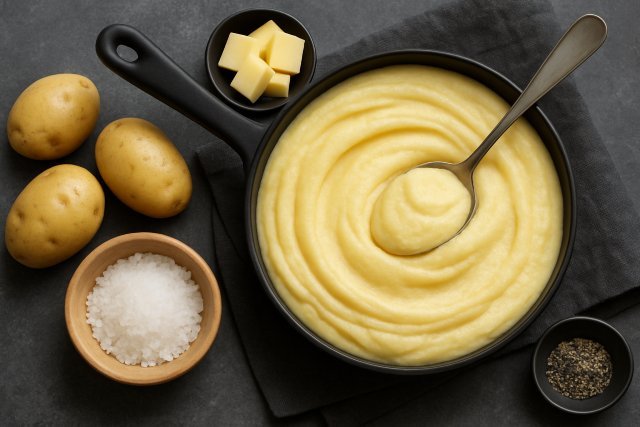

Potato mousseline is more than just mashed potatoes — it’s a luxurious, velvety side dish that balances creaminess, lightness, and rich flavor. Whether you’re preparing a fine-dining meal or elevating a weeknight dinner, mastering potato mousseline requires attention to technique. In this guide, you’ll learn the best potato mousseline recipe, expert tips for perfect texture, and answers to common questions home cooks ask.
What Is Potato Mousseline? (Definition for Snippets)
Potato mousseline is a refined, airy variation of mashed potatoes made by combining puréed potatoes with butter, cream, and sometimes whipped cream to achieve a light, silky, mousse-like texture.
Ingredients You’ll Need for the Perfect Potato Mousseline
Using the right ingredients directly impacts flavor and texture. High-starch potatoes and high-fat dairy make mousseline exceptionally smooth and decadent.
Primary Ingredients
- 2 lbs (900 g) Yukon Gold or Russet potatoes
- 1 cup heavy cream (warm)
- ½ cup unsalted butter (cold, cubed)
- Salt and white pepper (to taste)
- Optional: ½ cup whipped cream for added lightness
Recommended Add-Ins
- Nutmeg (a pinch for warmth)
- Roasted garlic (for deeper flavor)
- Truffle oil or truffle butter (restaurant-quality upgrade)
- Parmesan or Gruyère cheese (savory richness)
Step-by-Step Potato Mousseline Recipe
Follow these steps to create the creamiest, most luxurious potato mousseline.
1. Choose the Right Potato Variety
Selecting potatoes with the correct starch content ensures a smooth texture.
| Potato Type | Starch Level | Best For |
|---|---|---|
| Russet | High | Ultra-fluffy mousseline |
| Yukon Gold | Medium | Creamy, buttery mousseline |
| Fingerling | Low | Not recommended |
Pro Tip: Many chefs prefer a 50/50 blend of Russet and Yukon Gold for the perfect balance of creaminess and aeration.
2. Cook the Potatoes Properly
- Peel and cut the potatoes into uniform chunks.
- Place in cold, salted water, then bring to a boil.
- Simmer 15–20 minutes until fork-tender.
Avoid overcooking: Waterlogged potatoes can become gluey during mixing.
3. Dry the Potatoes
After draining:
- Return potatoes to the warm pot.
- Heat on low for 1–2 minutes to evaporate excess moisture.
This step is essential for achieving a fluffy texture.
4. Mash or Purée the Right Way
To avoid gummy potatoes:
- Use a potato ricer or food mill — never a blender or food processor.
- Purée the potatoes while warm for the smoothest results.
This preserves the signature airy consistency of potato mousseline.
5. Emulsify With Butter
Add cold, cubed butter gradually:
- Fold in gently using a spatula.
- Mix until fully incorporated before adding cream.
The cold-butter method creates a glossy, silky-smooth finish.
6. Add Warm Cream Slowly
Warm cream integrates smoothly and prevents separation.
- Pour in a little at a time.
- Stir gently until your mousseline reaches the desired consistency.
7. Optional: Fold in Whipped Cream
This step transforms traditional mashed potatoes into true mousseline with a cloud-like texture.
- Whip cream to soft peaks.
- Fold into the potato mixture very gently.
This is the key to restaurant-quality lightness.
Tips for Achieving the Perfect Texture
Here are expert strategies used in professional kitchens:
Use White Pepper Instead of Black
It avoids visual specks and maintains a smooth, uniform finish.
Warm All Ingredients (Except Butter)
Cold ingredients create lumps and uneven texture.
Don’t Overwork the Potatoes
Overmixing releases excess starch, causing gumminess.
Taste and Adjust
Small adjustments (salt, cream, butter) make a big difference in mouthfeel.
Add Aromatics to the Cream
Infuse your cream with:
- Garlic
- Thyme
- Bay leaf
Strain before mixing for subtle flavor depth.
Serving Suggestions
Great Pairings
- Roast chicken or turkey
- Braised short ribs
- Seared salmon
- Beef Wellington
- Herb-crusted lamb chops
Plating Style (Fine Dining)
- Use a piping bag for elegant swirls
- Add microgreens or a drizzle of truffle oil
- Serve in warm dishes to maintain texture
Common Mistakes to Avoid
1. Using the Wrong Tools
Food processors break starch molecules → gluey texture.
2. Ignoring Temperature
Cold dairy = lumpy potatoes.
3. Overseasoning Early
Salt intensifies over time; season gradually.
4. Adding Cream Too Quickly
This causes runny, loose mousseline.
Frequently Asked Questions (FAQ)
1. What’s the difference between potato mousseline and mashed potatoes?
Mashed potatoes are denser and rustic; mousseline is lighter, creamier, and more refined due to the inclusion of whipped cream and proper emulsification techniques.
2. Can I make potato mousseline ahead of time?
Yes — up to 24 hours before serving. Reheat gently over a double-boiler, adding a splash of warm cream to restore texture.
3. Why did my potato mousseline turn sticky?
This happens when potatoes are overworked or mixed using the wrong equipment (like a blender). Stick to a ricer or food mill.
4. Can I freeze potato mousseline?
Freezing is not recommended. The texture may become grainy once thawed due to dairy separation.
5. How do restaurants make their mousseline taste so rich?
They use high-fat butter, properly emulsify, and incorporate techniques like infused cream and whipped cream.
Conclusion: Mastering the Perfect Potato Mousseline
Achieving a flawless, silky-smooth potato mousseline is all about technique — selecting the right potatoes, handling dairy properly, and using the right tools. With the steps and tips in this guide, you’ll be able to create a luxurious side dish that elevates any meal, from holiday feasts to elegant dinner parties. The creamy, airy texture of potato mousseline transforms simple ingredients into an unforgettable culinary experience.
















Leave a comment