

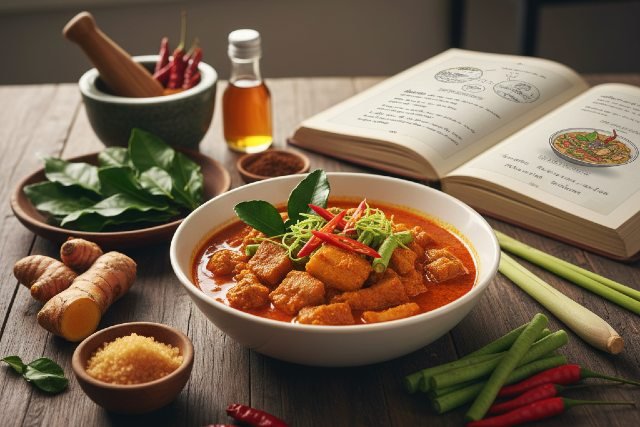

Prik khing is one of Thailand’s most iconic curry pastes, loved for its bold flavor, fragrant herbs, and dry-fry cooking method that produces uniquely crisp and aromatic dishes. Unlike many Thai curries, prik khing contains no coconut milk, giving it a distinctive taste and texture that stands apart from other chili pastes.
In this guide, we break down the ingredients that make prik khing special, explore its cultural and historical roots, and highlight the surprising health benefits tied to its herbs and spices. Whether you’re a home cook, food enthusiast, or someone discovering Thai cuisine for the first time, this comprehensive explanation will help you understand exactly what makes prik khing so remarkable.
What Is Prik Khing? A Complete Overview
Prik khing (sometimes spelled phrik khing or prik king) is a traditional Thai chili paste made from red chilies, lemongrass, garlic, galangal, kaffir lime leaves, and shrimp paste. It is used primarily in dry-style curry stir-fries, especially dishes like:
- Prik khing pork
- Green beans with prik khing paste
- Crispy pork belly prik khing
- Vegetarian prik khing tofu
Unlike most Thai curries such as red curry or panang curry, prik khing contains little to no liquid, making it ideal for wok-fried dishes with crispy textures.
History of Prik Khing: Origins in Traditional Thai Cuisine
The origins of prik khing can be traced back several centuries to central Thailand, where early versions of chili pastes were developed using native herbs and imported spices. The name “prik khing” itself is somewhat mysterious — some historians believe the “khing” (meaning ginger) refers not to actual ginger, but to galangal, which was sometimes mistranslated by early Western researchers.
Historical Influences
- Chinese Trade: Stir-frying techniques integrated into Thai cooking during early Chinese trade routes, creating dry-style curry dishes like prik khing.
- Indian Spices: Curry paste traditions in Thailand bear influence from Indian masalas and spice blends, but prik khing evolved into a uniquely Thai creation with more emphasis on fresh herbs than dried spices.
- Regional Adaptation: Over time, different provinces developed their own versions. Some include more kaffir lime rind for aroma, while southern variations incorporate more chilies for heat.
Today, prik khing is found throughout Thailand, popular in both home kitchens and street-food markets.
Ingredients in Prik Khing: A Detailed Breakdown
The unique flavor of prik khing comes from a combination of aromatic herbs, fiery chilies, and savory components. Here’s a complete breakdown of the traditional recipe.
Essential Ingredients in Traditional Prik Khing Paste
| Ingredient | Role in Flavor | Health Benefits |
|---|---|---|
| Dried Red Chilies | Heat, color | High in antioxidants and capsaicin |
| Lemongrass | Fragrance, citrus notes | Supports digestion and reduces inflammation |
| Galangal | Earthy, spicy aroma | May improve gut health and immunity |
| Garlic | Savory depth | Known for antibacterial and anti-inflammatory properties |
| Shallots | Sweet balance | Supports digestion |
| Kaffir Lime Leaves/Zest | Bright aroma | Contains natural detoxifying compounds |
| Shrimp Paste (kapi) | Umami richness | Adds protein and fermented nutrients |
| Salt | Preserves and seasons | Enhances natural flavors |
Additional Optional Ingredients
Some prik khing varieties may include:
- Coriander root
- White pepper
- Palm sugar
- Fresh turmeric
- Thai basil
These variations create regional differences that add richness to Thailand’s culinary diversity.
How Prik Khing Is Made: Paste Preparation and Cooking Style
Making prik khing traditionally involves pounding ingredients in a granite mortar and pestle to release oils and fragrance.
The steps typically include:
- Soaking and softening dried red chilies
- Pounding chilies with salt to break them down
- Adding lemongrass, garlic, galangal, and shallots
- Incorporating kaffir lime zest for citrus aroma
- Blending in shrimp paste for umami and depth
When cooked, prik khing is stir-fried until aromatic, then combined with proteins or vegetables. Notably, no coconut milk is used, giving it a drier consistency compared to red or green curry.
Why Prik Khing Stands Out Among Thai Curry Pastes
Prik khing is unique because of its combination of chili heat, fresh aromatics, and dry stir-fry method. Here’s how it compares to similar pastes:
Comparison with Other Thai Curry Pastes
| Curry Paste | Contains Coconut Milk? | Flavor Profile | Main Use |
|---|---|---|---|
| Prik Khing | No | Dry, spicy, aromatic | Stir-fries |
| Red Curry | Yes | Creamy, spicy | Soups, saucy curries |
| Panang Curry | Yes | Sweet, mild, nutty | Thick curries |
| Green Curry | Yes | Spicy, herbal | Soups and curries |
Its dry nature allows meats and vegetables to crisp while absorbing flavor — creating dishes with both texture and intensity.
Health Benefits of Prik Khing: Nutritional and Medicinal Value
Prik khing is not only delicious but also surprisingly nutrient-dense due to its herbal ingredients. Here are notable health advantages supported by research.
1. Anti-Inflammatory Properties
Ingredients like galangal, lemongrass, and kaffir lime leaves contain natural anti-inflammatory compounds. According to a study published in the Journal of Ethnopharmacology, galangal demonstrates significant anti-inflammatory effects.
2. Immune System Support
Garlic and chilies support immune function. Research from Harvard Health highlights garlic’s antibacterial and antiviral properties.
3. Digestive Benefits
Lemongrass and shallots help reduce bloating and support healthy digestion.
4. Antioxidant Power from Chilies
Capsaicin, found in red chilies, may help reduce oxidative stress.
External reference: National Institutes of Health (NIH) research shows capsaicin’s potential antioxidant properties.
5. Low in Calories
Prik khing dishes are generally low-calorie, especially when prepared with lean proteins or vegetables.
6. Fermented Foods for Gut Health
Shrimp paste, a fermented ingredient, supports beneficial bacteria in the digestive system.
How to Use Prik Khing in Cooking
Prik khing is versatile, making it easy to incorporate into many dishes. Here are common uses:
Popular Prik Khing Dishes
- Prik khing pork stir-fry
- Crispy pork belly with prik khing paste
- Stir-fried green beans with prik khing
- Vegetarian prik khing with tofu or tempeh
- Fish, shrimp, or chicken prik khing
Cooking Tips for Best Results
- Fry the prik khing paste in oil first to release aroma.
- Add kaffir lime leaves for extra brightness.
- Use long beans or green beans for crunch.
- Avoid adding liquids to maintain authentic dry texture.
Prik Khing Variations: Regional & Modern Versions
Thai cuisine is highly regional, and prik khing is no exception.
Central Thai Prik Khing
- Most traditional version
- Balanced heat and citrus aroma
Southern Thai Prik Khing
- Spicier and saltier
- Often includes turmeric
Vegetarian/Vegan Prik Khing
- Made without shrimp paste
- Uses soy sauce, miso, or fermented soybean paste as substitutes
Ready-Made Prik Khing Pastes
Available in Asian markets, though homemade versions offer fresher flavor.
How to Store Prik Khing Paste
Proper storage ensures long-lasting freshness.
Storage Methods
- Refrigerator: Lasts 1–2 weeks in an airtight container
- Freezer: Lasts up to 6 months; divide into small portions
- Vacuum-sealed: Can prolong shelf life even further
Frequently Asked Questions About Prik Khing
1. What does prik khing taste like?
It is spicy, fragrant, and slightly sweet with citrus notes from kaffir lime leaves. Unlike other Thai curries, it has no creamy or soupy texture.
2. Is prik khing very spicy?
It can be moderately to very spicy depending on the chili ratio. Traditional versions use sun-dried Thai chilies which deliver significant heat.
3. Can prik khing be made vegan?
Yes. Replace shrimp paste with miso, fermented soybeans, or vegan fish sauce.
4. What protein works best with prik khing?
Crispy pork belly is the most famous pairing, but chicken, tofu, tempeh, shrimp, and fish all work well.
5. How is prik khing different from red curry?
Prik khing is dry and used for stir-fries, while red curry includes coconut milk and is usually served as a soup or saucy dish.
Conclusion: Why Prik Khing Is a Must-Try Thai Flavor
Prik khing stands out in Thai cuisine for its bold flavor, aromatic herbs, and unique dry stir-fry technique. With ingredients like chilies, lemongrass, garlic, and kaffir lime leaves, prik khing delivers not only powerful taste but also notable health benefits such as improved digestion, immune support, and antioxidant protection.
Whether you cook it traditionally with crispy pork belly or adapt it into a vegan stir-fry, prik khing offers a flexible and flavorful introduction to authentic Thai cooking. Its history, cultural significance, and health-promoting ingredients make it a dish worth exploring for both home chefs and food lovers.















Leave a comment