


Rare butterflies are among the most beautiful and fragile indicators of our planet’s ecological health. In the first moments of learning about rare butterflies, many people are surprised to discover how closely their survival is tied to climate stability, plant diversity, and responsible land use. These insects are not just visually stunning; they play a critical role in pollination and ecosystem balance.
Across the world, populations of rare butterflies are declining at alarming rates. Habitat loss, climate change, and pollution are pushing many species toward extinction. Understanding rare butterflies and the conservation efforts designed to protect them is essential for preserving biodiversity for future generations.
This article explores endangered butterfly species, the reasons behind their decline, and the global conservation initiatives working to protect rare butterflies and their habitats.
What Are Rare Butterflies?
Rare butterflies are species with limited populations, restricted geographic ranges, or highly specialized habitat requirements. Some are naturally rare due to evolutionary factors, while others have become rare because of human activity.
Many rare butterflies depend on specific host plants for survival. If those plants disappear, the butterflies cannot complete their life cycle. According to the International Union for Conservation of Nature (IUCN), insects make up a significant portion of threatened species worldwide, with butterflies among the most vulnerable.
Rare butterflies are often used as bioindicators, meaning their presence or absence reflects the overall health of an ecosystem.
Why Rare Butterflies Matter to Ecosystems
Butterflies play an essential role in pollination, supporting both wild plants and agricultural systems. Rare butterflies, despite their small populations, often pollinate specific plant species that other insects do not.
Their larvae also contribute to food webs, serving as prey for birds, reptiles, and other insects. The loss of rare butterflies can trigger cascading effects across ecosystems.
Research published by the World Wildlife Fund shows that declining butterfly populations often signal broader environmental degradation, making their conservation critically important.
Major Causes Behind the Decline of Rare Butterflies
Habitat Loss and Fragmentation
The leading cause of rare butterfly decline is habitat destruction. Urban expansion, agriculture, and deforestation reduce the availability of host plants and breeding grounds.
Fragmented habitats isolate butterfly populations, limiting genetic diversity and increasing extinction risk. Even small changes in land use can have devastating effects on rare butterflies.
Climate Change and Temperature Shifts
Climate change is altering temperature and rainfall patterns, disrupting butterfly migration, breeding, and feeding cycles. Rare butterflies with narrow climate tolerances are especially vulnerable.
Studies by the Intergovernmental Panel on Climate Change indicate that many insect species may lose over 50% of their suitable habitat by the end of the century if warming continues.
Pesticides and Pollution
Widespread pesticide use harms butterflies at every life stage. Larvae are particularly sensitive to chemical exposure, which can reduce survival rates dramatically.
Air and water pollution also degrade habitats and weaken host plants, indirectly affecting rare butterflies.
Examples of Rare and Endangered Butterflies
The Palos Verdes Blue Butterfly
The Palos Verdes blue butterfly, native to California, was once declared extinct before being rediscovered in the 1990s. Its survival depends on a single coastal habitat and specific host plants.
Conservation efforts, including captive breeding and habitat restoration, have helped stabilize its population. This species demonstrates how targeted action can save rare butterflies from extinction.
The Queen Alexandra’s Birdwing
Queen Alexandra’s birdwing is one of the largest butterflies in the world and one of the rarest. Found only in Papua New Guinea, it is threatened by deforestation and illegal trade.
The Convention on International Trade in Endangered Species (CITES) strictly regulates its protection, highlighting the global importance of conserving rare butterflies.
The Large Blue Butterfly
Once extinct in the United Kingdom, the large blue butterfly has been successfully reintroduced through careful habitat management. Its life cycle depends on a complex relationship with specific ants and plants.
This case study is often cited by conservationists as proof that understanding ecological relationships is key to saving rare butterflies.
Global Conservation Efforts for Rare Butterflies
Habitat Restoration and Protection
Protecting and restoring habitats is the most effective way to conserve rare butterflies. Conservation organizations work to preserve grasslands, forests, and wetlands that support butterfly life cycles.
The Nature Conservancy emphasizes that habitat conservation benefits not only butterflies but entire ecosystems and local communities.
Captive Breeding and Reintroduction Programs
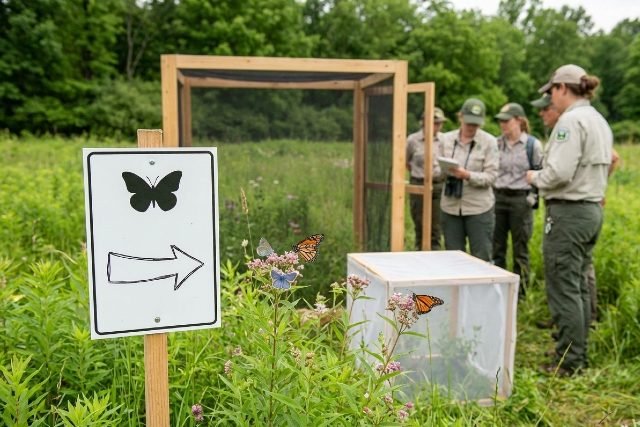
Captive breeding programs help rebuild populations of critically endangered butterflies. Once conditions improve, individuals are reintroduced into restored habitats.
While controversial, these programs have proven successful when combined with long-term habitat management.
Legal Protection and Policy Initiatives
Many rare butterflies are protected under national and international laws. Wildlife protection acts and biodiversity strategies aim to reduce habitat destruction and pesticide use.
The IUCN Red List plays a vital role by identifying threatened butterfly species and guiding conservation priorities.
The Role of Citizen Science in Butterfly Conservation
Citizen science projects have become powerful tools in monitoring rare butterflies. Enthusiasts and volunteers record sightings, helping scientists track population trends and distribution.
Programs such as Butterfly Monitoring Schemes provide valuable long-term data that would otherwise be impossible to collect at scale.
According to research published in Biological Conservation, citizen-collected data significantly improves conservation planning for rare butterflies.
How Gardens and Local Actions Help Rare Butterflies
Individual actions can make a meaningful difference. Creating butterfly-friendly gardens with native plants supports both common and rare species.
Reducing pesticide use and preserving wild areas encourages healthy butterfly populations. Even small urban gardens can act as stepping stones between habitats.
Conservation groups like the Xerces Society emphasize that community-level action is essential for protecting rare butterflies.
Common Questions About Rare Butterflies
Why Are Rare Butterflies More Vulnerable Than Other Insects?
Rare butterflies often rely on very specific habitats and host plants. This specialization makes them less adaptable to environmental changes.
Can Rare Butterflies Recover From Near Extinction?
Yes, recovery is possible with targeted conservation efforts. Successful reintroduction programs demonstrate that rare butterflies can rebound when conditions are right.
How Can Individuals Support Butterfly Conservation?
Supporting conservation organizations, planting native species, and reducing chemical use all contribute to protecting rare butterflies.
Economic and Cultural Importance of Rare Butterflies
Rare butterflies also have cultural and economic value. Ecotourism centered on butterfly watching supports local economies while promoting conservation awareness.
In many cultures, butterflies symbolize transformation and hope, reinforcing the emotional importance of protecting these species.
According to the United Nations Environment Programme, biodiversity conservation, including insects, is essential for sustainable development.
Scientific Research and the Future of Rare Butterflies
Ongoing research into genetics, climate resilience, and habitat connectivity is shaping the future of butterfly conservation. Scientists are using satellite data and modeling tools to predict habitat shifts.
Collaborative international research helps identify priority regions where rare butterflies face the greatest risk.
Advances in conservation science offer hope, but long-term success depends on sustained commitment and global cooperation.
Conclusion: Protecting Rare Butterflies for the Future
Rare butterflies are vital to ecosystem health, biodiversity, and cultural heritage. Their decline is a warning sign of broader environmental challenges that affect all life on Earth.
Through habitat protection, scientific research, policy action, and individual responsibility, it is possible to reverse current trends. Protecting rare butterflies is not just about saving beautiful insects; it is about preserving the delicate balance of nature for generations to come.
















Leave a comment