

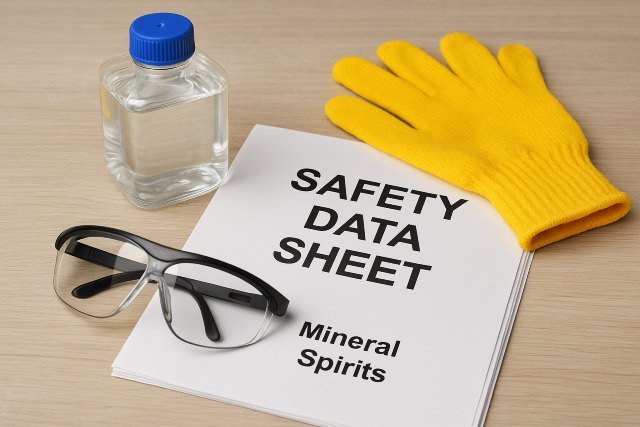

When working with solvents, understanding their safety information is critical. The safety data sheet mineral spirits provides essential guidance for handling, storing, and using this common solvent safely. Whether you’re a professional painter, mechanic, or DIY enthusiast, knowing how to interpret and apply the details from a Safety Data Sheet (SDS) can prevent accidents, protect your health, and ensure compliance with workplace safety regulations.
In this guide, we’ll break down what an SDS for mineral spirits contains, how to use the solvent responsibly, and the best practices for safe storage and disposal.
What Is a Safety Data Sheet (SDS)?
A Safety Data Sheet (SDS) is a standardized document that provides detailed information about a chemical product’s hazards, composition, safe handling, and emergency measures. It’s designed to inform users about the product’s risks and how to mitigate them.
Each SDS typically includes 16 sections, covering:
- Identification – Product name, manufacturer, and recommended use
- Hazard Identification – Health, environmental, and physical hazards
- Composition – Chemical ingredients and concentrations
- First-Aid Measures
- Fire-Fighting Measures
- Accidental Release Measures
- Handling and Storage
- Exposure Controls / Personal Protection
- Physical and Chemical Properties
- Stability and Reactivity
- Toxicological Information
- Ecological Information
- Disposal Considerations
- Transport Information
- Regulatory Information
- Other Information
The SDS for mineral spirits helps users manage exposure risks and maintain workplace safety.
Understanding Mineral Spirits
Mineral spirits, also known as white spirits or paint thinner, are petroleum-derived solvents commonly used for:
- Cleaning paintbrushes and tools
- Thinning oil-based paints
- Degreasing metal parts
- Preparing surfaces before painting
While effective, mineral spirits contain hydrocarbons that can be harmful if mishandled. Exposure may cause dizziness, skin irritation, or respiratory issues.
Key Safety Information from the Safety Data Sheet Mineral Spirits
1. Hazard Identification
According to most SDS documents for mineral spirits, the substance is classified as:
- Flammable Liquid (Category 3)
- Skin Irritant (Category 2)
- Aspiration Hazard (Category 1)
Signal Word: Danger
Hazard Statements:
- May cause drowsiness or dizziness
- Causes skin irritation
- May be fatal if swallowed and enters airways
- Flammable liquid and vapor
2. Safe Handling Precautions
Always follow these handling guidelines from the safety data sheet mineral spirits:
- Use only in well-ventilated areas.
- Avoid breathing vapors or mist.
- Keep away from heat, sparks, and open flames.
- Wear chemical-resistant gloves (e.g., nitrile) and eye protection.
- Do not smoke while using the product.
Tip: Always read the SDS section on exposure limits. The OSHA Permissible Exposure Limit (PEL) for mineral spirits is typically 500 ppm (TWA).
3. Proper Storage Methods
Safe storage is crucial to prevent fires or leaks. The SDS for mineral spirits recommends:
| Storage Requirement | Best Practice |
|---|---|
| Temperature | Store below 120°F (49°C) |
| Containers | Use approved, tightly sealed metal containers |
| Location | Keep away from oxidizers and incompatible materials |
| Ventilation | Ensure good airflow in storage areas |
| Labeling | Clearly label containers with product name and hazard warnings |
Avoid storing mineral spirits near pilot lights, furnaces, or any ignition sources.
Health Risks and First Aid Measures
Exposure to mineral spirits can occur through inhalation, skin contact, or ingestion. Below are the main health effects and emergency steps recommended by SDS guidelines:
| Exposure Route | Symptoms | First Aid Action |
|---|---|---|
| Inhalation | Dizziness, headache, nausea | Move to fresh air immediately; seek medical attention if symptoms persist |
| Skin Contact | Redness, dryness, irritation | Wash with soap and water; remove contaminated clothing |
| Eye Contact | Burning, watering, redness | Rinse eyes with clean water for at least 15 minutes |
| Ingestion | Nausea, vomiting, lung aspiration risk | Do not induce vomiting; contact poison control or a doctor immediately |
Personal Protective Equipment (PPE)
To minimize exposure, the SDS recommends using the following PPE when handling mineral spirits:
- Gloves: Nitrile or neoprene
- Eye Protection: Safety goggles or face shield
- Respiratory Protection: NIOSH-approved organic vapor respirator (if ventilation is poor)
- Clothing: Long sleeves and solvent-resistant apron
Fire and Spill Response
Fire Hazards:
Mineral spirits are flammable liquids with a flash point between 104°F and 145°F (40°C–63°C).
Use foam, dry chemical, or CO₂ extinguishers for small fires.
Spill Response:
- Eliminate ignition sources immediately.
- Ventilate the area.
- Absorb spilled liquid with sand, earth, or inert absorbent material.
- Dispose of waste according to local environmental regulations.
Environmental Impact and Disposal
Improper disposal of mineral spirits can harm soil and waterways. To protect the environment:
- Never pour mineral spirits down drains or onto the ground.
- Collect used solvent in a sealed container for hazardous waste pickup.
- Check with your local waste management facility for EPA-compliant disposal options.
Frequently Asked Questions (FAQ)
Q1: Can mineral spirits be reused?
Yes, after allowing contaminants to settle, you can carefully decant the clear solvent for reuse. However, always label the reused material properly.
Q2: Are odorless mineral spirits safer?
Odorless mineral spirits have fewer volatile compounds but still require the same safety precautions outlined in the safety data sheet mineral spirits.
Q3: How long does mineral spirits last in storage?
When properly sealed and stored, mineral spirits can last 3–5 years without degradation.
Best Practices for Safe Use
- Always review the SDS before use.
- Keep a printed copy of the SDS accessible in your workspace.
- Store away from children and pets.
- Dispose of rags soaked with mineral spirits in a metal container with a tight-fitting lid to prevent spontaneous combustion.
Conclusion
The safety data sheet mineral spirits is your go-to resource for handling this common solvent safely and responsibly. By following its guidelines for usage, storage, and disposal, you can minimize health and environmental risks while maintaining regulatory compliance.
Always remember: safety starts with knowledge — read the SDS before use, wear protective gear, and store mineral spirits in well-ventilated, fire-safe areas.












Leave a comment