

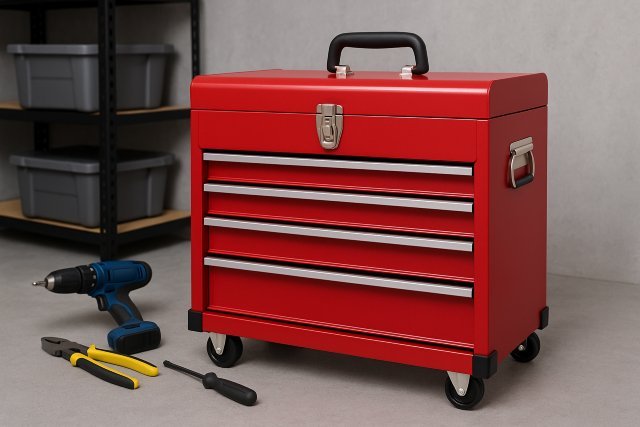

Finding the best tool box can make all the difference in keeping your tools organized, protected, and ready when you need them most. Whether you’re a homeowner, DIY enthusiast, mechanic, or tradesperson, the right tool box ensures efficiency, safety, and long-term durability. In this detailed guide, we compare top tool boxes for home, garage, and professional use to help you make an informed purchase.
This guide dives into must-have features, expert recommendations, real-world scenarios, and comparisons backed by credible sources — ensuring you choose the best tool box for your needs.
Why You Need the Best Tool Box for Every Work Environment
Tool organization affects productivity, safety, and tool lifespan. According to a study by The National Association of Professional Organizers, workers lose nearly one week per year due to time spent searching for misplaced tools. A high-quality tool box eliminates this problem by keeping everything secure, accessible, and well-arranged.
Whether you’re tightening a loose door hinge at home, managing dozens of tools in a garage, or working on-site as a technician, your tool storage solution must match your environment.
Types of Tool Boxes: Which One Is Right for You?
Before choosing the best tool box, it’s essential to understand the types available. Each design suits different purposes, budgets, and usage levels.
1. Portable Tool Boxes (Best for Home and DIY Use)
Portable tool boxes are lightweight, easy to carry, and ideal for homeowners.
Best For:
- Basic repairs
- DIY projects
- Small outdoor tasks
Pros:
- Affordable
- Compact and mobile
- Easy to store in closets or shelves
Cons:
- Limited capacity
- Not suitable for heavy-duty tools
2. Tool Bags (Great for Flexibility and Quick Access)
Tool bags are made from durable fabric such as nylon or canvas.
Best For:
- Electricians
- Plumbers
- Technicians on the move
Pros:
- Flexible compartments
- Lightweight and comfortable to carry
- Ideal for frequently used tools
Cons:
- Less protection compared to hard cases
3. Rolling Tool Boxes (Perfect for Garage and Workshop Use)
These provide excellent storage space and mobility.
Best For:
- Garage mechanics
- Workshops
- Heavy tool collections
Pros:
- Large capacity
- Wheeled design for movement
- Lockable drawers and compartments
Cons:
- Expensive
- Less portable than smaller options
4. Tool Chest Cabinets (Best for Professional Use)
A must-have for mechanics, contractors, and industrial workers.
Best For:
- Full tool collections
- Specialized tools
- High-volume usage
Pros:
- Maximum storage space
- High durability
- Professional-grade organization
Cons:
- Requires permanent space
- Heavy and not portable
Comparison Table: Best Tool Box Options
| Type | Best For | Durability | Portability | Price Range |
|---|---|---|---|---|
| Portable Tool Box | Home & DIY | Medium | High | Low |
| Tool Bag | Technicians | Medium | Very High | Low–Medium |
| Rolling Tool Box | Garage Use | High | Medium | Medium–High |
| Tool Chest Cabinet | Professional Work | Very High | Low | High |
Top Features to Look for in the Best Tool Box
Choosing the best tool box depends on the features that matter most to your tasks. Here are the essential qualities to consider:
1. Durability and Material Quality
Look for materials such as:
- High-grade steel
- Reinforced plastic
- Heavy-duty polypropylene
Steel is recommended for professionals, while reinforced plastic works well for home use due to its lighter weight.
2. Storage Capacity and Layout
Key points to consider:
- Number of compartments
- Drawer sizes
- Removable trays
- Deep storage for power tools
Having a well-organized internal structure prevents tool damage and reduces clutter.
3. Portability and Mobility
If you move frequently between work sites, portability is crucial.
Look for:
- Ergonomic handles
- Telescoping handles
- Wheels (for rolling tool boxes)
4. Security Features
Essential security mechanisms include:
- Heavy-duty latches
- Lockable drawers
- Reinforced hinges
Professionals handling expensive tool sets should prioritize anti-theft features.
5. Weather and Impact Resistance
Tools need protection from:
- Moisture
- Dust
- Extreme temperatures
Water-resistant seals are ideal for construction workers and outdoor users.
Best Tool Box Recommendations for Home, Garage, and Professional Use
Below are top-rated options based on durability, functionality, and real-world performance.
Best Tool Box for Home Use: Portable Plastic Tool Box
Ideal For:
DIY projects, household repairs, simple organization
Why It’s the Best Tool Box for Home Use:
- Lightweight and easy to carry
- Affordable for budget-conscious homeowners
- Multiple compartments for basic tools
Example Product:
A 19-inch polypropylene tool box with removable tray and stainless steel latches.
Best Tool Box for Garage Use: Rolling Tool Storage System
Ideal For:
Mechanics, garage setups, automotive tools
Why It Makes the Best Tool Box for Your Garage:
- Durable steel construction
- Lockable drawers
- Smooth-rolling wheels
Example Product:
A 3-piece rolling tool chest with a top box, middle chest, and bottom cabinet.
Best Tool Box for Professional Use: Heavy-Duty Tool Chest Cabinet
Ideal For:
Technicians, contractors, industrial workers
Why It’s the Best Tool Box for Professionals:
- Massive storage space
- High load capacity
- Anti-rust finishes
- Drawer ball-bearing slides
Example Product:
A 52-inch heavy-duty steel tool chest with 15 drawers.
How to Choose the Best Tool Box Based on Your Work Style
For Homeowners
Choose a compact model with:
- Removable trays
- Lightweight material
- Basic security features
A portable tool box is usually sufficient.
For Garage Mechanics
Look for:
- Multi-drawer organization
- Mobile designs
- Durable steel construction
Rolling tool chests provide the best balance between capacity and accessibility.
For Professionals
Professionals need:
- Full-length tool cabinets
- Impact-resistant finishes
- Secure locking mechanisms
These tool boxes protect expensive tools and streamline daily workflow.
Common Questions About Choosing the Best Tool Box
1. What size tool box should I get for home use?
A tool box between 16 to 20 inches is ideal for most homeowners. It holds essentials without being bulky.
2. What is the best tool box material?
- Steel for professionals
- Polypropylene for lightweight home use
- Fabric/canvas for portable tool bags
3. Is a rolling tool box worth it?
Yes, especially for garages or workshops where heavy tools are frequently used. It reduces physical strain and improves tool organization.
4. How much should I spend on a tool box?
- Home use: $20–$70
- Garage use: $100–$300
- Professional use: $400–$1,500+
Expert Tips for Maintaining Your Tool Box
- Clean drawers and compartments monthly
- Oil drawer slides and hinges
- Use foam inserts for delicate tools
- Store in a dry environment to prevent rust
- Track inventory to avoid tool loss
A well-maintained tool box lasts significantly longer and protects your investments.
Conclusion: Choosing the Best Tool Box for Your Needs
Finding the best tool box depends on your environment, tool collection, and work demands. Homeowners benefit from lightweight portable tool boxes, garage users thrive with rolling tool chests, and professionals require heavy-duty tool cabinets for maximum durability and organization.
By evaluating the features, comparing types, and understanding your workflow, you can confidently select the best tool box that enhances productivity, protects your tools, and supports your long-term goals.















Leave a comment