

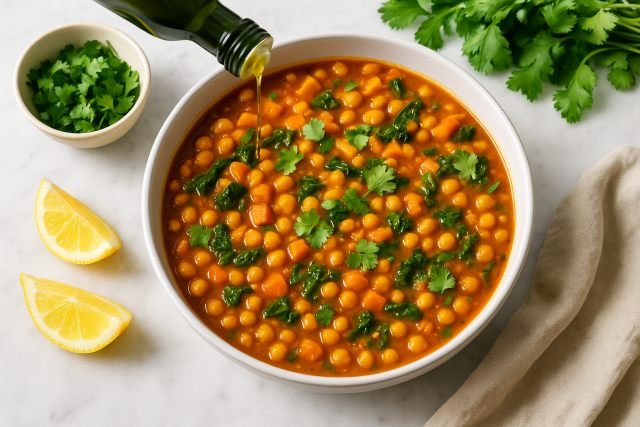

Few recipes have taken the internet by storm quite like Alison Roman The Stew — the bright, turmeric-infused chickpea stew officially titled Spiced Chickpea Stew With Coconut and Turmeric. What began as a simple New York Times recipe in 2018 quickly evolved into a cultural phenomenon, dominating Instagram feeds, inspiring think pieces, and earning its own affectionate nickname: “The Stew.”
We’ll explore the full story behind the dish, why it became a viral sensation, what makes its flavor profile unique, and how it developed a cult-like following that persists today. We’ll also look at common questions, expert cooking tips, and what this recipe’s rise says about modern food culture.
Why Did “Alison Roman The Stew” Go Viral?
The overnight success of Alison Roman The Stew didn’t happen by accident. Several influential factors aligned at the perfect time:
1. Visual Appeal Designed for Social Media
Bright turmeric, deep greens, and creamy coconut broth created a naturally photogenic recipe — ideal for Instagram’s food-loving audience.
This visual distinctiveness helped it spread rapidly as users posted their own versions.
2. Comfort Food Meets Healthy Eating Trends
In the late 2010s, food trends revolved around:
- Plant-based eating
- Comfort meals
- Quick weeknight dinners
- Minimal, pantry-friendly ingredients
The Stew delivered on all fronts.
3. Accessibility for Home Cooks
It was:
- Vegan (or nearly vegan)
- Affordable
- Beginner-friendly
- Customizable (spinach, kale, parsley, etc.)
Busy professionals and new cooks embraced it.
4. The Rise of Alison Roman Herself
Alison Roman — then a rising star thanks to her “nothing fancy” ethos — brought:
- A conversational tone
- Relatable cooking style
- An authenticity that resonated with millennial cooks
Her personality helped build trust, making fans eager to try her signature recipes.
What Exactly Is “The Stew”? (Recipe Breakdown)
Though variations abound, the core components of Alison Roman The Stew include:
| Ingredient | Purpose |
|---|---|
| Chickpeas | Protein, hearty texture |
| Turmeric | Golden color, earthy flavor |
| Coconut Milk | Creamy richness |
| Garlic, Ginger, Onions | Aromatics and depth |
| Greens (Spinach/Kale) | Nutritional boost |
| Red Pepper Flakes | Subtle heat |
| Crispy Chickpeas on Top | Crunch and contrast |
This blend of creamy, crunchy, and spicy elements created a layered dish that tasted more complex than its ingredient list suggested.
How “Alison Roman The Stew” Got Its Cult Following
A Perfect Storm of Cultural Timing
The recipe’s release coincided with:
- Growing interest in home cooking
- Peak food media influence
- A shift toward cozy, shareable dishes
- Increasing popularity of vegetarian eating
Right place. Right time. Right recipe.
The Stew Became a Social Identity
Making The Stew felt like joining an online club.
People posted:
- Batch cooking videos
- First attempts
- Variations (e.g., more turmeric, more greens, extra chili)
It wasn’t just a recipe — it was a moment.
Media Coverage Amplified the Trend
Major outlets highlighted the recipe’s unexpected virality, including:
- The New York Times Food
- Bon Appétit
- Eater
This created a positive feedback loop: more coverage → more people cooking → more posts → even more coverage.
Frequently Asked Questions About Alison Roman The Stew (Featured Snippet-Ready)
What is “Alison Roman The Stew”?
It’s a viral New York Times recipe — Spiced Chickpea Stew With Coconut and Turmeric—created by cookbook author Alison Roman.
Why is it called “The Stew”?
The dish gained so much popularity that readers affectionately shortened its name. “The Stew” became easier to recognize and share on social media.
Is The Stew vegan?
Yes — if you use vegetable broth and avoid yogurt garnishes. The original recipe is naturally plant-based.
Can you freeze The Stew?
Absolutely. It freezes extremely well due to its chickpea and coconut milk base. Avoid freezing greens separately if you prefer fresher texture.
Can you customize The Stew?
Yes. Popular add-ins include:
- Sweet potatoes
- Roasted cauliflower
- Cilantro
- Lemon juice
- Extra kale
Customization contributed to its viral spread.
A Deeper Look: Why People Connect Emotionally With The Stew
1. It Feels Nostalgic Without Being Traditional
Even though it’s not tied to a specific culture’s heritage, the dish feels familiar — warm, comforting, and reminiscent of cozy homemade meals.
2. It’s Failure-Proof
The recipe’s simplicity offers confidence, especially to new cooks. One-pot meals remove the intimidation factor.
3. It Became a Community Experience
Thousands of people were cooking the same thing at the same time — similar to trending Netflix shows, but for food.
4. Affordable Ingredients in an Expensive Era
As grocery prices climbed, a $10 pot of stew feeding 4–6 people felt like a win.
The Stew in the Context of Food Trends
Plant-Based Eating
Around the time of the recipe’s rise, vegan and vegetarian cooking surged. Google Trends showed consistent growth for “plant-based recipes,” aligning perfectly with the stew’s release.
Global Flavor Influences
While not belonging to a single culinary tradition, the dish reflects:
- Southeast Asian coconut-based soups
- Middle Eastern chickpea dishes
- Global turmeric usage
This blend made it both approachable and exciting.
The Power of Recipe Minimalism
Roman’s style — big flavors, few ingredients — matched the trend toward minimalist cooking popularized by:
- Samin Nosrat
- Melissa Clark
- Yotam Ottolenghi (in some cases)
Cooking Tips to Make “Alison Roman The Stew” Even Better
1. Bloom the spices longer
Let turmeric and red pepper flakes toast in oil for 2–3 minutes to deepen flavor.
2. Crisp your chickpeas separately
This step elevates the texture and makes your stew look restaurant-quality.
3. Use full-fat coconut milk
Light coconut milk contains more water and dilutes flavor.
4. Finish with acid
A squeeze of lemon or lime brightens the dish dramatically.
5. Garnish generously
Try:
- Fresh herbs
- Toasted nuts
- Chili oil
- Greek yogurt (if not vegan)
How The Stew Changed Alison Roman’s Career
The recipe contributed significantly to Roman’s rise from food writer to culinary personality.
After its success:
- Her cookbooks saw increased sales
- She gained massive social media traction
- She developed a signature style: bold flavors + pantry staples
It’s common for chefs to be known for a single dish — Julia Child’s boeuf bourguignon, Ina Garten’s roast chicken—but few modern recipes replicate the all-consuming virality of Alison Roman The Stew.
Cultural Conversations & Criticism
As the recipe spread, it sparked conversations about:
- Recipe credit
- Cultural influence
- Representation in food media
Some debates questioned how global flavors were being interpreted in Western mainstream cooking. While opinions varied, the conversations reflect a broader need for nuanced dialogue in the food world.
Conclusion: Why Alison Roman The Stew Still Matters Today
More than just another soup recipe, Alison Roman The Stew represents a cultural moment in online food history. Its viral success was fueled by a blend of visual beauty, accessible ingredients, and the communal nature of cooking in the digital age. It continues to be made, shared, reinvented, and celebrated — not because it’s trendy, but because it delivers comfort, flavor, and joy in a single bowl.
Whether you’re discovering it for the first time or revisiting a beloved favorite, The Stew remains a testament to the power of simple cooking and shared culinary experiences.















Leave a comment