


Understanding “Active Under Contract” in Real Estate
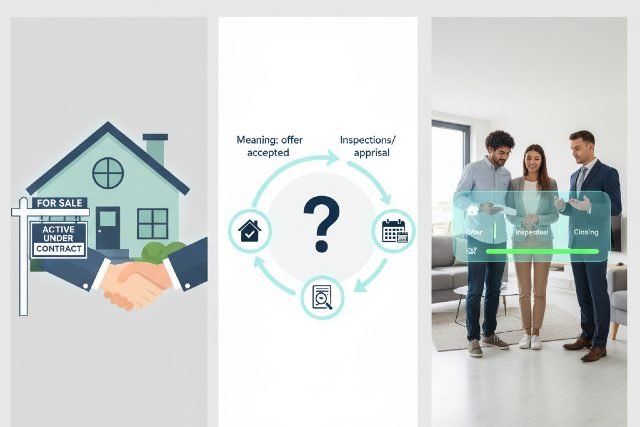
If you’re browsing homes online, you’ve likely come across listings marked as “Active Under Contract.” But what does active under contract mean, exactly?
In simple terms, this real estate status indicates that a seller has accepted an offer from a buyer, but the deal isn’t finalized yet. The property is still technically active because the sale depends on certain contingencies — like inspections, financing, or appraisal results.
Understanding this status helps buyers and sellers navigate the process confidently and avoid costly misunderstandings. Let’s break down what active under contract really means, how it affects both sides, and what steps you can take next.
What Does “Active Under Contract” Mean? (Simple Definition)
In real estate, “active under contract” refers to a home that has received an accepted offer, but the sale isn’t yet complete. The seller has agreed to terms with one buyer, yet the property remains listed as active on the Multiple Listing Service (MLS).
Here’s the key point:
The home is under contract, but still active because certain conditions or contingencies must be satisfied before the sale closes.
Common Contingencies That Keep a Listing Active
When a home is under contract, there are often conditions — called contingencies — that must be met before closing. During this time, the home remains in the “active under contract” status.
Here are the most common contingencies:
| Contingency Type | What It Means | Typical Timeframe |
|---|---|---|
| Home Inspection | Buyer reviews property condition | 5–10 days |
| Appraisal | Lender confirms home’s value matches offer | 7–14 days |
| Financing | Buyer secures a mortgage loan | 30–45 days |
| Home Sale | Buyer must sell their current home first | Variable |
| Title Review | Ensures seller has legal ownership | 7–14 days |
Once these contingencies are fulfilled, the property status changes to “pending” — meaning it’s no longer active.
Active Under Contract vs. Pending: What’s the Difference?
Although they sound similar, active under contract and pending represent different stages of the real estate transaction.
| Feature | Active Under Contract | Pending |
|---|---|---|
| Offer Accepted? | Yes  | Yes |
| Contingencies Outstanding? | Yes – waiting for approval | No – all met |
| Still Accepting Backup Offers? | Often yes | Usually no |
| Can Buyer Withdraw? | Yes, under certain conditions | Very limited |
| Public Listing Status | Active | Off-market or sold soon |
In short:
- Active under contract = in progress, but not final.
- Pending = nearly complete, waiting for closing.
Why Do Agents Use the “Active Under Contract” Status?
Real estate agents use this MLS designation to provide transparency about the transaction stage.
For Sellers
- Keeps the listing visible to attract backup offers.
- Provides leverage in case the first deal falls through.
- Maintains interest in the property while under review.
For Buyers
- Clarifies that an offer exists but you can still submit a backup.
- Signals that the home might become available again.
- Helps manage expectations during property searches.
Can You Still Make an Offer on an Active Under Contract Home?
Yes, you can — but with limitations.
When a home is active under contract, sellers can often accept backup offers. These secondary offers only move forward if the current deal collapses due to unmet contingencies.
Tips for Buyers:
- Ask your agent if the seller is open to backups.
- Submit a backup offer with terms ready to activate if the primary contract fails.
- Stay patient. Many deals do fall through — especially due to financing or inspection issues.
 According to the National Association of Realtors (NAR), roughly 4–5% of pending home sales fall through before closing.
Why Deals Fall Through During “Active Under Contract”
Even though a contract exists, deals can unravel for several reasons:
- Inspection problems (major structural or safety issues).
- Appraisal gaps, where the home’s value is lower than the offer.
- Buyer financing failures, such as loan rejections.
- Title or ownership issues discovered late in the process.
- Buyer’s remorse or changing circumstances.
When this happens, the property may return to “active” status — giving new buyers a chance.
For Sellers: How to Handle the Active Under Contract Phase
1. Stay in Communication
Work closely with your real estate agent to monitor contingency progress.
2. Keep Accepting Showings (If Allowed)
Some sellers allow showings even while under contract, especially to attract backup offers.
3. Prepare for Possible Delays
Not every sale closes smoothly. Be flexible with timing and requests from the buyer.
4. Maintain Your Property
Keep it clean, staged, and move-in ready — just in case the deal falls through.
For Buyers: How to Approach Active Under Contract Homes
If you see your dream home marked “active under contract,” don’t lose hope.
Here’s what you can do:
- Submit a backup offer. If the deal fails, you’ll be next in line.
- Stay in touch with your agent. They can monitor the listing status.
- Consider similar homes. Keep your options open while waiting.
- Avoid overpaying. Sometimes emotional bidding leads to regrets — stick to your budget.
Real-Life Example: Active Under Contract in Action
Imagine Sarah and Tom make an offer on a home. The seller accepts it, but with contingencies:
- The inspection must be satisfactory.
- Sarah and Tom must finalize their mortgage.
While these steps are pending, the listing status becomes active under contract.
During that time, another buyer, Lisa, loves the home and submits a backup offer.
If Sarah and Tom’s financing falls through, Lisa’s offer becomes primary, and she gets the house.
This scenario shows how active under contract keeps opportunities open for both parties.
Pros and Cons of Buying a Home That’s Active Under Contract
| Pros | Cons |
|---|---|
| Chance to step in if first deal fails | Uncertain outcome |
| Time to research and prepare | You may wait weeks with no result |
| Possible leverage if seller loses first buyer | Emotional rollercoaster |
| Demonstrates strong buyer interest | Risk of overcommitment |
Tip: Always discuss backup strategies with your real estate agent before submitting an offer.
Key Takeaways: What Does Active Under Contract Mean?
- It means a home has an accepted offer, but contingencies remain.
- The property is still active in the MLS system.
- Buyers can submit backup offers, but the primary contract takes precedence.
- If contingencies aren’t met, the listing may revert to active or move to pending once finalized.
Frequently Asked Questions (FAQs)
Q1: Does “active under contract” mean the house is sold?
No. It means the home is under contract but not yet sold — contingencies are pending.
Q2: Can I view a home that’s active under contract?
Yes, but the seller may limit showings to serious buyers or backup offer seekers.
Q3: How long does a home stay active under contract?
Typically 30–60 days, depending on how long contingencies take to clear.
Q4: Should I still make an offer on an active under contract home?
Yes — especially if it’s your dream home. Backup offers are common and can pay off.
Q5: What happens if the primary deal falls through?
The home returns to active status, or a backup offer (if any) moves forward.
Conclusion: The Real Truth About “Active Under Contract”
So, what does active under contract mean in real estate?
Simply put, it’s the middle ground between “available” and “sold.” The seller has accepted an offer, but contingencies like inspections or financing must still be resolved.
For buyers, this status means don’t give up hope — you can still make a backup offer. For sellers, it’s a reminder to stay prepared until every contingency is cleared.














Leave a comment