

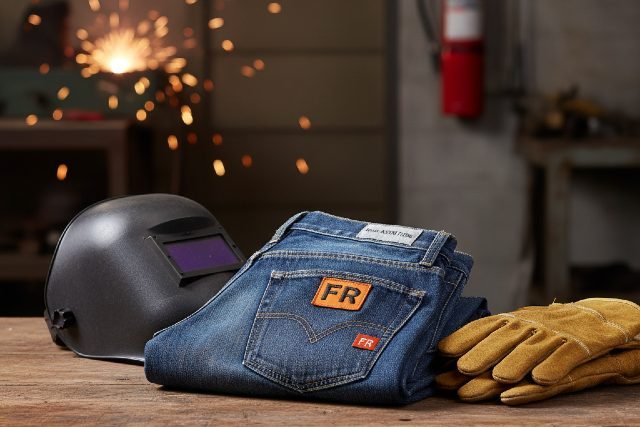

What Are FR Jeans?
FR jeans — short for flame-resistant jeans — are specialized work pants designed to protect wearers from flash fires, electric arcs, and thermal hazards. Unlike regular denim, FR jeans are made from advanced self-extinguishing fibers or treated cotton blends that resist ignition and prevent burns.
If you work in industries like oil and gas, electrical utilities, welding, or manufacturing, FR jeans are not just a comfort choice — they’re a safety requirement. In this article, we’ll explore their benefits, safety standards, fabric technologies, and expert buying tips to help you make an informed purchase.
Understanding FR Jeans and How They Work
FR jeans are engineered to provide a critical layer of protection without compromising comfort or style. Their flame-resistant (FR) properties come from two main manufacturing methods:
1. Inherently Flame-Resistant Fibers
These are made from materials like Nomex®, Kevlar®, or modacrylic, which have built-in flame resistance that never washes out. The FR protection is part of the fiber’s DNA.
2. FR-Treated Cotton
Here, 100% cotton or cotton-blend denim is chemically treated to become flame-resistant. These treatments bond to the fibers, providing a durable shield that resists ignition and self-extinguishes after exposure to flames.
Key Benefits of Wearing FR Jeans
Wearing FR jeans goes beyond compliance — it’s about ensuring personal safety and workplace confidence. Here’s why professionals choose them:
1. Fire and Arc Flash Protection
FR jeans minimize the risk of severe burns by self-extinguishing once the ignition source is removed. This is crucial in electrical and petrochemical environments where flash fires are a risk.
2. Durable Yet Comfortable
Modern FR denim combines strength and flexibility. You’ll find jeans with stretch technology that offer full mobility for climbing, bending, and long shifts.
3. Meets Industry Standards
Certified FR jeans comply with safety benchmarks like:
- NFPA 2112: Standard on Flame-Resistant Garments for Industrial Personnel
- NFPA 70E: Standard for Electrical Safety in the Workplace
- ASTM F1506: Standard for Flame-Resistant Textile Materials
4. Everyday Style
Unlike bulky workwear of the past, today’s FR jeans resemble regular denim — perfect for jobs that transition between office and fieldwork.
FR Jeans Safety Standards Explained
Before buying FR jeans, always verify they meet the appropriate safety certifications. Below is a comparison of key standards:
| Standard | Purpose | Industries |
|---|---|---|
| NFPA 2112 | Tests for flash fire protection | Oil & gas, refinery, chemical |
| NFPA 70E | Focuses on electrical arc protection | Utilities, electrical work |
| ASTM F1506 | Specifies performance for FR fabrics | General industrial use |
Look for visible labels or tags inside the jeans verifying compliance. Some brands also provide arc rating (ATPV) or cal/cm² scores to indicate the level of protection.
Choosing the Right FR Jeans — Buying Tips
Not all FR jeans are created equal. Here’s what to check before purchasing:
1. Fabric Type
- Inherent FR: Long-lasting, low-maintenance, ideal for high-risk jobs.
- FR-Treated: More affordable, good for moderate risk or short-term contracts.
2. Fit and Comfort
Choose a relaxed or stretch fit that allows mobility without excess bulk. Look for reinforced seams and ergonomic designs for comfort.
3. Weight and Breathability
Lighter fabrics (10–12 oz.) work well for hot climates, while heavier (13–15 oz.) denim offers added durability for tough environments.
4. Brand Reputation
Leading FR jeans brands include:
- Bulwark® FR
- Wrangler® Riggs Workwear
- Ariat® FR
- Carhartt® FR
- Lapco® FR
5. Maintenance
Follow care labels strictly. Avoid bleach, softeners, or high-heat drying, as they can damage FR treatments.
Common Myths About FR Jeans
| Myth | Reality |
|---|---|
| “FR jeans are uncomfortable.” | Modern FR fabrics are soft, breathable, and designed for all-day wear. |
| “You can make regular jeans flame-resistant with spray treatments.” | Only certified FR garments tested under NFPA standards ensure true protection. |
| “FR jeans lose protection after washing.” | Inherent FR jeans maintain performance for life; treated ones retain it for 50+ washes if cared for properly. |
Frequently Asked Questions (FAQs)
Q1: Are FR jeans mandatory in all workplaces?
Not all industries require them, but OSHA mandates FR clothing for workers exposed to arc flash or flash fire hazards. Always check your employer’s PPE requirements.
Q2: How long do FR jeans last?
Typically, inherent FR jeans last as long as the garment itself. Treated FR jeans can maintain protection for around 50–100 wash cycles depending on usage and care.
Q3: Can FR jeans be repaired?
Minor repairs are fine if done with FR-rated thread and patches. Never use regular materials, as they can compromise protection.
Q4: What’s the difference between FR and AR jeans?
AR (Arc-Rated) jeans are tested specifically for electrical arc flash protection and always flame-resistant. All AR jeans are FR, but not all FR jeans are AR-rated.
Real-World Example — FR Jeans in Action
In 2023, a refinery worker in Texas reported that FR jeans prevented second-degree burns during a brief flash fire incident. The jeans self-extinguished in under two seconds, allowing the worker to escape with minimal injury. This illustrates why investing in certified FR clothing is vital for workplace safety.
Care and Maintenance Tips for Long-Lasting FR Jeans
- Wash separately using mild detergent.
- Avoid chlorine bleach or fabric softeners.
- Dry on low heat or line dry to prevent fabric damage.
- Inspect seams and labels regularly for wear and tear.
- Replace jeans once FR labels fade or become illegible.
Conclusion: Stay Safe and Comfortable with the Right FR Jeans
When it comes to workplace safety, FR jeans are an essential investment — offering reliable flame resistance, comfort, and compliance with safety standards. Whether you’re a lineman, welder, or refinery technician, the right pair can mean the difference between minor discomfort and life-saving protection.














Leave a comment