

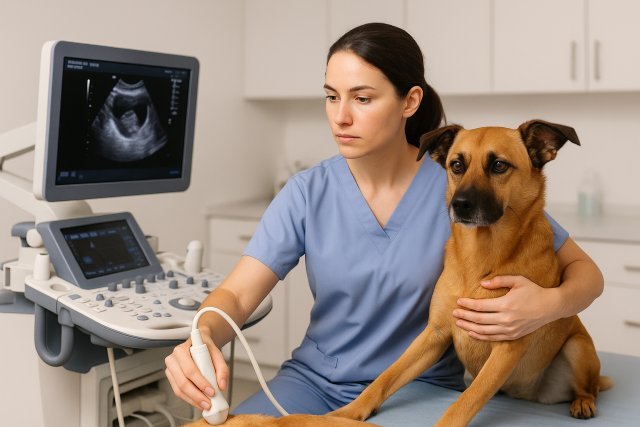

In today’s world of modern veterinary care, pet diagnostic services play a crucial role in maintaining the health and well-being of our furry companions. From blood tests and X-rays to advanced imaging and genetic screening, diagnostic tools allow veterinarians to detect, monitor, and treat conditions before they become life-threatening.
By integrating pet diagnostic services into routine care, vets can provide faster, more accurate diagnoses — ensuring your pet receives the best possible treatment and lives a longer, healthier life.
What Are Pet Diagnostic Services?
Pet diagnostic services encompass a wide range of medical tests and imaging procedures designed to identify diseases, monitor organ function, and detect abnormalities early. These tools help veterinarians see beyond what’s visible during a physical exam.
Common Diagnostic Services in Veterinary Medicine:
- Blood and urine tests: Evaluate organ function, detect infections, and monitor ongoing conditions.
- Digital X-rays: Provide detailed images of bones, joints, and internal organs.
- Ultrasound scans: Offer real-time views of soft tissues, heart, and abdomen.
- CT and MRI scans: Used for advanced imaging of complex conditions like tumors or neurological issues.
- Genetic and DNA testing: Identify breed-specific risks and hereditary diseases.
Each of these diagnostic methods enables early intervention, often improving treatment success rates dramatically.
Why Pet Diagnostic Services Are Essential
1. Early Disease Detection
One of the main advantages of pet diagnostic services is early detection. Many diseases, such as kidney failure, diabetes, or cancer, develop silently. Regular diagnostic testing helps identify issues before visible symptoms appear.
According to the American Veterinary Medical Association (AVMA), early diagnosis significantly improves outcomes for chronic diseases in pets.
2. Accurate and Tailored Treatment Plans
Modern veterinary medicine relies heavily on diagnostics to create personalized treatment plans. Lab tests and imaging help pinpoint the root cause of a pet’s illness, ensuring that treatments are targeted and effective — avoiding unnecessary medication or procedures.
3. Monitoring Chronic Conditions
For pets living with ongoing conditions like arthritis, diabetes, or heart disease, diagnostic monitoring is critical. Regular tests help veterinarians adjust medications and monitor disease progression — enhancing your pet’s comfort and quality of life.
4. Preventive Health and Wellness
Routine diagnostic screenings form the backbone of preventive veterinary care. These services detect early warning signs of potential issues, enabling lifestyle or dietary changes before the disease advances.
Advanced Diagnostic Technologies in Veterinary Care
The field of veterinary diagnostics has evolved rapidly, adopting many of the same technologies used in human medicine.
Key Innovations:
| Technology | Function | Benefit |
|---|---|---|
| Digital Radiography | Captures high-resolution X-ray images | Faster results and lower radiation exposure |
| Ultrasound Imaging | Visualizes internal organs in real time | Non-invasive and painless |
| MRI & CT Scans | Creates 3D images of soft tissue and bone | Precise diagnosis of complex conditions |
| In-house Laboratory Testing | On-site blood and urine analysis | Rapid results during clinic visits |
| Genetic Screening | Detects inherited disorders | Enables preventive care and breeding decisions |
These modern diagnostic tools allow veterinarians to make quick, confident decisions — improving both efficiency and pet health outcomes.
How Pet Diagnostic Services Save Lives
Consider this real-world example:
Case Study: A 7-year-old Golden Retriever presented with mild lethargy. Routine blood work revealed early-stage kidney disease — long before any physical symptoms appeared. Immediate dietary adjustments and medication prevented further deterioration, giving the dog several more healthy years.
This is a powerful reminder that diagnostic testing isn’t just reactive — it’s life-saving.
Common Questions About Pet Diagnostic Services
How often should my pet undergo diagnostic testing?
For healthy adult pets, veterinarians recommend annual screenings. Senior pets or those with chronic conditions may require testing every 3–6 months.
Are diagnostic tests painful for pets?
Most tests, such as blood draws or ultrasounds, cause minimal discomfort. Imaging procedures like X-rays and MRIs are non-invasive.
Are these services expensive?
Costs vary depending on the type of test and location, but preventive diagnostics often reduce long-term expenses by avoiding emergency treatments later.
The Role of Pet Owners in Diagnostic Care
Pet owners are essential partners in their pet’s health journey.
You can support effective diagnostics by:
- Scheduling annual wellness exams.
- Reporting unusual behaviors or appetite changes early.
- Following through on recommended tests and imaging.
- Keeping track of your pet’s medical records and test results.
When pet owners and veterinarians work together, diagnostic services become a powerful tool for proactive, holistic care.
Integrating Diagnostic Services Into Routine Vet Visits
Veterinary clinics are increasingly offering in-house laboratories and digital imaging systems, making diagnostics faster and more convenient. During routine visits, your vet may suggest:
- Blood panels to assess organ health.
- Urinalysis for kidney and urinary tract screening.
- X-rays or ultrasounds for pets with ongoing pain or organ-related symptoms.
These routine diagnostics not only ensure early detection but also give a complete picture of your pet’s overall health.
Conclusion
In an age of advanced medical technology, pet diagnostic services have become the cornerstone of modern veterinary care. They enable early disease detection, accurate treatment planning, and ongoing monitoring — ultimately extending your pet’s life and improving their quality of life.
Whether through routine checkups, advanced imaging, or specialized testing, investing in pet diagnostic services is one of the most responsible decisions a pet owner can make.
















Leave a comment