

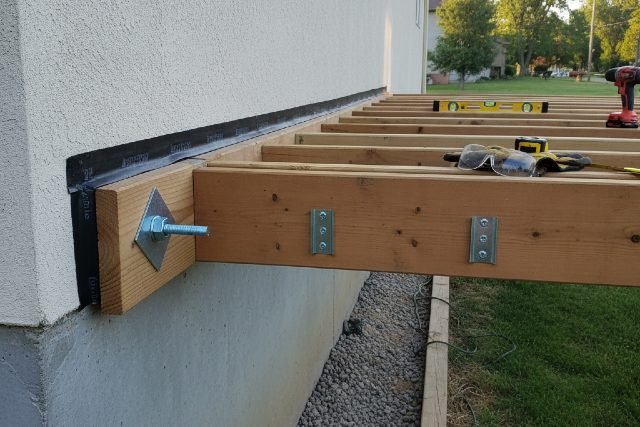

What Is a Ledger Board?
A ledger board is a critical structural component in deck construction. It’s a horizontal piece of lumber, typically attached to a house’s rim joist, that provides foundational support for the deck’s framing. Without a properly installed ledger board, your deck could be unsafe or fail under pressure.
In simple terms, the ledger board acts as the bridge between your house and your deck — literally anchoring one to the other. Because it bears a significant portion of the deck’s weight, correct installation and flashing are vital to prevent rot, separation, or collapse.
Purpose of a Ledger Board
The purpose of a ledger board goes beyond just support — it ensures stability, alignment, and safety in deck structures. Here’s how it functions:
- Structural Support: It transfers the deck’s load to the house framing.
- Alignment Anchor: Helps maintain deck alignment during framing.
- Safety Component: Prevents deck movement, ensuring stability under heavy use.
- Moisture Barrier (with Flashing): When flashed correctly, it prevents water intrusion into the home’s structure.
Example: If you’re building a 12×16-foot deck, the ledger board carries half the deck’s weight while the outer beam and posts support the rest.
Choosing the Right Ledger Board Material
When selecting materials, choose high-quality, pressure-treated lumber that resists decay and insects. Common choices include:
| Material Type | Pros | Best For |
|---|---|---|
| Pressure-treated pine | Affordable, durable | Most residential decks |
| Cedar | Naturally rot-resistant | Decorative or exposed decks |
| Composite lumber | Low maintenance | Modern, eco-friendly builds |
Pro Tip: Match the ledger board’s material with your deck joists to ensure consistent expansion, contraction, and longevity.
How to Install a Ledger Board (Step-by-Step Guide)
Tools & Materials Needed
- Ledger board (2×8, 2×10, or 2×12 lumber)
- Lag screws or structural bolts
- Drill and bits
- Level and chalk line
- Flashing tape and metal flashing
- Joist hangers
- Safety gear (gloves, eye protection)
Step 1: Determine Placement
Measure and mark where the ledger board will attach to the house. Use a chalk line to ensure it’s level. The top edge should align with the deck’s finished floor height minus the thickness of the decking boards.
Step 2: Prepare the Wall
Remove siding or trim where the board will attach. Always mount the ledger board directly to solid framing, not over siding or sheathing. Check for damage or rot before proceeding.
Step 3: Install Flashing
Apply waterproof flashing behind and over the top of the ledger board. This prevents water from seeping between the house and the deck — a common cause of rot and failure.
Pro Tip: Use self-adhesive flashing tape beneath the ledger, and install L-shaped metal flashing over the top for dual protection.
Step 4: Secure the Ledger Board
Use ½-inch galvanized lag bolts or structural screws to attach the ledger to the rim joist every 12–16 inches. Stagger bolts vertically to avoid splitting.
| Fastener Type | Spacing | Corrosion Resistance |
|---|---|---|
| Lag bolts | 12–16 inches | Hot-dipped galvanized |
| Structural screws | 12 inches | Coated for exterior use |
Step 5: Check for Level and Alignment
Before tightening all bolts, double-check that the ledger is perfectly level. Misalignment here can cause uneven joists and structural stress later.
Step 6: Add Joist Hangers
Attach metal joist hangers along the ledger board for each deck joist. Use the correct nails (not screws) specified by the hanger manufacturer.
Safety Tips for Ledger Board Installation
- Never Attach to Brick or Veneer: Always bolt directly to a structural wall, not brick or stone facades.
- Use Proper Flashing: Water damage from improper flashing is the #1 cause of deck failure.
- Check Building Codes: Most local codes (like IRC R507.9) specify fastener spacing and load requirements.
- Inspect Annually: Check for loose bolts, rusted fasteners, or rot around the ledger area each year.
- Hire a Structural Engineer: For elevated decks or unusual house framing, consult a professional before installation.
Common Ledger Board Mistakes (and How to Avoid Them)
| Mistake | Consequence | Solution |
|---|---|---|
| Attaching over siding | Weak connection | Remove siding and bolt to rim joist |
| Poor flashing | Rot and deck separation | Use layered flashing (tape + metal) |
| Incorrect fasteners | Rust or loosening | Use code-approved galvanized bolts |
| Uneven board | Uneven deck frame | Use a level during installation |
Ledger Board Flashing Best Practices
Flashing is your ledger board’s first line of defense against moisture damage. Follow these guidelines:
- Install flashing tape between the house and the board.
- Use Z-shaped metal flashing above the board to shed water.
- Seal all gaps with high-quality exterior caulk.
- Never rely on caulk alone — it’s not a substitute for proper flashing.
FAQ: Common Questions About Ledger Boards
1. Can I attach a ledger board to a brick house?
No. Brick veneer cannot bear structural loads. You’ll need a free-standing deck design instead.
2. How thick should my ledger board be?
Use a board the same thickness as your deck joists (e.g., 2×10 joists = 2×10 ledger).
3. Do I need a permit for installing a ledger board?
Yes, most municipalities require permits for decks attached to houses.
4. How often should I inspect my ledger board?
Inspect yearly for moisture damage, loose bolts, or corrosion.
Conclusion: Why Proper Ledger Board Installation Matters
A ledger board is the backbone of a safe and durable deck. From its placement to flashing and fastening, every detail counts toward the longevity and safety of your outdoor space. Improper installation is one of the leading causes of deck collapses — but with the right materials, spacing, and maintenance, you can ensure your deck remains secure for decades.
















Leave a comment