

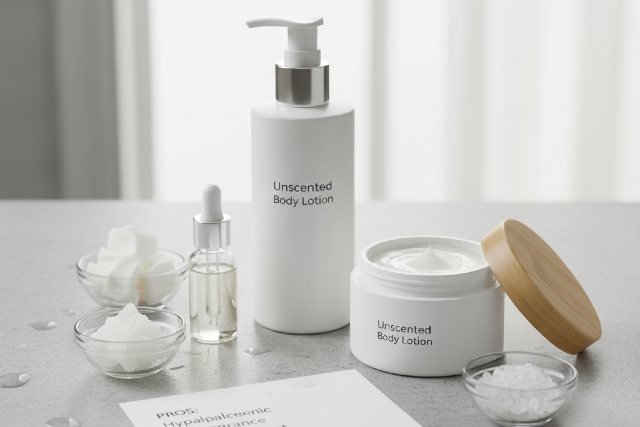

When it comes to gentle skincare, unscented lotion remains one of the most trusted choices for people with sensitive skin, allergies, or fragrance sensitivities. Unlike scented formulas that rely on added perfumes, essential oils, or masking agents, unscented lotion focuses on hydration without unnecessary irritants.
In this comprehensive review, we break down the ingredients, benefits, drawbacks, ideal users, safety profiles, and expert recommendations to help you decide whether unscented lotion deserves a place in your daily routine.
What Is Unscented Lotion?
An unscented lotion is a moisturizer formulated without noticeable fragrance. However, this does not always mean it is fragrance-free. Some brands use neutralizing chemicals to mask natural ingredient odors.
Key Characteristics:
- No detectable scent
- Gentle and minimalistic formula
- Typically marketed for sensitive or reactive skin
- Often recommended by dermatologists
This makes unscented lotions popular for people avoiding strong smells in workplaces, hospitals, or shared environments.
Why Choose Unscented Lotion?
Many choose unscented lotion for health, comfort, or lifestyle reasons.
Major benefits include:
- Reduced risk of irritation for people with fragrance allergies
- Safe for babies and sensitive skin
- Better compatibility with perfume users
- Neutral scent profile for people who dislike fragranced skincare
Statistically, fragrance is one of the top five allergens in cosmetic products, according to the American Academy of Dermatology (AAD) — making fragrance-free and unscented choices increasingly popular.
Ingredient Breakdown: What’s Inside an Unscented Lotion?
Even though unscented lotions avoid added scent, they often use hydrating and soothing ingredients common in gentle skincare.
Here is a breakdown of typical ingredients:
1. Humectants (for moisture attraction)
- Glycerin
- Hyaluronic acid
- Propanediol
2. Emollients (for smoothing skin)
- Shea butter
- Cocoa butter
- Jojoba oil
- Squalane
3. Occlusives (for moisture locking)
- Petrolatum
- Dimethicone
- Beeswax
4. Soothing Additives
- Aloe vera
- Oat extract (colloidal oatmeal)
- Panthenol (Vitamin B5)
5. Preservatives
- Phenoxyethanol
- Sodium benzoate
- Potassium sorbate
Note: “Unscented” may still include ingredients that mask odors. For true sensitivity concerns, look for fragrance-free labeling.
Pros and Cons of Unscented Lotion
To help you understand whether unscented lotion is right for your skin, here’s a clear breakdown:
Pros
1. Ideal for Sensitive Skin
Without perfumes or essential oils, irritation risk is significantly lower.
2. Works Well with Other Products
You can pair unscented lotion with:
- Perfume
- Serums
- Sunscreen
- Medical treatments
3. Family-Friendly
Safe for:
- Babies
- Elderly
- Those with eczema or dermatitis
4. Neutral Experience
Perfect for workplaces where scents may bother coworkers.
Cons
1. Not Always Completely Fragrance-Free
Some brands use masking agents, which may irritate extremely sensitive skin.
2. Can Feel Basic or Plain
People who enjoy scented skincare may find it too simple.
3. Quality Varies Widely
Cheaper lotions may:
- Feel greasy
- Absorb slowly
- Cause breakouts
4. May Lack Luxurious Additives
Many premium ingredients in high-end lotions are paired with fragrance.
Best Skin Types for Unscented Lotion
Unscented lotion is especially beneficial for specific groups.
Ideal For:
- Sensitive skin
- Eczema-prone skin
- Psoriasis
- Rosacea
- Allergy sufferers
- Babies and children
- Post-procedure skin (chemical peels, retinoids, lasers)
Not Ideal For:
- Those seeking aromatherapy benefits
- People with very dry skin needing heavier occlusives (unless formula includes them)
Unscented vs. Fragrance-Free: What’s the Difference?
Many shoppers confuse unscented with fragrance-free, but they are not the same.
| Feature | Unscented | Fragrance-Free |
|---|---|---|
| Detectable smell | None | None |
| Contains masking agents | Sometimes | No |
| Contains added fragrance | No | No |
| Best for | Mild sensitivity | Severe allergies |
| Labeling clarity | Can be unclear | More regulated |
If you have eczema or fragrance allergies, dermatologists recommend choosing fragrance-free over unscented.
Real-World Use Cases: When to Choose Unscented Lotion
1. Workplace Environments
Especially useful in offices with scent-sensitive policies.
2. Hospitals & Medical Settings
Nurses often prefer unscented lotion to avoid overwhelming patients.
3. Baby Care
Gentle enough for:
- Diaper area
- Dry cheeks
- Cradle cap (with emollients)
4. Before Applying Perfume
Fragrance sticks better to moisturized skin — unscented lotion acts as a perfect base.
5. Chronic Skin Conditions
Dermatologists frequently recommend unscented formulas for:
- Eczema
- Rosacea
- Dermatitis
Expert Tips for Choosing a Good Unscented Lotion
Look for “Fragrance-Free” Labeling
This avoids masking agents hidden in “unscented” products.
Prefer Dermatologist-Tested Brands
For example:
- CeraVe
- Eucerin
- Vanicream
- Aveeno
Check for Moisturizing Ingredients
Look for glycerin, ceramides, and hyaluronic acid.
Avoid Alcohol-Based Lotions
High alcohol content can dry out sensitive skin.
Read Customer Reviews
Focus on comments about:
- Absorption speed
- Texture
- Irritation reactions
Common Irritants to Avoid (Even in Unscented Lotions)
Even “gentle” products can include allergens.
Avoid lotions containing:
- Essential oils (natural doesn’t mean safe)
- Fragrance masking agents
- High alcohol levels
- Strong preservatives (like methylisothiazolinone)
- Dyes or colorants
According to the National Eczema Association, unnecessary additives increase irritation risk in sensitive skin.
Frequently Asked Questions (FAQ)
1. Is unscented lotion good for sensitive skin?
Yes. Since it contains no added fragrance, it reduces the risk of rashes and irritation.
2. Does unscented mean fragrance-free?
Not always. Unscented means no noticeable smell, while fragrance-free means no fragrance ingredients at all.
3. Can babies use unscented lotion?
Yes — especially formulas labeled hypoallergenic and pediatrician-approved.
4. Is unscented lotion better than scented lotion?
For people with allergies, eczema, or fragrance sensitivities, unscented lotion is the safer choice.
5. Why does my unscented lotion still smell faintly?
Natural oils and extracts have mild scents even without fragrance additives.
Conclusion: Is Unscented Lotion Worth Using?
If you value gentle skincare and want to avoid irritation, unscented lotion is an excellent choice. With no added fragrance and minimalistic ingredients, it works well for sensitive skin, medical environments, and everyday moisturizing. While it may lack the sensory appeal of scented products, its safety, versatility, and dermatologist-approved formula make it a dependable option for nearly every skin type.
Whether you’re managing eczema, caring for a baby, or simply prefer neutral products, unscented lotion stands out as a reliable, skin-friendly moisturizer.















Leave a comment