

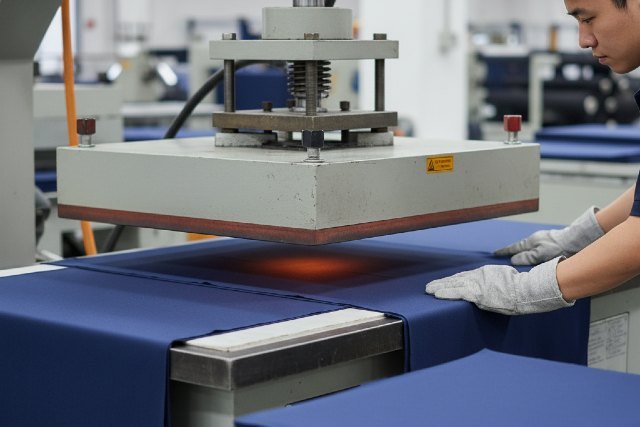

Understanding Heat Fusing
Heat fusing is a precise and reliable method used to join thermoplastic materials — such as polyethylene (PE) or polypropylene (PP) — without the need for adhesives or mechanical fasteners. Instead, it relies on controlled heat and pressure to create a seamless, leak-proof bond between two surfaces.
In industries like plumbing, gas distribution, water management, and construction, heat fusing has become the gold standard for connecting plastic pipes and fittings. This article provides an in-depth look at the heat fusing process, its benefits, applications, and why it’s considered one of the most effective joining techniques today.
What Is Heat Fusing?
At its core, heat fusing (also known as heat fusion welding) is a thermoplastic joining process that involves heating two polymer surfaces until they reach a molten state. Once softened, the materials are pressed together, allowing their molecular structures to intermingle and form a single continuous piece when cooled.
Key Principle:
Heat + Pressure + Cooling = Permanent Molecular Bond
This process eliminates the need for glues, clamps, or mechanical joints — resulting in a stronger and longer-lasting connection than traditional joining methods.
The Heat Fusing Process: Step-by-Step
Understanding the process of heat fusing helps ensure safety, consistency, and optimal joint integrity. Below is a breakdown of the standard stages:
1. Preparation
- Clean and inspect the pipe or fitting ends.
- Ensure surfaces are free of dirt, grease, or oxidation.
- Align both components in a fusion machine.
2. Heating
- Use a fusion heater plate set to the recommended temperature (typically 400–450°F / 200–230°C, depending on the material).
- Heat the ends until a visible bead of molten plastic forms.
3. Fusing
- Quickly remove the heater plate and press the molten ends together.
- Apply consistent pressure to create a uniform bead.
4. Cooling
- Allow the joint to cool naturally (no water or forced air).
- Once solidified, the fused joint is as strong as or stronger than the pipe itself.
Pro Tip: Always refer to the manufacturer’s fusion parameters for temperature, pressure, and heating time to ensure compliance and durability.
Types of Heat Fusing Techniques
There are several methods of heat fusing, each suited to specific materials and applications:
| Method | Description | Best For |
|---|---|---|
| Butt Fusion | Heats and fuses pipe ends directly together. | Large-diameter PE pipes |
| Socket Fusion | Uses a heated tool to melt the outer and inner surfaces of fittings. | Smaller pipes and fittings |
| Electrofusion | Employs embedded electrical coils to heat and fuse components. | Tight spaces, complex assemblies |
| Saddle Fusion | Attaches branch connections onto main pipes. | Service connections and taps |
Each technique ensures a molecular-level bond, creating joints that resist corrosion, leaks, and separation under pressure.
Benefits of Heat Fusing
The advantages of heat fusing make it the preferred choice across multiple industries:
1. Leak-Proof Joints
Because heat fusing creates a homogenous connection, there are no weak points or potential leaks.
2. Corrosion Resistance
Unlike metal fittings, heat-fused joints resist rust, chemical corrosion, and UV degradation.
3. Cost Efficiency
Reduced maintenance, fewer fittings, and lower installation times lead to long-term cost savings.
4. Durability
Fusion joints can last 50+ years under normal operating conditions.
5. Environmental Sustainability
No solvents, adhesives, or toxic fumes are involved — making it an eco-friendly bonding method.
Common Applications of Heat Fusing
Heat fusing is widely used in sectors where strength, reliability, and safety are critical.
Industries that Depend on Heat Fusing:
- Water and gas distribution networks
- Sewage and wastewater systems
- Mining and chemical transport
- Industrial piping and process systems
- Irrigation and agricultural lines
Real-World Example:
In municipal water systems, butt fusion joints are used to connect high-density polyethylene (HDPE) pipes. These pipes can withstand significant ground movement and pressure fluctuations—unlike glued PVC pipes, which can weaken over time.
Heat Fusing vs. Other Joining Methods
| Method | Bond Strength | Chemical Use | Leak Resistance | Durability |
|---|---|---|---|---|
| Heat Fusing | Excellent | None | Leak-proof | 50+ years |
| Adhesive Bonding | Moderate | High | Moderate | 5–10 years |
| Mechanical Couplings | Fair | None | Variable | 10–20 years |
| Solvent Welding | Moderate | High | Moderate | 10–15 years |
This table clearly shows that heat fusing provides superior performance with minimal maintenance.
Safety Tips for Heat Fusing
Working with heat fusion equipment requires careful safety practices:
- Always wear heat-resistant gloves and face shields.
- Keep the fusion area clean and dry.
- Avoid overheating materials (may cause burn-through).
- Regularly inspect fusion tools for proper temperature calibration.
Expert Insight: Many professional installers follow ASTM F2620 standards for heat fusion joining of polyethylene pipe systems to ensure consistency and compliance.
Frequently Asked Questions (FAQ)
1. Is heat fusing permanent?
Yes. Once cooled, a heat-fused joint becomes one continuous piece of plastic, offering a bond that’s as strong as the original material.
2. Can different plastics be heat fused together?
Generally, only identical or compatible polymers can be fused. For example, PE to PE or PP to PP.
3. How long does the fusion process take?
The full process — from heating to cooling — can take 5 to 20 minutes depending on pipe size and ambient temperature.
4. What equipment is needed?
- Fusion machine or clamp
- Heating plate or electrofusion unit
- Facing tool
- Alignment jig
5. Can heat fusing be done outdoors?
Yes, but temperature and humidity should be monitored closely. Use insulated heaters and protect the joint from direct wind or rain.
Conclusion: Why Heat Fusing Is the Future of Pipe Joining
In summary, heat fusing offers a safe, efficient, and long-lasting way to join thermoplastic pipes and fittings. Its leak-proof durability, chemical resistance, and eco-friendly process make it indispensable for modern infrastructure and industrial systems.
If you’re considering upgrading or installing a piping network, heat fusion technology delivers unmatched performance and reliability — setting the standard for the future of thermoplastic joining.















Leave a comment