

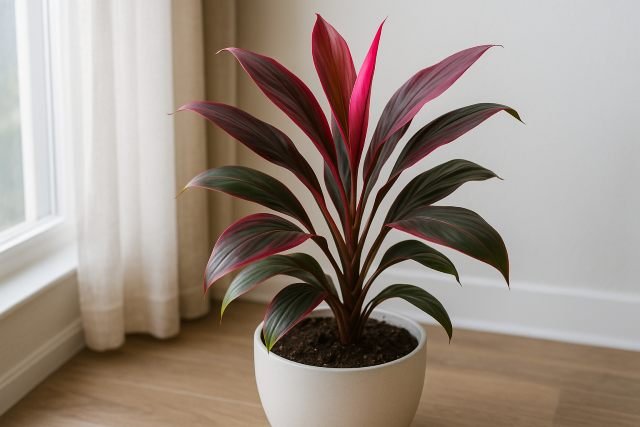

The ti leaf plant (Cordyline fruticosa) is a vibrant tropical houseplant known for its colorful foliage and rich cultural significance in Polynesian traditions. When grown indoors, it can become a stunning centerpiece — provided its unique light, water, and soil needs are met.
In this guide, you’ll learn how to care for a ti leaf plant indoors, including its ideal lighting conditions, watering schedule, soil mixture, humidity preferences, and expert tips for keeping the foliage bright and healthy year-round.
What Is the Ti Leaf Plant?
The ti leaf plant (also called Hawaiian Ti or Good Luck Plant) is a tropical evergreen shrub native to Southeast Asia and the Pacific Islands. Indoors, it is grown mainly for its showy leaves, which come in shades of:
- Deep green
- Burgundy
- Pink
- Red
- Purple
- Variegated patterns
Why Grow Ti Plants Indoors?
- Air-purifying qualities
- Year-round color
- Easy to shape or prune
- Symbolic good luck in Hawaiian culture
Light Requirements for the Ti Leaf Plant
Light is one of the most important factors when growing a ti leaf plant indoors.
How Much Light Does a Ti Plant Need?
The plant thrives in bright, indirect light. Direct sun may burn the leaves, while low light can cause fading or slow growth.
Ideal Lighting Conditions:
- East-facing or north-facing windows
- Several hours of bright but filtered light
- Avoid harsh midday sun
Signs of Light Problems:
| Issue | Cause | Fix |
|---|---|---|
| Pale or washed-out leaves | Too much direct sun | Move to filtered light |
| Slow growth or green-only leaves | Low light | Add grow light |
| Crispy leaf edges | Sunburn | Provide shade |
Grow Light Recommendation
If natural light is insufficient, use a full-spectrum LED grow light positioned 12–18 inches above the plant.
Watering Requirements for the Ti Leaf Plant
Proper watering keeps the ti leaf plant vibrant and prevents leaf browning.
Watering Schedule
- Water when the top 1–2 inches of soil feel dry.
- Maintain lightly moist — but never soggy — soil.
- Use distilled or filtered water when possible.
Why Avoid Tap Water?
Ti plants are sensitive to:
- Fluoride
- Chlorine
- Hard minerals
These can cause brown leaf tips. Using filtered water reduces this risk significantly.
Best Watering Practices:
- Slowly water until liquid drains from the pot
- Empty the saucer to prevent root rot
- Mist the leaves 2–3 times weekly for humidity
Best Soil Mix for the Ti Leaf Plant
The ti leaf plant needs soil that drains well yet holds enough moisture for its tropical roots.
Recommended Soil Mix
A high-quality mix should include:
- 50% potting soil
- 25% perlite
- 25% coco coir or peat moss
This mixture:
- Improves drainage
- Supports root development
- Maintains even moisture
You can also use soil blends labeled for tropicals or dracaena species, as ti plants belong to a similar category.
Soil pH Range
- Ideal pH: 6.0–6.5 (slightly acidic)
Temperature & Humidity Requirements
Ti plants prefer warmth and moisture similar to their native environment.
Temperature Range
- 65–90°F (18–32°C)
Avoid:
- Drafty windows
- A/C vents
- Cold floors
- Sudden temperature drops
Humidity Levels
Ti plants require high humidity, ideally 60–80%.
Ways to Increase Humidity:
- Use a humidifier
- Group plants together
- Place the pot on a pebble tray
- Mist daily (avoid leaf soaking at night)
Fertilizing a Ti Leaf Plant Indoors
Fertilizing supports strong growth and bold color.
Best Fertilizer Type
- Balanced liquid fertilizer (10-10-10 or 20-20-20)
- Slow-release granular fertilizer for tropical plants
Feeding Schedule
- Every 4–6 weeks during spring and summer
- Reduce or stop during winter
Avoid over-fertilizing, which can cause salt buildup or leaf burn.
Common Problems & How to Fix Them
Here are the most frequent indoor ti plant issues and solutions.
1. Brown Leaf Tips
Cause: Fluoride, chlorine, underwatering, or low humidity
Solution: Use filtered water, mist more, increase humidity
2. Yellow Leaves
Cause: Overwatering or poor drainage
Solution: Let soil dry; check for root rot
3. Leaf Loss or Drooping
Cause: Cold temperatures or shock
Solution: Keep above 65°F; avoid drafts
4. Faded Leaf Color
Cause: Insufficient light
Solution: Move plant closer to bright, indirect light
Scientific Note
Research from sources such as the University of Hawaii Cooperative Extension notes that ti plants are particularly sensitive to salt and fluoride — confirming why filtered water is recommended.
How to Repot the Ti Leaf Plant
Repot every 1–2 years or when roots fill the pot.
Repotting Steps:
- Choose a pot 2 inches wider than current.
- Add fresh tropical potting mix.
- Gently loosen roots and remove old soil.
- Replant at the same depth.
- Water thoroughly.
Repotting helps improve soil aeration and nutrient availability.
Propagation Tips for Ti Leaf Plants
You can propagate a ti leaf plant using stem cuttings.
How to Propagate:
- Cut a 4–6 inch section of stem.
- Place cut end into water or moist soil.
- Keep warm and humid.
- New roots appear within 2–4 weeks.
Many growers also propagate ti plants by laying stem sections horizontally in soil.
Frequently Asked Questions
1. Can the ti leaf plant grow in low light?
It can survive, but color will fade. Bright, indirect light is best.
2. Why are the leaves turning brown?
Most often from fluoride in tap water, low humidity, or underwatering.
3. How often should I water a ti leaf plant indoors?
Water when the top 1–2 inches of soil feel dry.
4. Is the ti leaf plant toxic to pets?
Yes — according to the ASPCA, ti plants are toxic to cats and dogs if ingested.
5. Can I grow a ti leaf plant in a bathroom?
Yes! Bathrooms often have perfect humidity.
Conclusion: Is the Ti Leaf Plant Easy to Grow Indoors?
Absolutely. With proper lighting, consistent watering, and the right soil, the ti leaf plant becomes a stunning, low-maintenance tropical houseplant. Its bright foliage adds color to any room, and once you understand its needs — filtered water, warm temperatures, and moderate humidity — it thrives indoors with minimal effort.
If you’re looking for a beautiful, symbolic, and easy-to-maintain indoor plant, the ti leaf plant is an excellent choice for both beginners and experienced plant lovers.















Leave a comment